Useful for your next trip
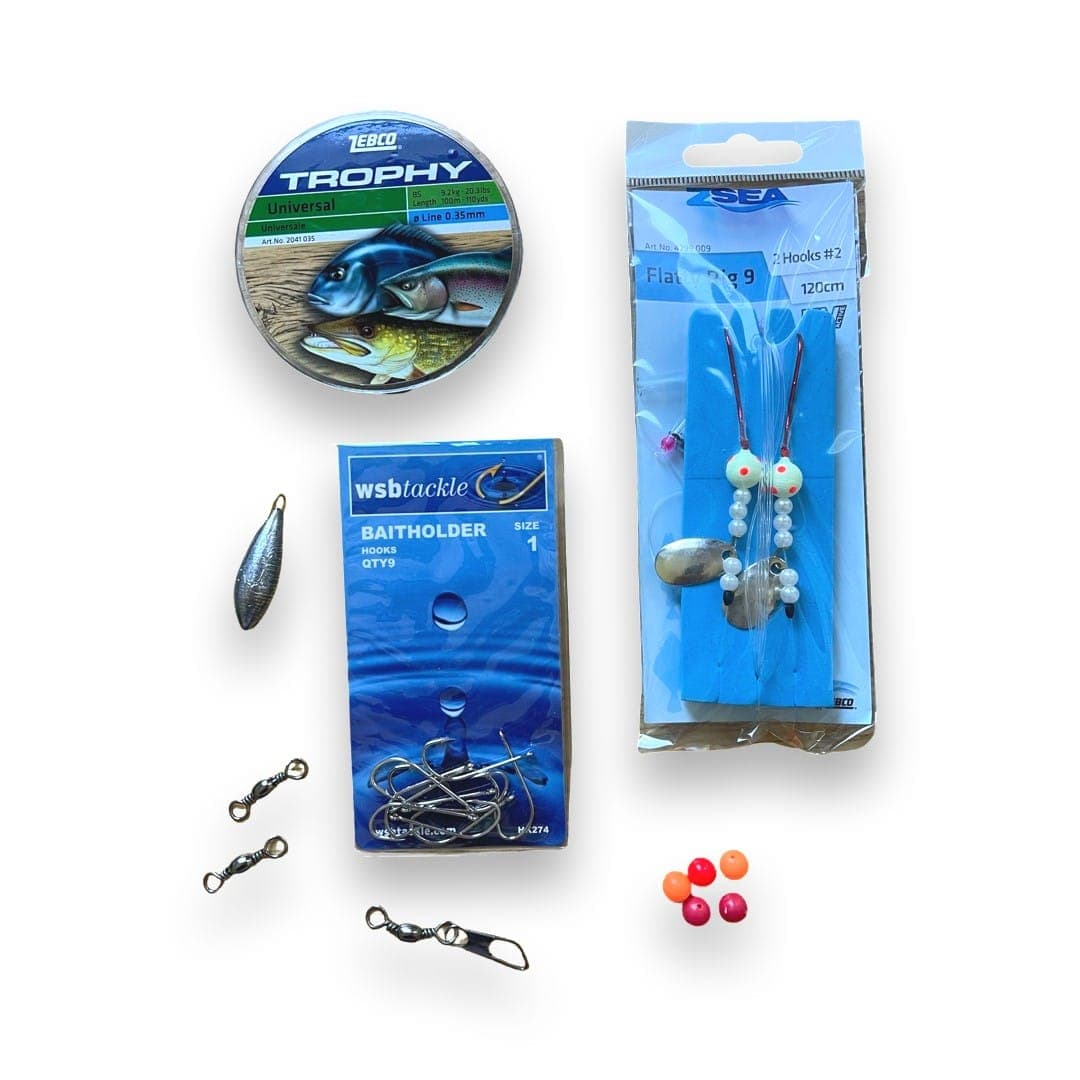
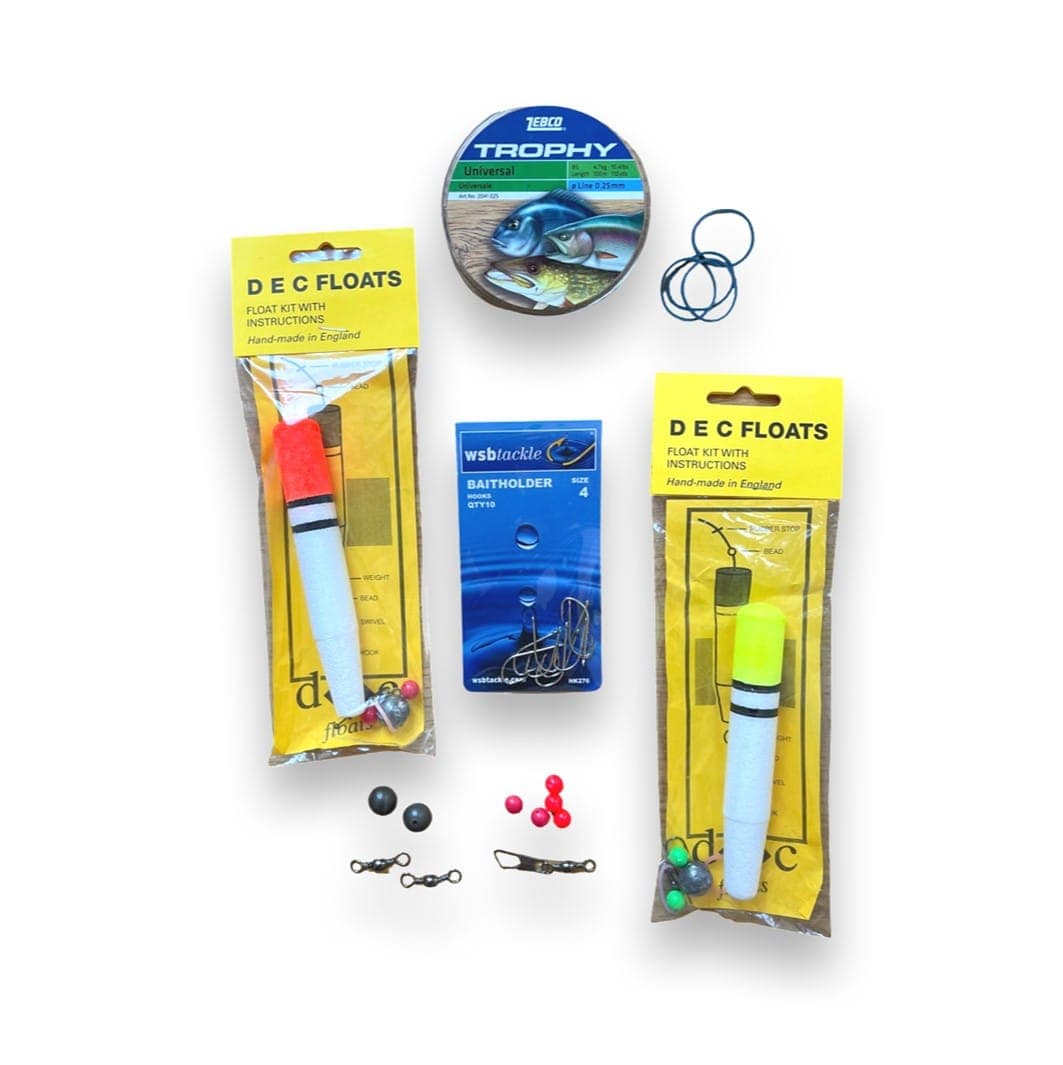
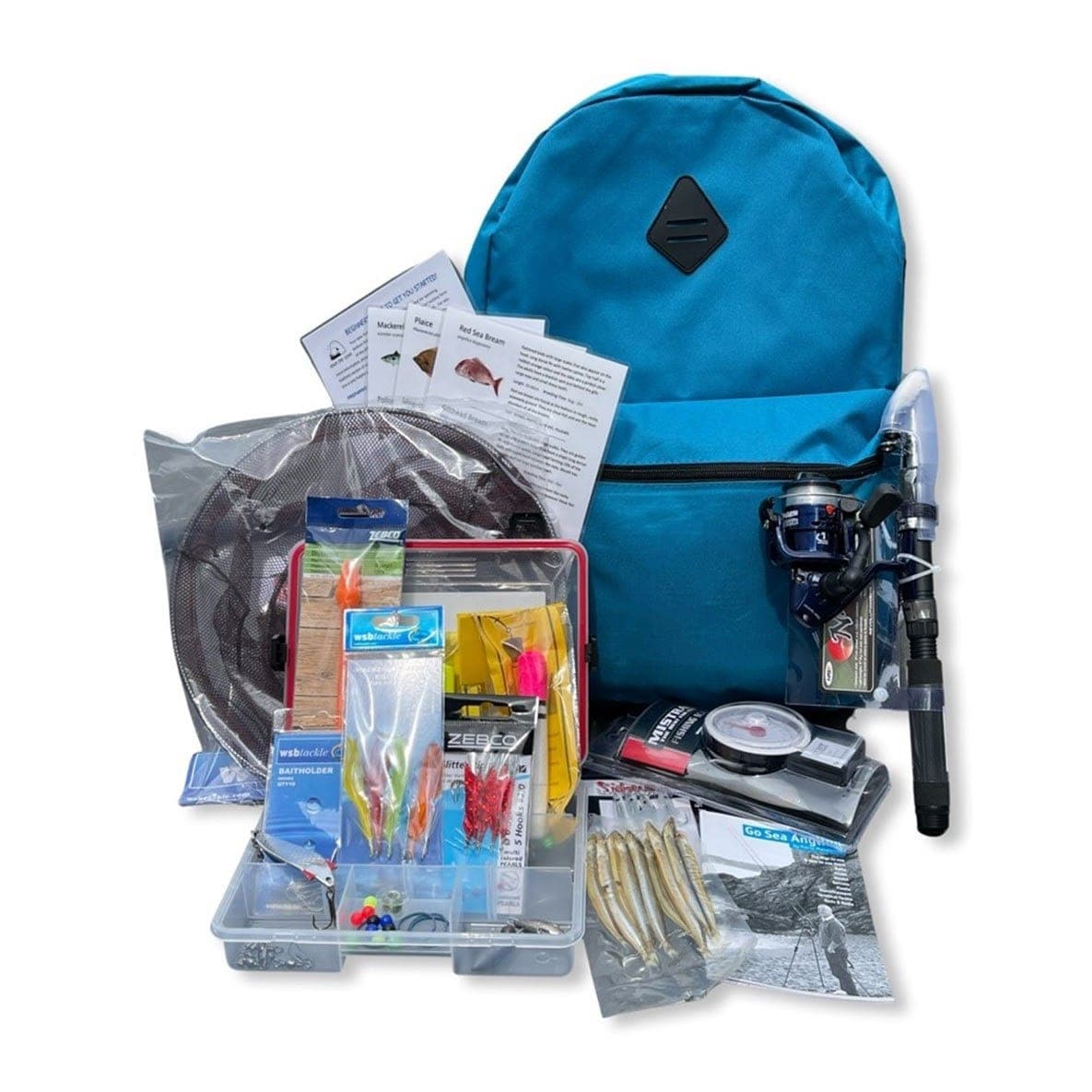
Useful kit connected to this guide, chosen to keep the next step simple.
Full red sea bream guide
How to spot it, where it lives, how it is caught and how to cook it — the complete guide, in one easy read.
Hook a red sea bream over a Cornish reef and you'll feel why anglers rate it. Deep-bodied and copper-flanked, it scraps well above its weight on light tackle and gives up clean, firm fillets at the end of it. It's a fish of broken ground and autumn shoals, not open sand. Here's how to recognise one, where the shoals gather, and how to turn a couple into supper.
How to spot it
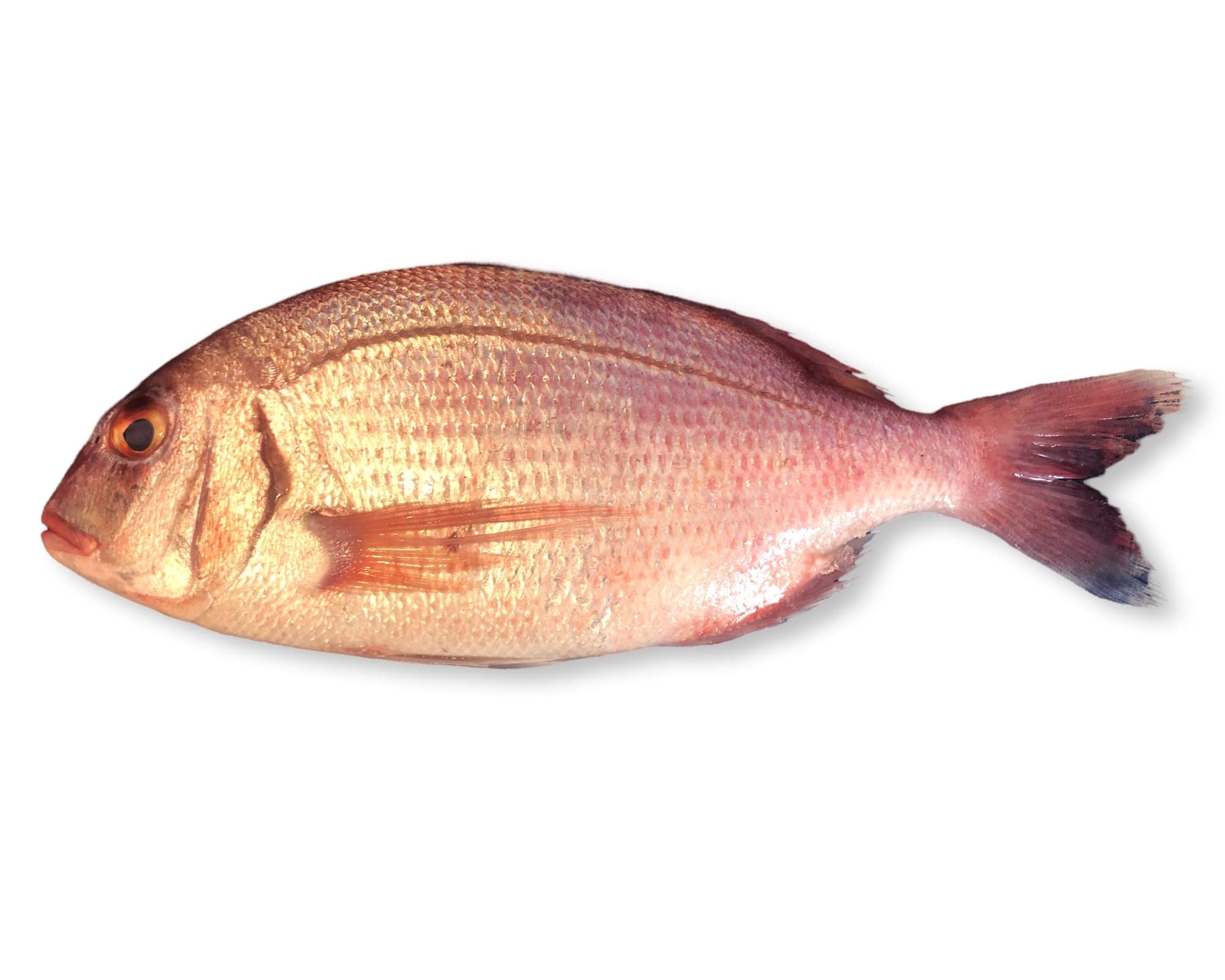
The red sea bream is a striking thing on the end of a line. The body is deep and flattened from side to side, plated with large scales that run right up over the head for an armoured look. The upper half glows a warm reddish-orange, the flanks fade to a pinkish silver, and a blackish smudge sits just behind the gills. A long dorsal fin runs the length of the back on twelve spines, and the face carries large dark eyes above a small mouth set with little sharp teeth. Copper colour, deep body, dark shoulder spot: that combination is hard to confuse with anything else.
Where it lives
Red sea bream want rough, rocky, weedy ground and steer clear of clean open sand. They shoal, so a single fish usually means more nearby, gathered over inshore reefs and along rocky margins where food and cover sit together. Helford and Mevagissey are both noted Cornish spots. The run to mark in the diary is August through to October, when the shoals settle and feed hard over the reefs and your odds of finding a few holding on your chosen mark are at their best.
Catching it
Bream fishing is a sporting business and all the better for it. The classic method is float fishing: a baited hook trotted down through the water so the bait drifts naturally to the shoal holding over rough ground. Keep the tackle light and balanced, both because it matches their size and because it turns a decent fish into a proper scrap. For bait, offer prawn, ragworm, sandeel or mussel, and remember the softer baits tend to get taken first. Fish the inshore reefs and rocky margins through the August-to-October run. Bream are slow-growing and the bigger ones are old, and the wider North-East Atlantic stock is seriously depleted, with scientists advising zero catch, so treat this one with real restraint: take only the occasional fish, return the rest with care, and leave the reef as you found it.
In the kitchen
Red sea bream is a cook's friend, and confident, straightforward cooking flatters it most. The flesh is clean and white, firm enough to hold together however you cook it, so roast, bake, grill or pan-fry to suit your mood. At its usual 25-40cm it's a neat, hand-filling fish that's made for cooking whole. To fillet one, scale it first, cut down behind the pectoral fin to the backbone, then run a sharp knife along the spine from head to tail and lift each fillet away, feeling for pin-bones afterwards. The skin crisps up well, so score it, season with salt and good oil, and give it a hot pan skin-side down until it's golden before a turn and a squeeze of lemon. As food it earns its place too: a lean, high-protein white fish with the omega-3s and minerals you'd expect from a sea bream.
Related guides and gear
FAQs
Quick fish questions
Short answers for the questions families and coastal readers often ask first.
Is red sea bream good to eat?
It certainly is. Red sea bream has clean, white flesh that's firm enough to hold together, and skin that crisps to a snap in a hot pan. It roasts, bakes, grills or pan-fries well, and a hot pan with salt, good oil and a squeeze of lemon is all a fresh fillet really needs.
How do you fillet a red sea bream?
Scale the fish first, as the large scales are tough. Cut down behind the pectoral fin to the backbone, then lay a sharp knife flat against the spine and run it from head to tail, lifting the fillet clear in one piece. Turn the fish and repeat, then feel along the fillet for pin-bones and pull them before cooking.
Is red sea bream nutritious?
Yes. Red sea bream is a lean, high-protein white fish, relatively low in fat, and it provides the omega-3 fatty acids and minerals such as selenium and iodine common to sea fish. Cooked simply with a little oil, it makes a light but satisfying meal.
How do you catch red sea bream?
Float fishing is the classic method: trot a baited hook so it drifts naturally down to shoals holding over rough, rocky ground. Keep the tackle light and balanced, which suits their size and makes for a far better fight. Soft baits like prawn and mussel tend to get taken first.
When is the best time to catch red sea bream?
August through to October is the run worth marking in the diary. That's when the shoals settle and feed hard over the reefs, giving you the strongest chance of finding fish on your chosen mark and enjoying a productive session before they move off into deeper water.