Fresh from the cove

A weever fish sting is one of the most painful things that can happen on a British beach, but the first aid is simple and usually works. Here is what to do straight away, when to get help, and how paddlers, families and anglers can avoid being stung.
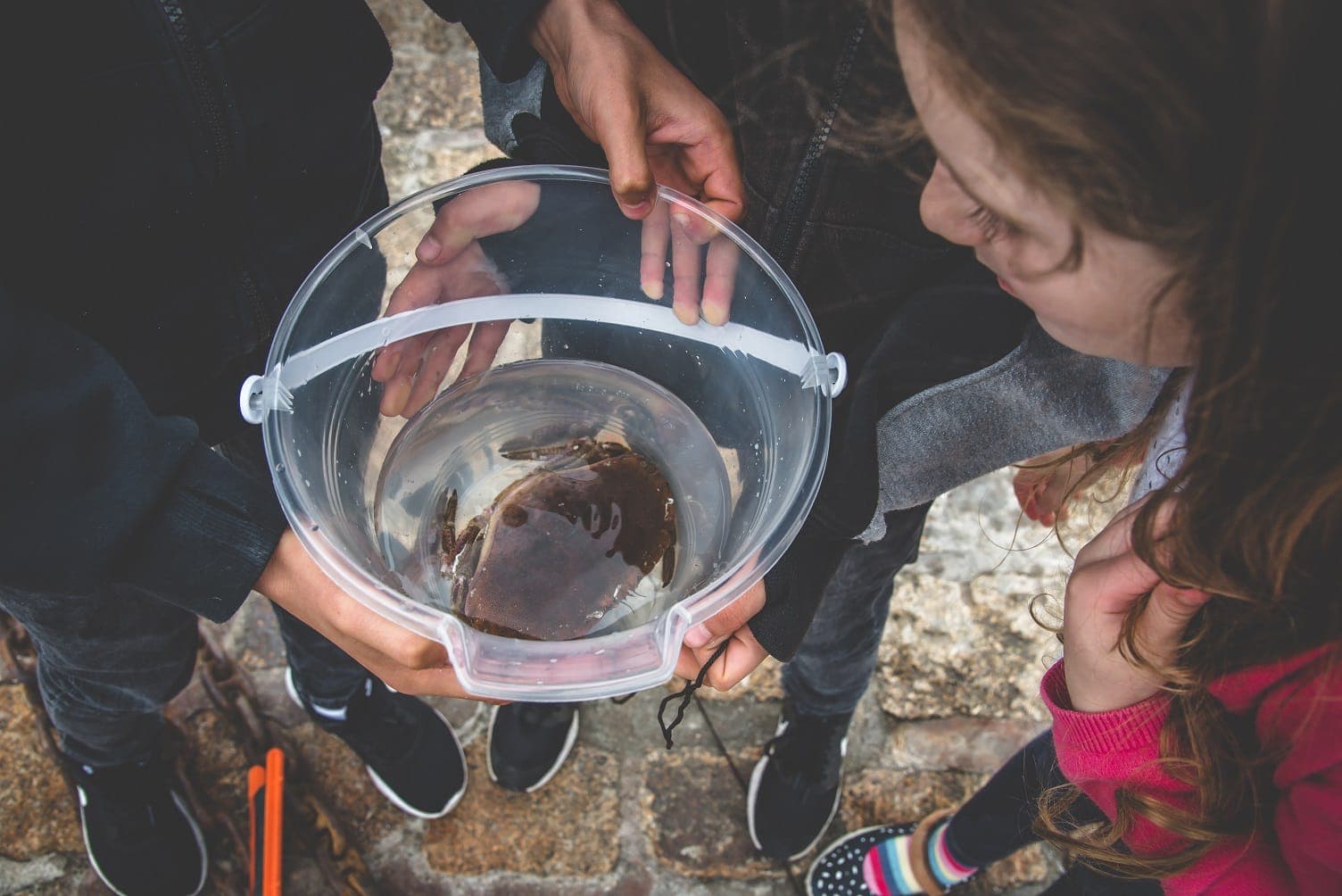
Most crabs you meet on a UK harbour wall or rock pool belong to a handful of species, and each has one or two features that give it away. This guide shows you how to tell them apart, which ones nip hardest, how to sex a crab and which non-native crabs to report.

There is no single best tide for every mark, but on most beaches the first few hours of the flood and the top of the tide fish best. This guide explains why, how it changes on rocks, harbours and estuaries, and how to read a tide table so you arrive at the right time and leave safely.

Mackerel are one of the easiest fish to clean and one of the quickest to spoil. This guide covers chilling your catch, gutting a whole mackerel, filleting it with or without gutting, removing the pin bones, and storing or freezing the fillets.
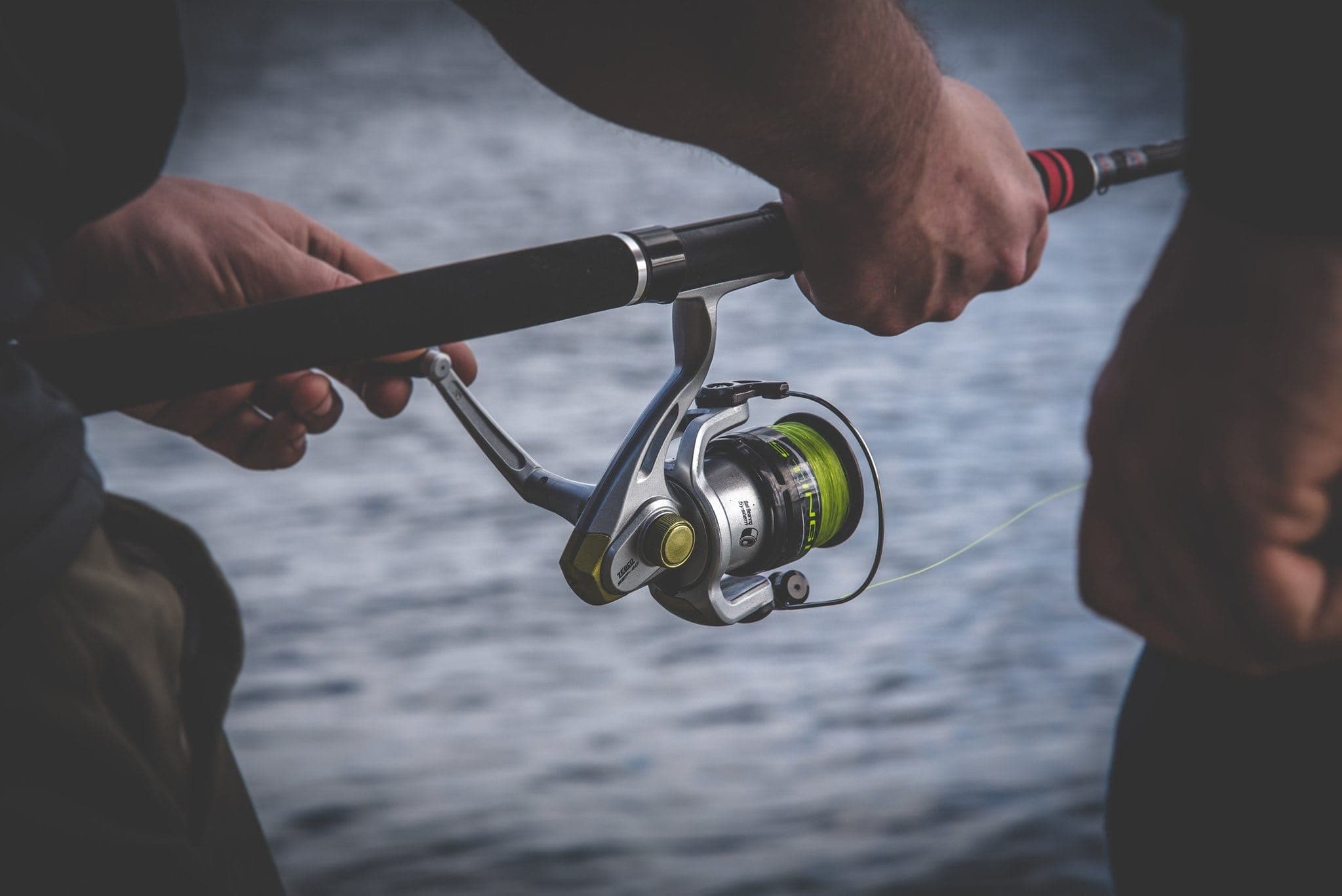
Choosing a first sea fishing rod is easy once you know where you will fish and what weight you will cast. This guide explains beachcasters, bass rods, spinning rods, boat rods and travel rods in plain English, with lengths, casting weights and reel pairings for beginners.
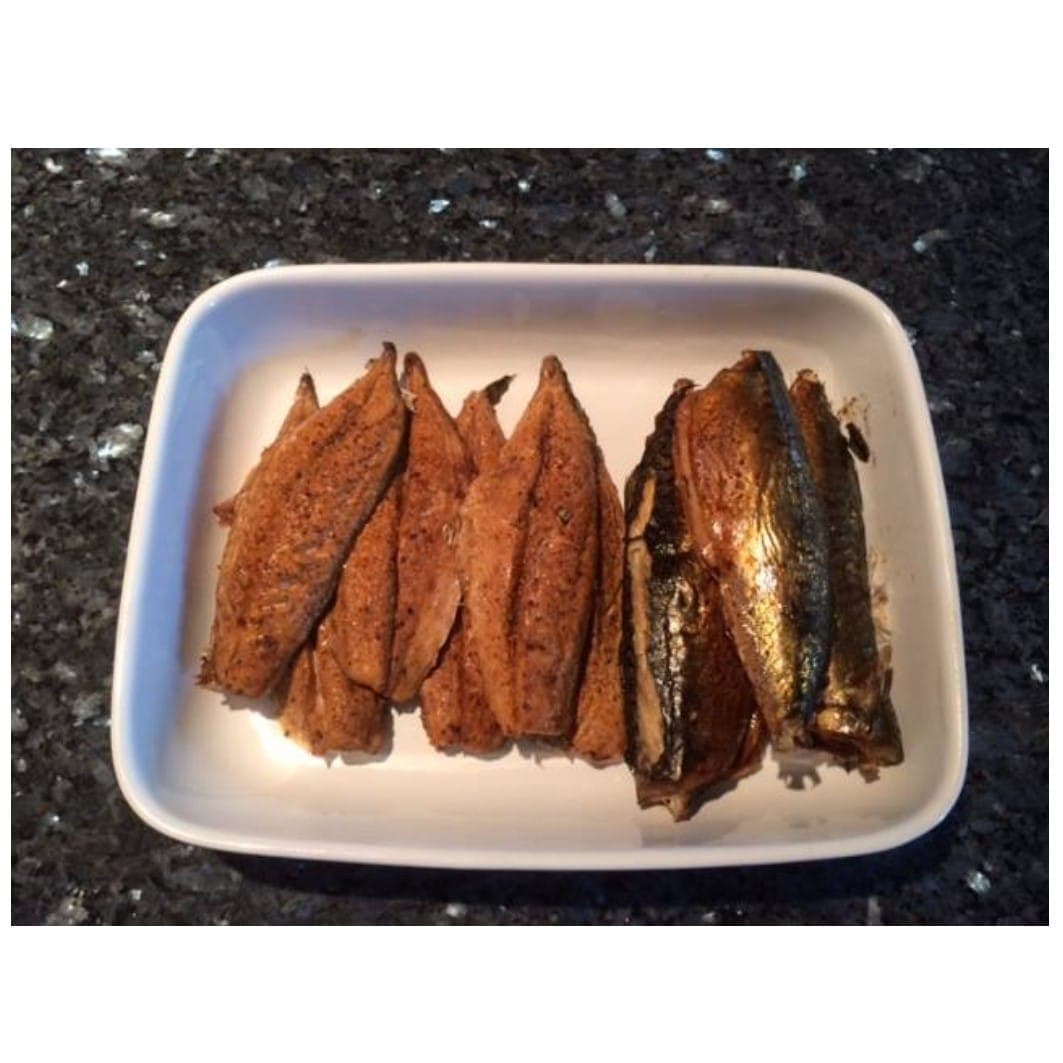
Hot-smoked mackerel is already cooked, good value and full of flavour, so it makes quick work of suppers, lunches and Christmas starters. Here are seven easy ways to use it, from pâté to kedgeree, plus how long it keeps and how to smoke your own.

Crabs and lobsters are traditionally cooked alive because their meat spoils fast after death. But boiling them alive is now widely seen as cruel, and UK guidance is changing. Here is why the habit started, whether a dead crab is safe to eat, and how to kill them more humanely at home.
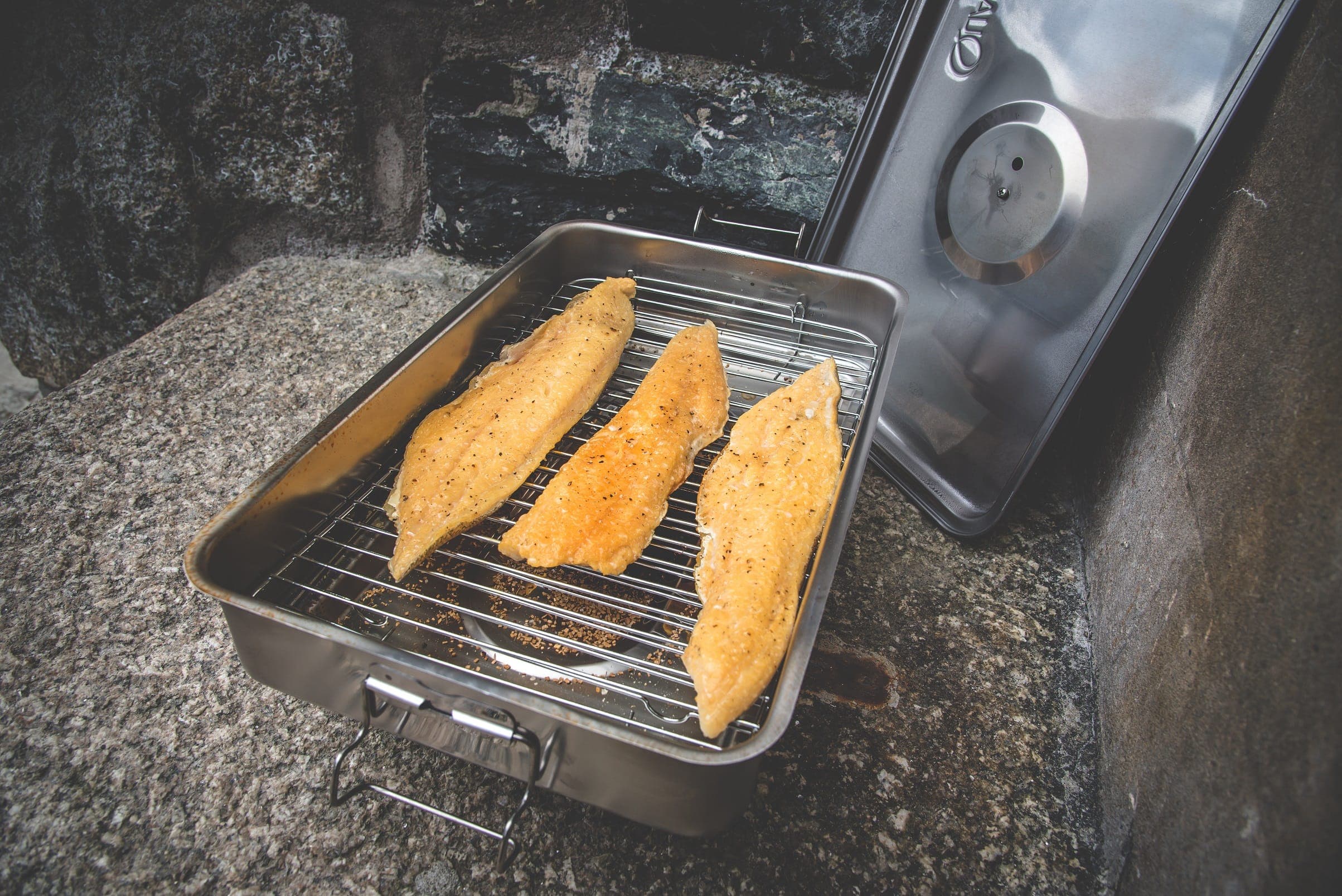
Bright yellow smoked haddock has been dyed: the natural colour of smoked haddock is pale cream to light gold. Here is why it is dyed, how to tell dyed and undyed apart, whether it matters in the kitchen, and how to smoke your own undyed haddock at home.
Far more than fish and bacon. Here is a beginner's list of foods to smoke at home, grouped by type, with whether to hot or cold smoke each one, which woods suit it and how tricky it is.
Bitter, ashy smoked food usually comes from heavy, dirty smoke. This troubleshooting guide covers the common home smoking problems, from generators going out to sweating cheese, with clear fixes for each.
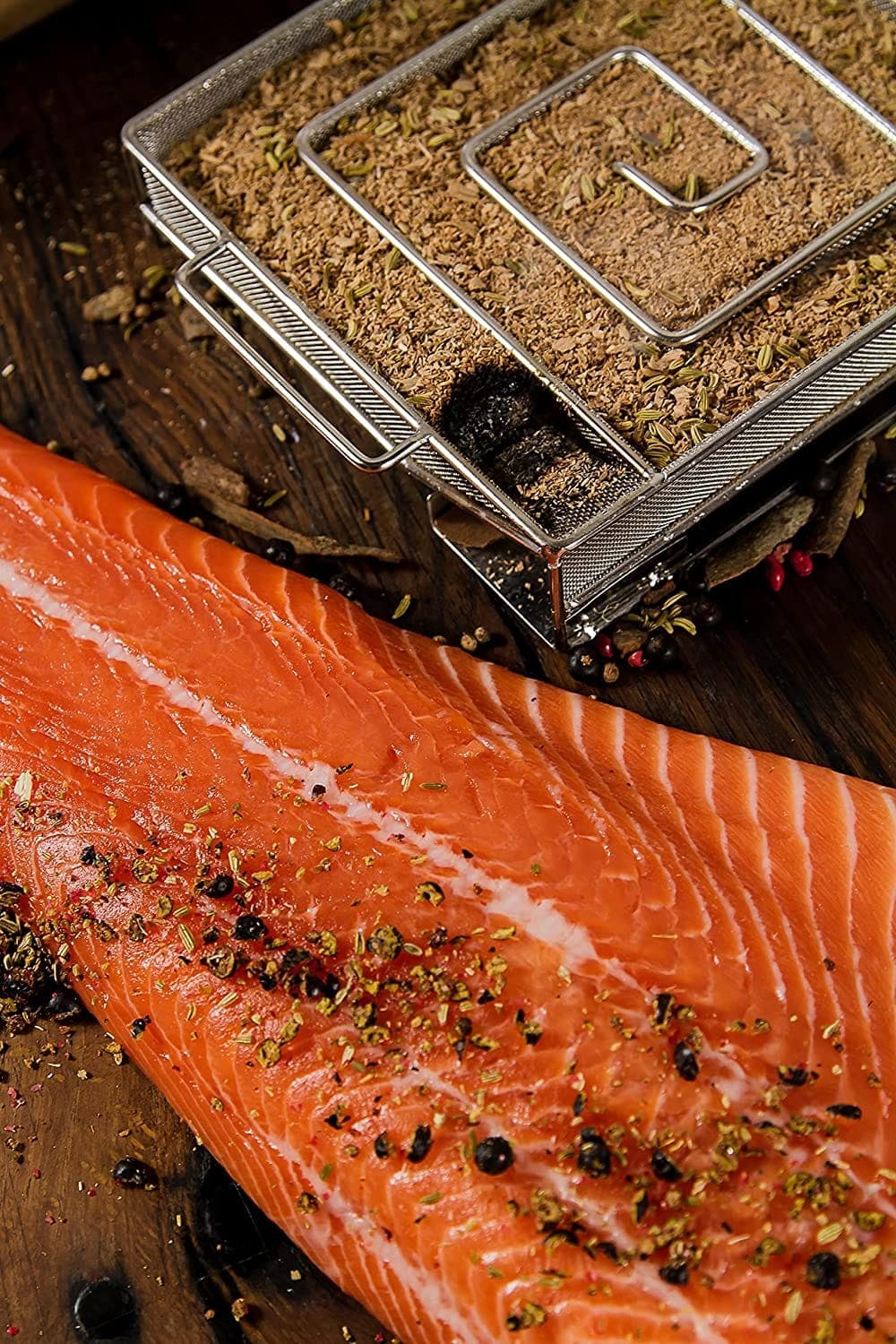
Salt is what turns a fillet into smoked fish. Here is how to brine or dry cure mackerel, trout and salmon, how long to leave them, and how to dry them properly before they meet the smoke.
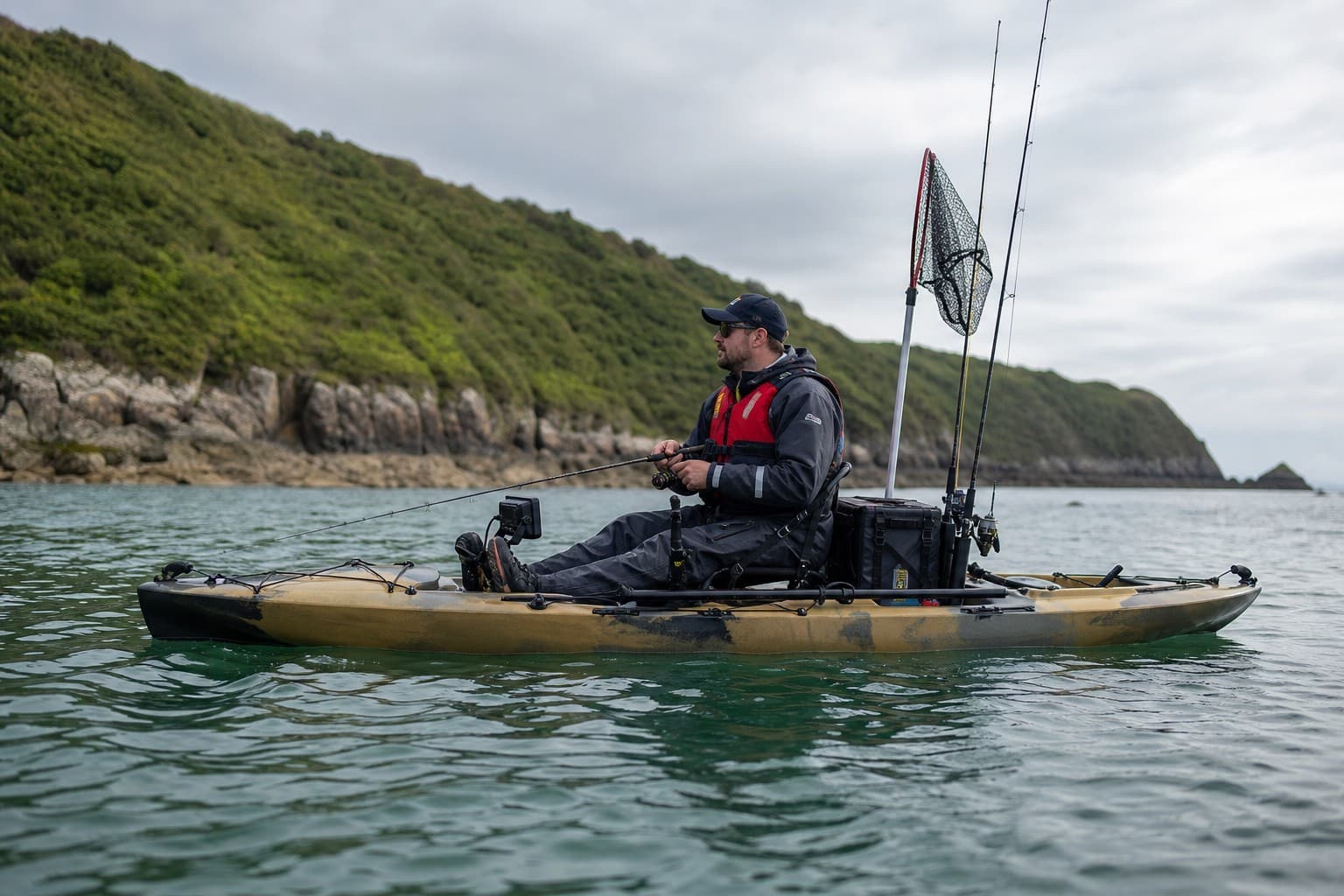
A plain guide to choosing between a 50N buoyancy aid and a 100N or 150N lifejacket for sea fishing, with sizing for children, fit checks and care for inflatables.
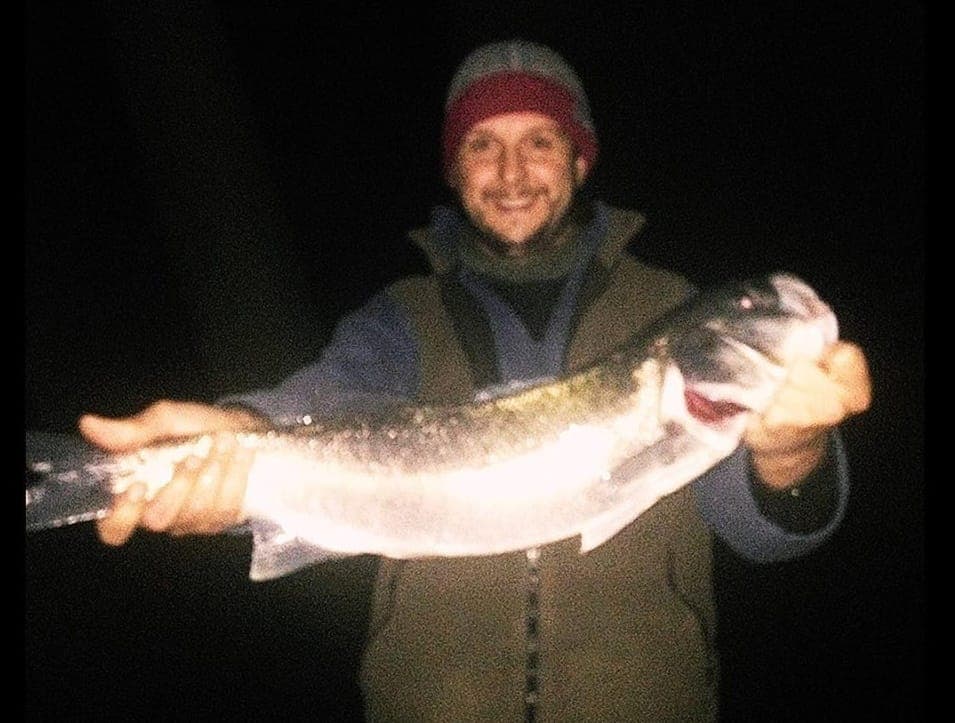
Many UK beaches fish better after dark in autumn and winter. Here is how to pick a safe beach, what to pack, how to set up and bait by headlamp, and how to spot bites.
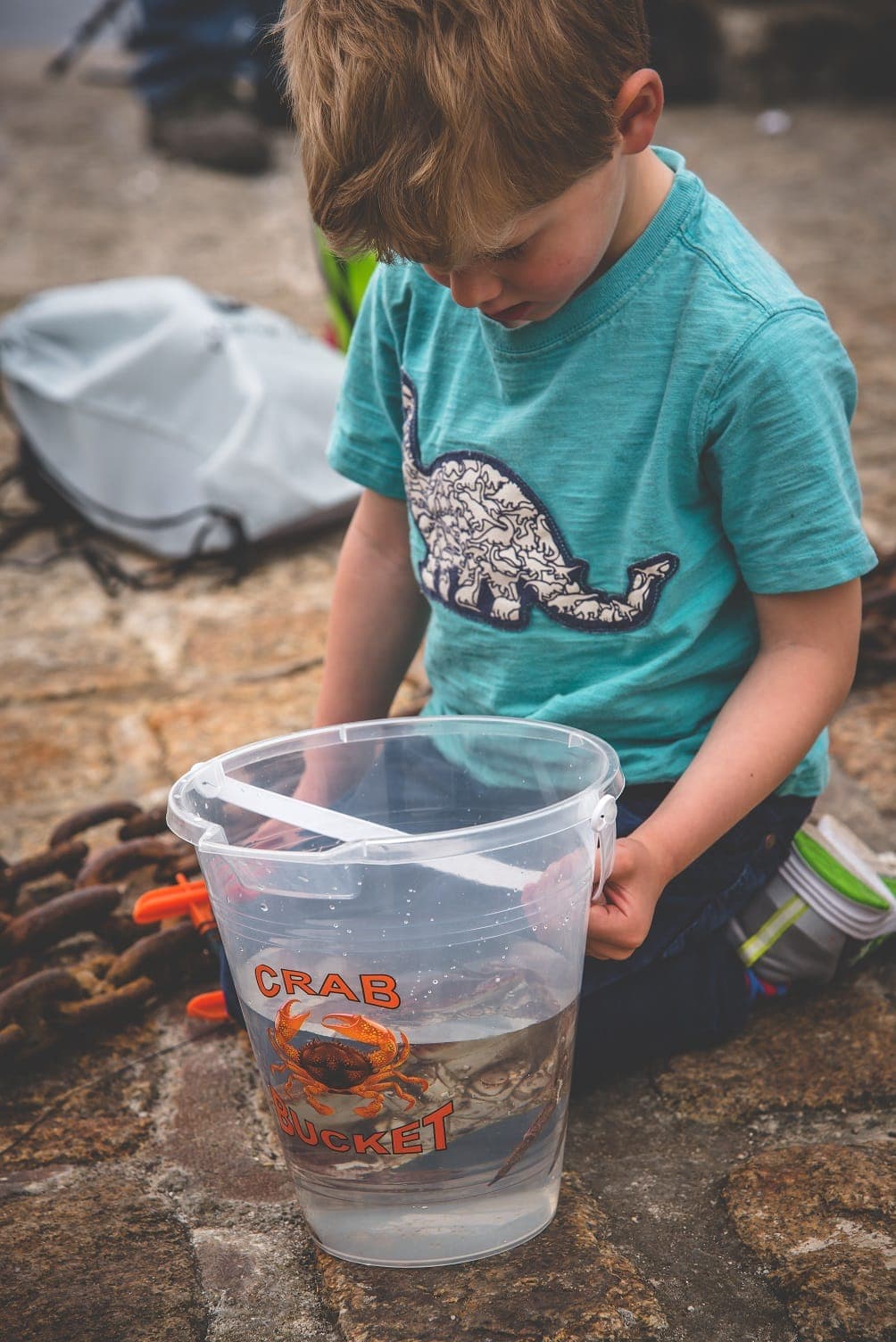
A practical family guide to rock pooling on UK and Cornish shores, from picking the right tide to turning rocks gently, staying safe and ticking off a spotter checklist.
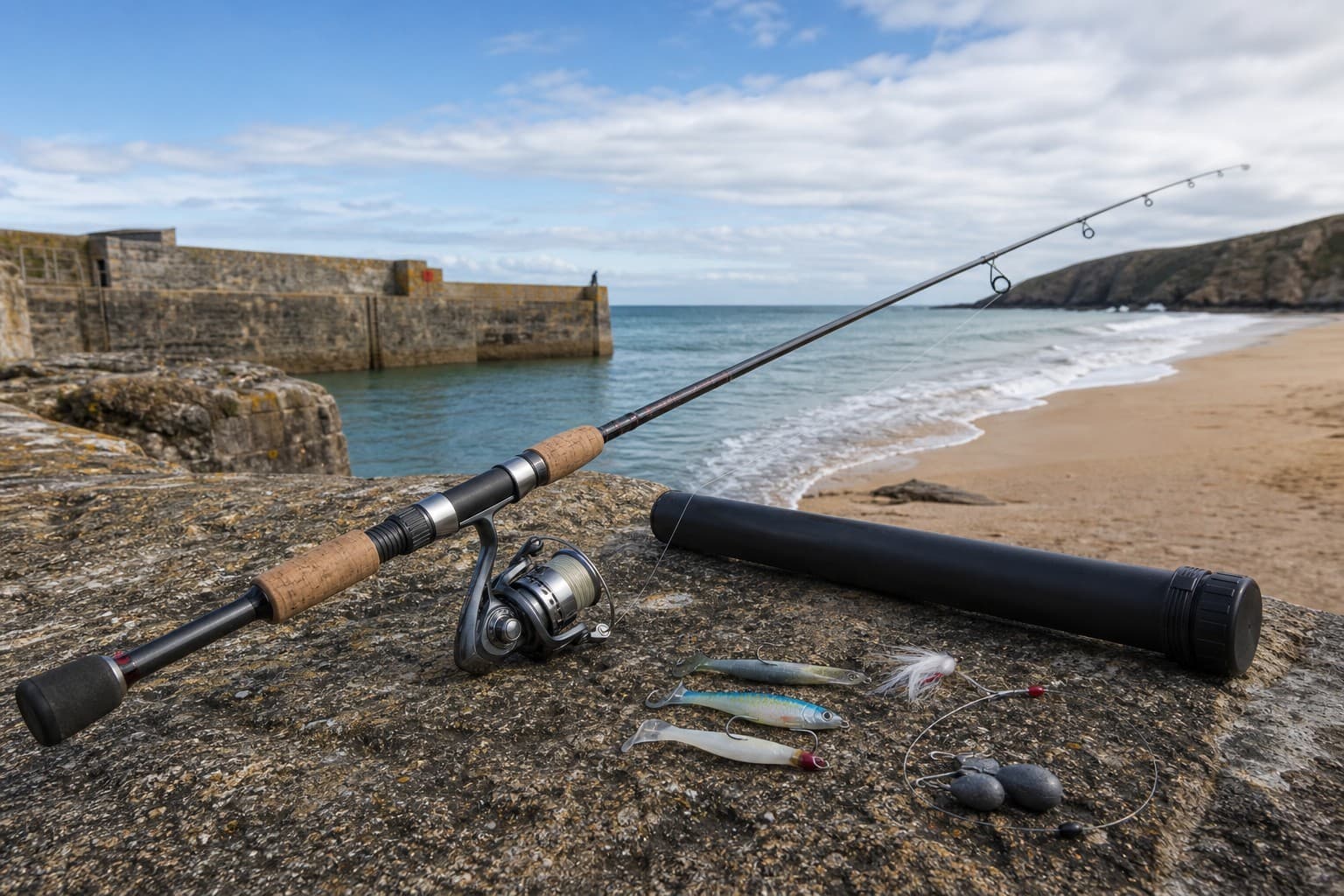
Soft plastics, metals, hard minnows, surface lures and feathers explained in plain terms: what each one catches around the UK coast, when to use it and a simple starter selection.
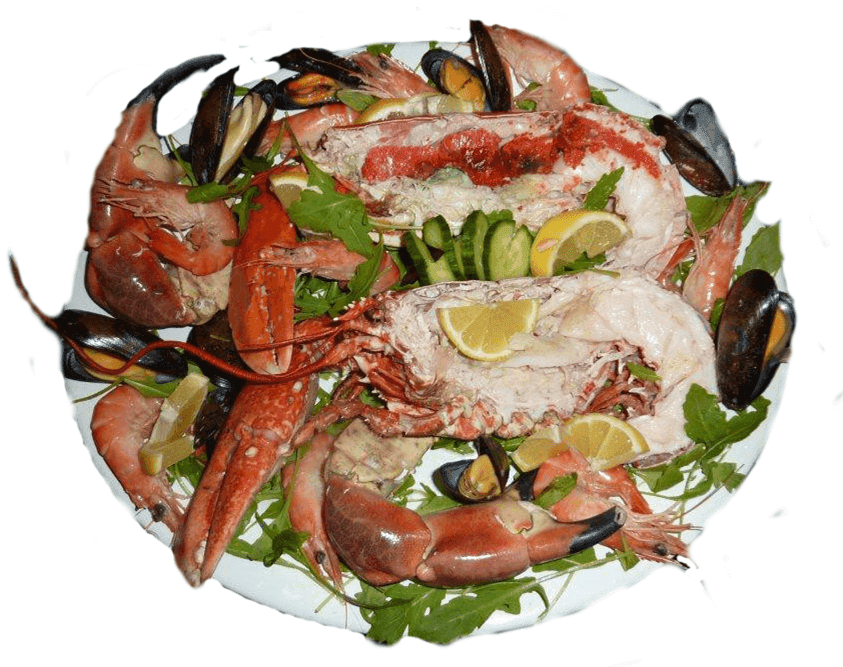
How much seafood to buy per person, what to put on the platter, when to order from your fishmonger and how to keep it all safely chilled on the day.
A practical guide to choosing a children's fishing rod by age, from first crabbing lines to a proper junior combo, with the safety kit that matters most near the water.
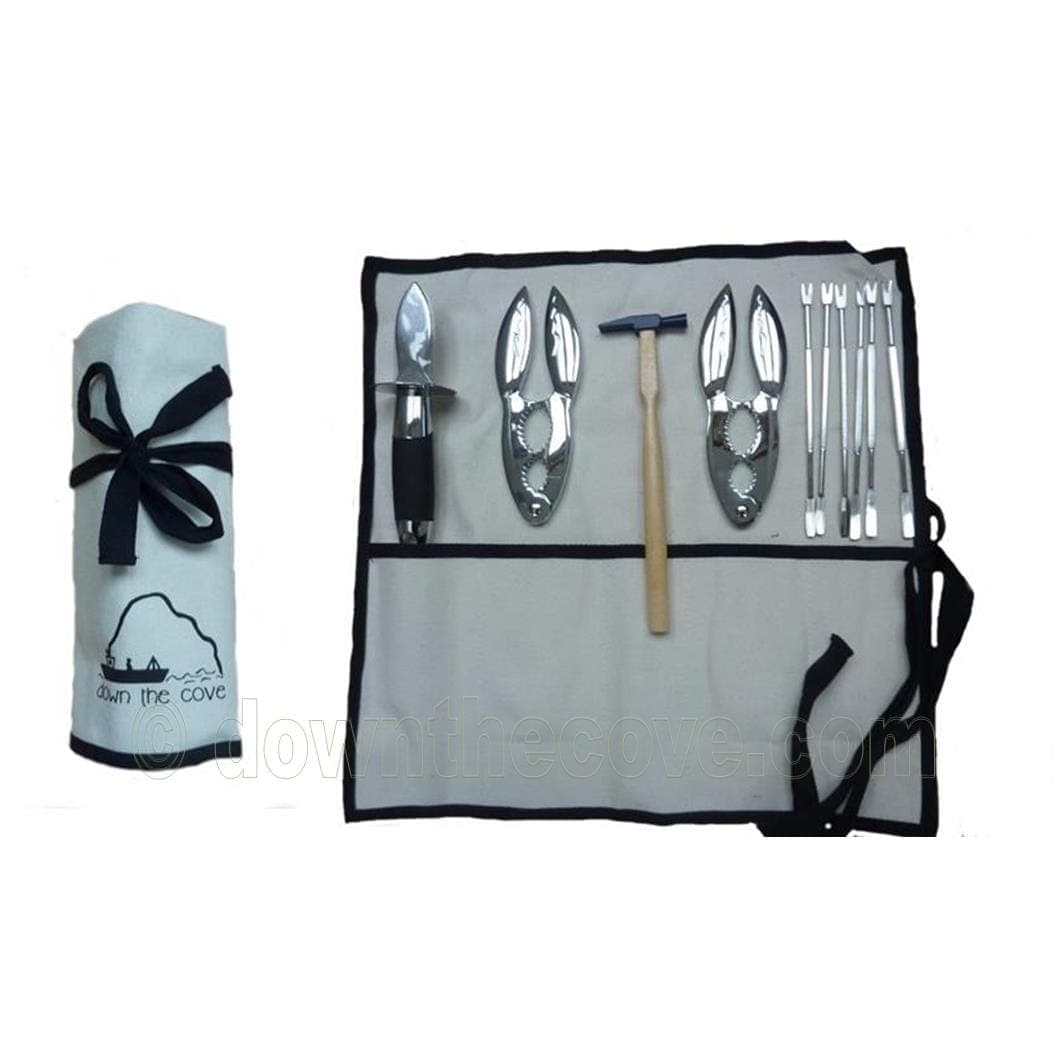
A plain guide to lobster and crab tools: crackers, picks, seafood forks, shears and oyster knives, what each one is for, and which you actually need.
Showing 19-36 of 295
