How much seafood do you need per person?
These are guides rather than rules. Appetites vary, and much of the weight of whole crab, lobster and shell-on prawns is shell you will not eat. If the platter is the main event, lean towards the upper end; if it sits alongside a turkey or a buffet, the lower end is usually plenty.
Starter or one of several dishes: roughly 100 to 150g of edible seafood per person. Main course: roughly 300 to 400g of mixed seafood per person including shell, or 150 to 250g of picked meat and fillet.
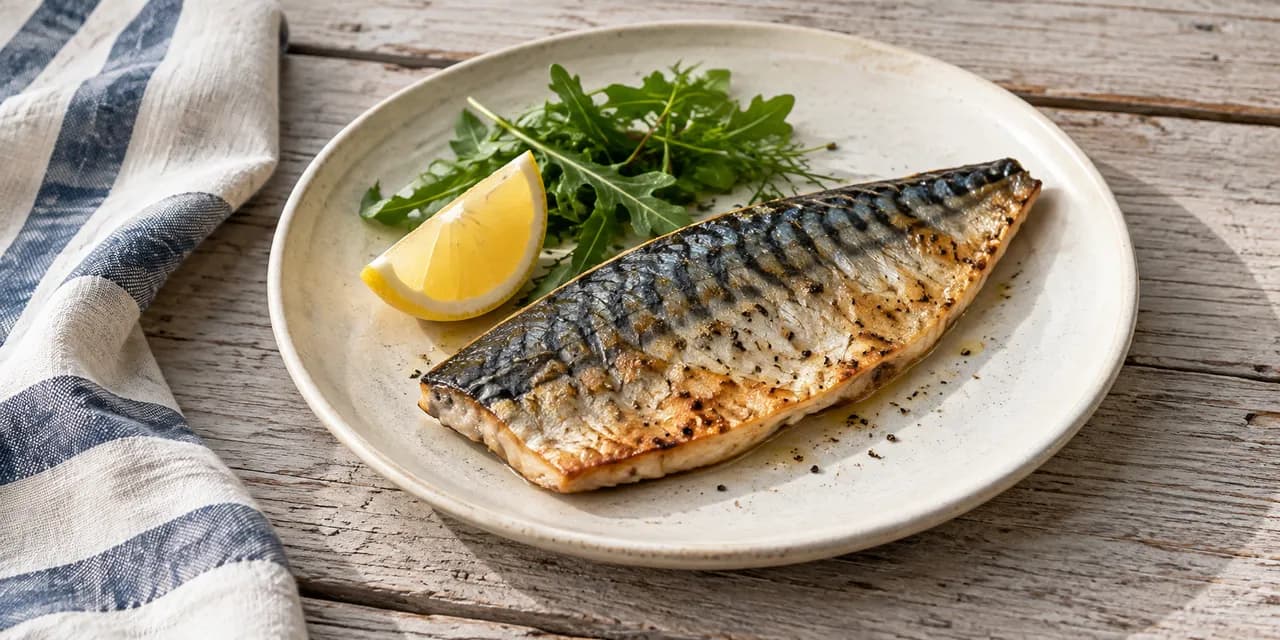
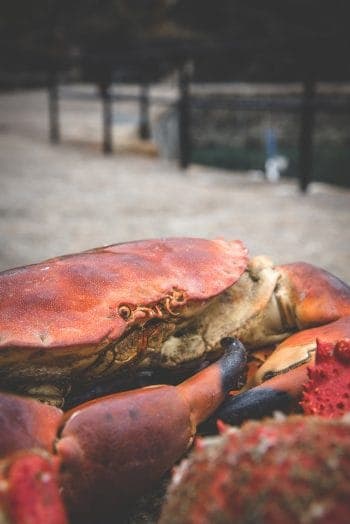
Item by item, a sensible starting point is: half a cooked lobster per person for a main, or a quarter as part of a bigger spread; one medium cooked brown crab between two to four people, depending on what else is on offer; 100 to 150g of shell-on cooked prawns per person; 50 to 75g of smoked salmon per person; three to six oysters for each person who actually eats them; and around 150 to 250g of mussels or cockles in the shell per person if they are one item among several. A bowl of smoked mackerel pâté stretches a long way and is popular with people who are less keen on shells.
Ask round before you order. It is common for a few guests not to eat oysters or anything with a shell, and that changes the numbers more than anything else.
What should go on a seafood platter?
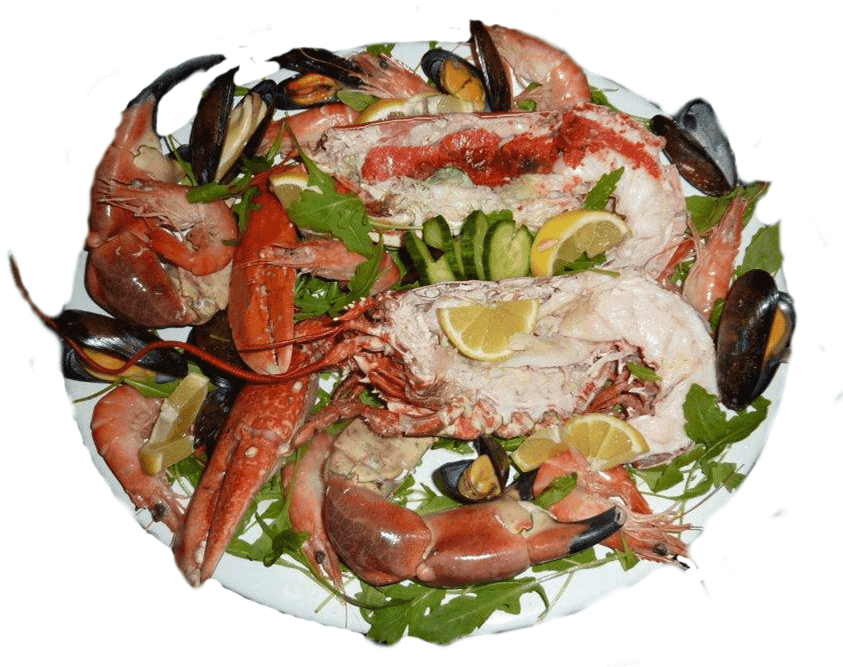
A classic British platter usually works around one or two centrepieces and a few easier, cheaper items to fill it out. Cooked brown crab and lobster are the showpieces. Cooked prawns, smoked salmon and smoked mackerel pâté are the crowd-pleasers. Oysters, mussels or cockles add variety for keener seafood eaters.
You do not need everything. A platter of dressed crab, prawns, smoked salmon and pâté with good bread and lemon is a generous spread on its own. If you want to add something you have made yourself, treacle cured salmon can be prepared in advance, and our guide to types of shellfish is a useful overview if you are deciding what to try.
Mussels can be served cold on a platter once cooked and chilled, or cooked to order and served hot alongside. Our mussels with white wine, chilli and garlic recipe works well as a warm side dish if you would rather not serve them cold.
Should you buy cooked or live shellfish?
For most people at Christmas, cooked is the easier choice. Your fishmonger cooks the crab or lobster, you collect it chilled, and all you need to do is prepare and serve it. Our guides on how to prepare a cooked lobster and prepare a cooked crab take you through splitting, cracking and picking the meat.
Buying live gives you control over freshness and timing, but it means cooking on a busy day with a large pan of boiling water, and it needs to be done properly. If you go that way, follow our guides to cook a live lobster and cook a live crab, and cook them on the day you buy them.
Either way, buy from a fishmonger or supplier you trust. Our guide to buying shellfish covers what to look and ask for.
When should you order seafood for Christmas?
Fishmongers get very busy in the week before Christmas and around New Year, and lobster and crab can sell out. Ordering one to two weeks ahead is sensible, and earlier if you want something specific such as a particular size of lobster or a quantity of oysters.
When you order, ask when they will cook the shellfish and when you can collect it. Ideally collect cooked crab and lobster on Christmas Eve or the morning of the day you eat it. Remember that fishing and deliveries can be disrupted by winter weather and many suppliers close over the bank holidays, so check opening times early.
Smoked salmon and vacuum-packed smoked fish usually have a longer use-by date, so they can be bought a few days earlier. Always check the label rather than guessing.
How do you keep a seafood platter safe to eat?
Shellfish is a high-risk food if it is not handled carefully, so this part matters. Keep everything in the fridge at 5°C or below until you are ready to serve, and keep raw and cooked seafood separate. Cooked shellfish is best eaten on the day it is cooked or bought; otherwise follow the use-by date and any storage advice from your supplier.
Do not leave the platter sitting out in a warm room for hours. Serve it on ice, bring out smaller amounts and top up from the fridge, and put leftovers back in the fridge promptly. Check current Food Standards Agency guidance on how long chilled food can safely be left out.
Only buy oysters and other shellfish you plan to eat raw from a reputable supplier who can tell you where they came from. Raw or lightly cooked shellfish carries a higher risk of food poisoning. NHS and Food Standards Agency guidance advises that pregnant people, babies and young children, older people and anyone who is unwell or has a weakened immune system should avoid raw shellfish. Thoroughly cooked shellfish is generally fine for these groups, but check the current NHS advice if you are unsure.
Live mussels and cockles should be alive before cooking. Our cockles and mussels safety guide explains how to check them, and our guide to eating shellfish covers the basics of handling and serving. If anyone has a shellfish allergy, keep their food completely separate, with its own serving spoons.
A day-of timeline
The day before: make the smoked mackerel pâté and any sauces that keep, such as marie rose, and chill them in covered bowls. Make sure there is enough fridge space and plenty of ice, and wash and dry your serving platter and tools.
Morning: collect any shellfish you have not already picked up and get it straight into the fridge. If you are cooking live crab or lobster, do it now so it has time to cool and chill. Scrub mussels and cook them if you are serving them cold.
One to two hours before: split the lobster, crack the claws and dress or pick the crab, then return everything to the fridge on covered plates. Slice lemons, prepare salad and bread.
Just before serving: spread crushed ice on the platter, lay out the seafood, open oysters last and put the sauces in small bowls. Set out crackers, picks, finger bowls and a bowl for shells.
Which sauces go with a seafood platter?
Marie rose sauce, made from mayonnaise and tomato ketchup with a squeeze of lemon and a pinch of cayenne or a few drops of Worcestershire sauce, is the classic partner for prawns and crab.
Plain mayonnaise, or mayonnaise with lemon zest, garlic or herbs, goes with almost everything. If you make it at home with raw egg, use British Lion stamped eggs, which the Food Standards Agency says are safe for vulnerable groups to eat raw or lightly cooked; otherwise shop-bought mayonnaise is a simple alternative.
Mignonette, finely chopped shallot in red wine vinegar with black pepper, is the traditional sauce for raw oysters. Plenty of lemon wedges, a bottle of Tabasco and some brown bread and butter cover the rest. If you are choosing drinks too, our wine pairing guide has some ideas.
How to serve seafood on ice
Use a large tray or deep platter with a rim to hold crushed ice and catch meltwater. Lay a layer of crushed ice, then put the seafood on top, setting oysters into the ice so they sit level and keep their juices. Bowls of pâté and sauces can be nestled into the ice too.
Crushed ice is better than cubes because it holds the food flat and chills more evenly. Bags of ice from the supermarket are easiest; keep a spare bag in the freezer for topping up. Put a folded tea towel under the tray to catch drips, and set a wipe-clean mat such as our Cornish lobster tablemat at each place to protect the table from wet shells.
What tools do you need for a seafood platter?
A proper cracker makes crab and lobster claws far easier and less messy than a rolling pin or nutcracker. The MasterClass crab and lobster cracker is designed for exactly this, and seafood shears are useful for cutting through lobster, crab leg and prawn shells when you prepare the platter.
Guests will need something to pick meat from legs and claws. A set of stainless steel seafood forks does the job, and lighthouse cocktail forks are handy for prawns and nibbles. You can browse more in our lobster and crab tools and serving and presentation collections.
For oysters you will need a proper oyster knife and a thick cloth or glove to protect your hand; our guide to preparing molluscs shows how to open them safely. Add napkins, finger bowls of warm water with lemon, and an empty bowl for shells.
Quick checklist
Count who eats what, including anyone who is pregnant, very young, elderly or unwell and should avoid raw shellfish. Order from your fishmonger one to two weeks ahead and confirm collection times. Plan fridge space and buy plenty of crushed ice. Make pâté and sauces the day before. Keep everything chilled at 5°C or below until serving, serve on ice in batches and refrigerate leftovers promptly. Have crackers, picks, napkins, finger bowls and a shell bowl ready before anyone sits down.