The full guide
Read straight through, or use the seafood notes above to keep buying, cooking and serving simple.
Preparing Mussels, Oysters and Scallops
A guide on how to clean mussels, how to check mussels are OK to eat and how to shuck (open) oysters and scallops
Molluscs in Cornwall
We are very lucky in the UK and
especially in Cornwall as we have some amazing native mussels, oysters and scallops. Therefore it is important to know how to enjoy these wonderful molluscs and this page should give you the knowledge needed to know how to clean mussels, shuck oysters and open scallops. Enjoy!
Mussels
Live mussels need to be cleaned and sorted before you cook them. The video on the left demonstrates exactly how to clean mussels and what to look for when deciding which mussels to cook and which mussels you should discard.
It is important to discard any mussels that are open as this means that the mussels are dead and may well have been for a while.
Cleaning mussels involves pulling off the beards and scraping off the barnacles. Farmed mussels normally have less barnacles than wild mussels as they are grown in sheltered conditions and are therefore easier to clean.
Oysters
In order to open an oyster it is easier to
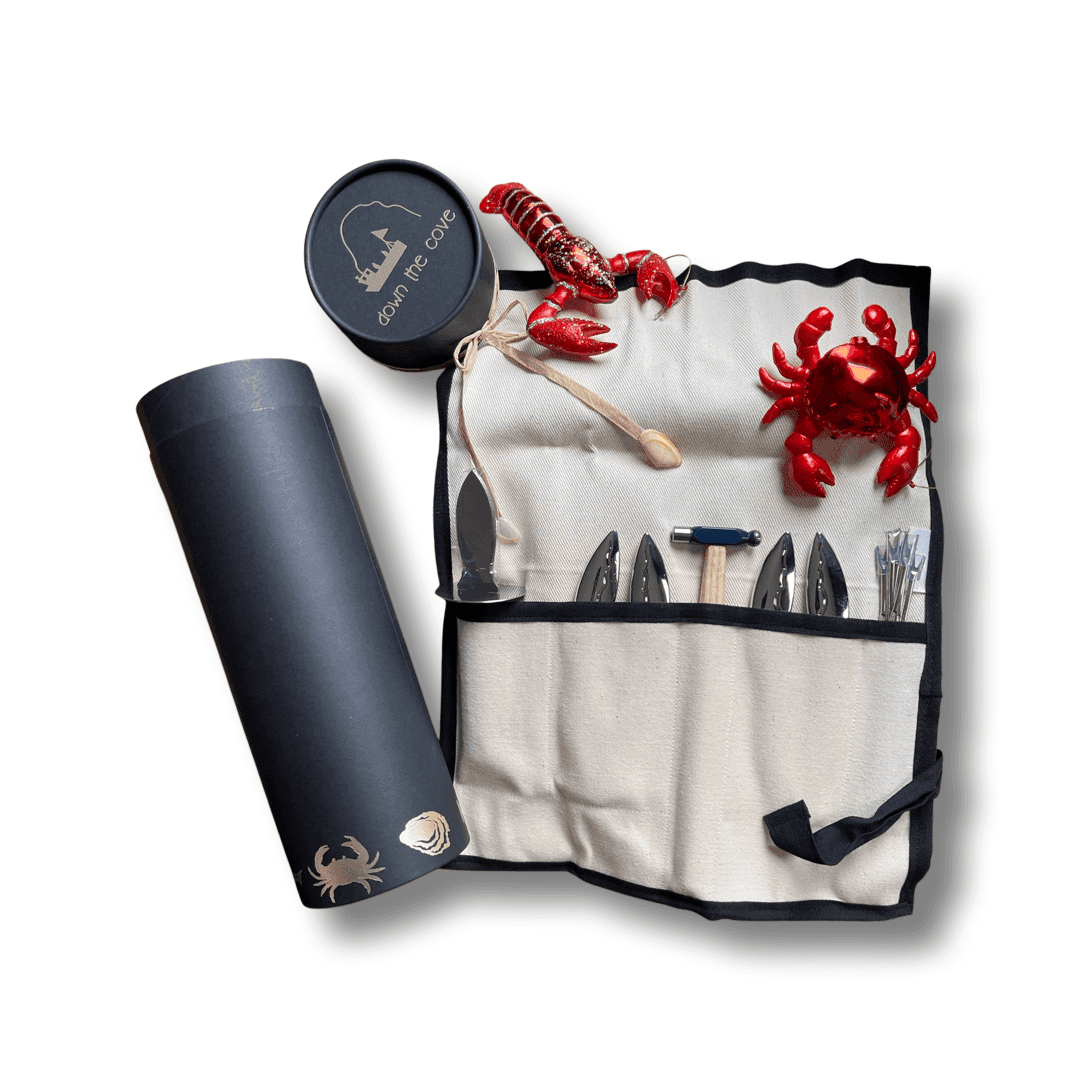
use an oyster knife designed for the purpose - see below.
The process of opening the oyster is known as shucking.
Only eat oysters that are tightly shut - discard any that are open as this means that the oyster is dead.
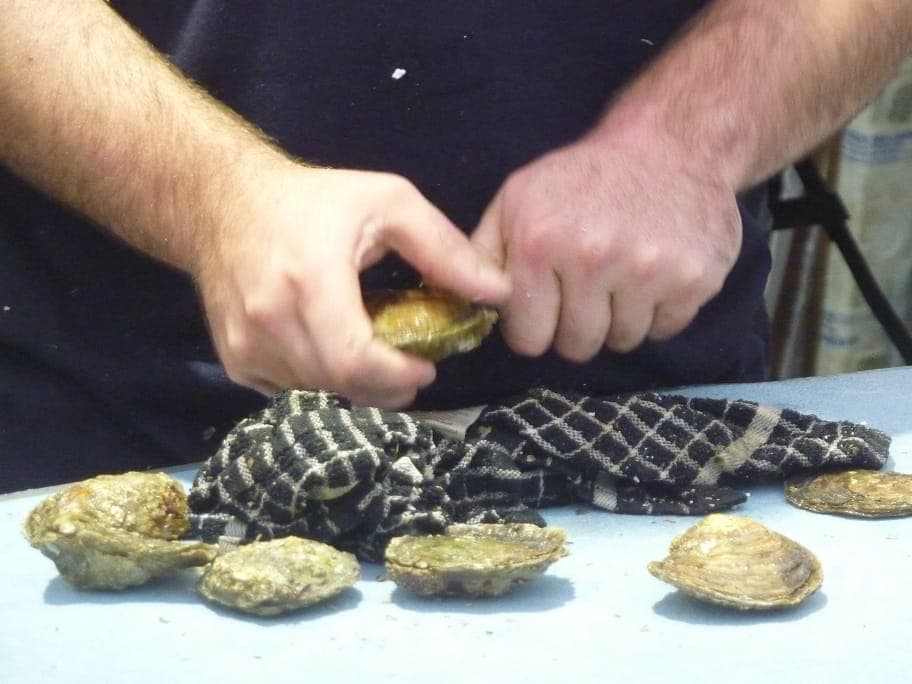
Using a cloth to protect your hands, hold the oyster with the rounded side on the underneath and the flatter side on the top. This is also how they should be stored.
Using the knife push the end of the blade into the hinge area between the top and the bottom shell of the oyster and twist the knife to break the hinge.
Slide the knife along horizontally to release the top shell and remove taking care not to spill the liquid inside the oyster.
Slide the knife under the oyster to release it from the bottom shell.
Many people eat the oysters at this stage while they are still raw and alive. Simply add a little lemon juice and enjoy - then wait and see if their alleged aphrodisiac qualities are founded!
Scallops
As with oysters, opening a scallop is called shucking.
The method is very similar as you need to slide the knife in between the top and bottom shells of the scallop near the hinge.
Follow the inside of the shell with the knife to release the scallop from that side of the shell enabling you to remove the top.
Inside the scallop will have a covering called a frill and will also have a black sack which is the gut. Either use the knife to cut this away or pull it away with your fingers.
This should leave the white meat and the orange coral. Some people like the coral and some people just prefer to eat the white meat so it is entirely up to you whether you keep this piece of the scallop.
Rinse the scallop to get rid of any grit and then it will be ready for you to cook.
Common questions
- How do you clean mussels?
- Rinse and scrub them under cold water, pull the wiry beards off towards the hinge, and scrape away any barnacles. Discard any mussels that stay open when tapped.
- Which mussels should you throw away?
- Any that are open and do not close when tapped, or have cracked shells — these are dead and should not be eaten. Farmed mussels usually need less cleaning than wild ones.
- How do you shuck an oyster safely?
- Hold it in a folded cloth, rounded side down, push an oyster knife into the hinge and twist to break it, then slide the blade along to release the top shell — keeping the liquor inside.
- How do you open a scallop?
- Slide a knife between the shells near the hinge, follow the inside of the top shell to release it, then remove the frill and the black gut sac, keep the white meat and orange coral, and rinse off any grit.
- Can you eat oysters raw?
- Raw oysters can carry harmful bacteria and viruses even when they look fresh and their shells are closed. Lemon juice is not a safety treatment. Follow current NHS and FSA advice, including advice for people at higher risk; buy from a reputable supplier and consider thoroughly cooked shellfish instead.