The full guide
Read straight through, or use the seafood notes above to keep buying, cooking and serving simple.
Enjoy Eating Shellfish
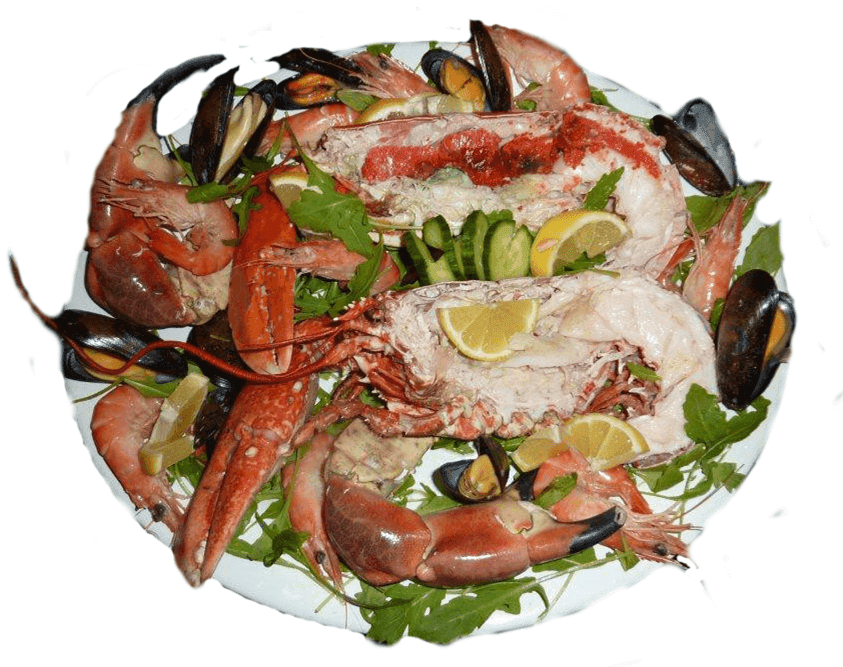
A guide on how to tackle a seafood platter including how to eat a crab claw, how to eat lobster in its shell, how to peel a prawn and how to eat a mussel.
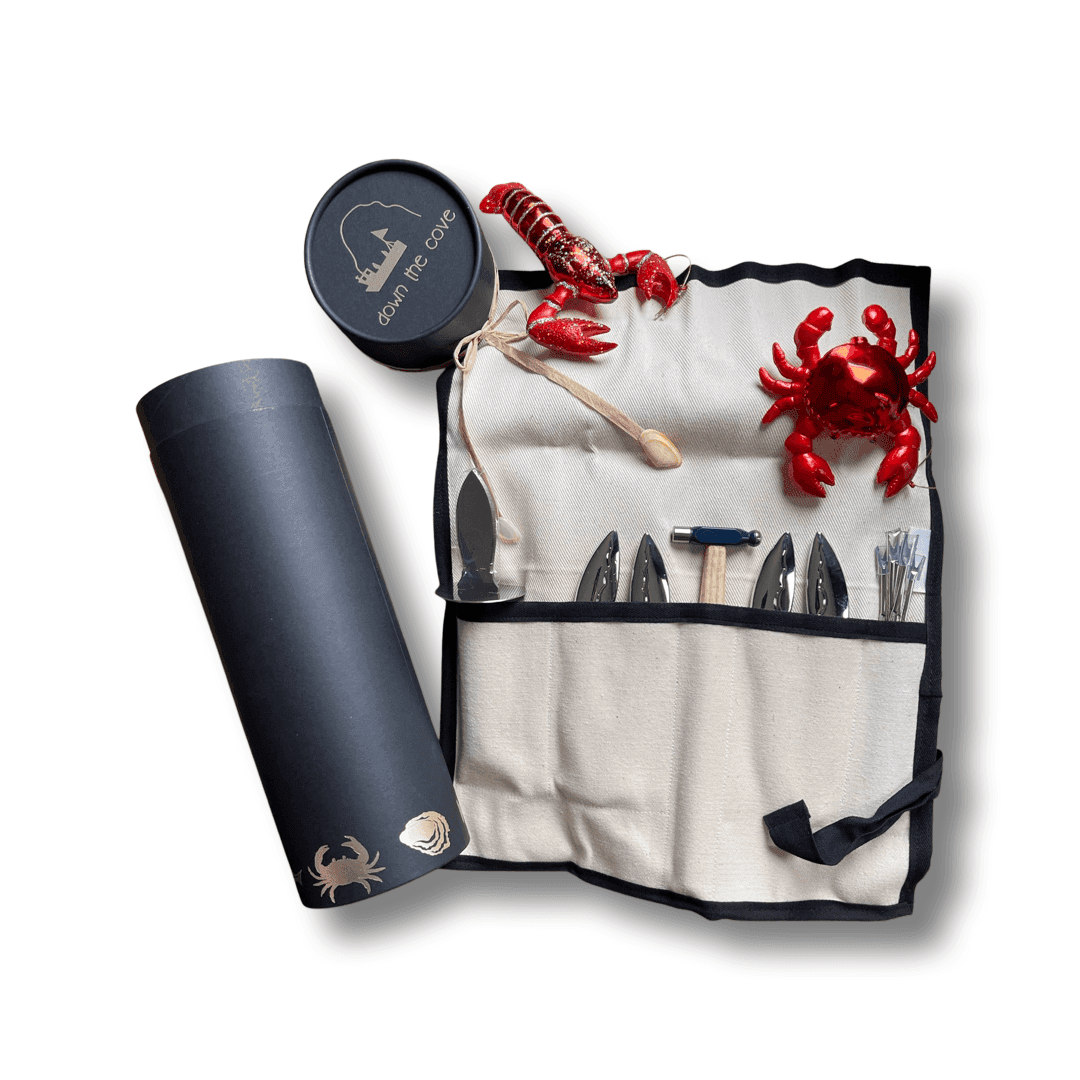
Kitchen kit for this guide
Seafood prep and kitchen kit chosen to make the guide easier to use.

Seafood platter eating tips
A seafood platter looks complicated, but it follows a simple order. These tips work in a restaurant or at home.
Start with the easy things. Eat oysters, prawns and mussels first while they are cold, then move on to crab and lobster, which take more work.
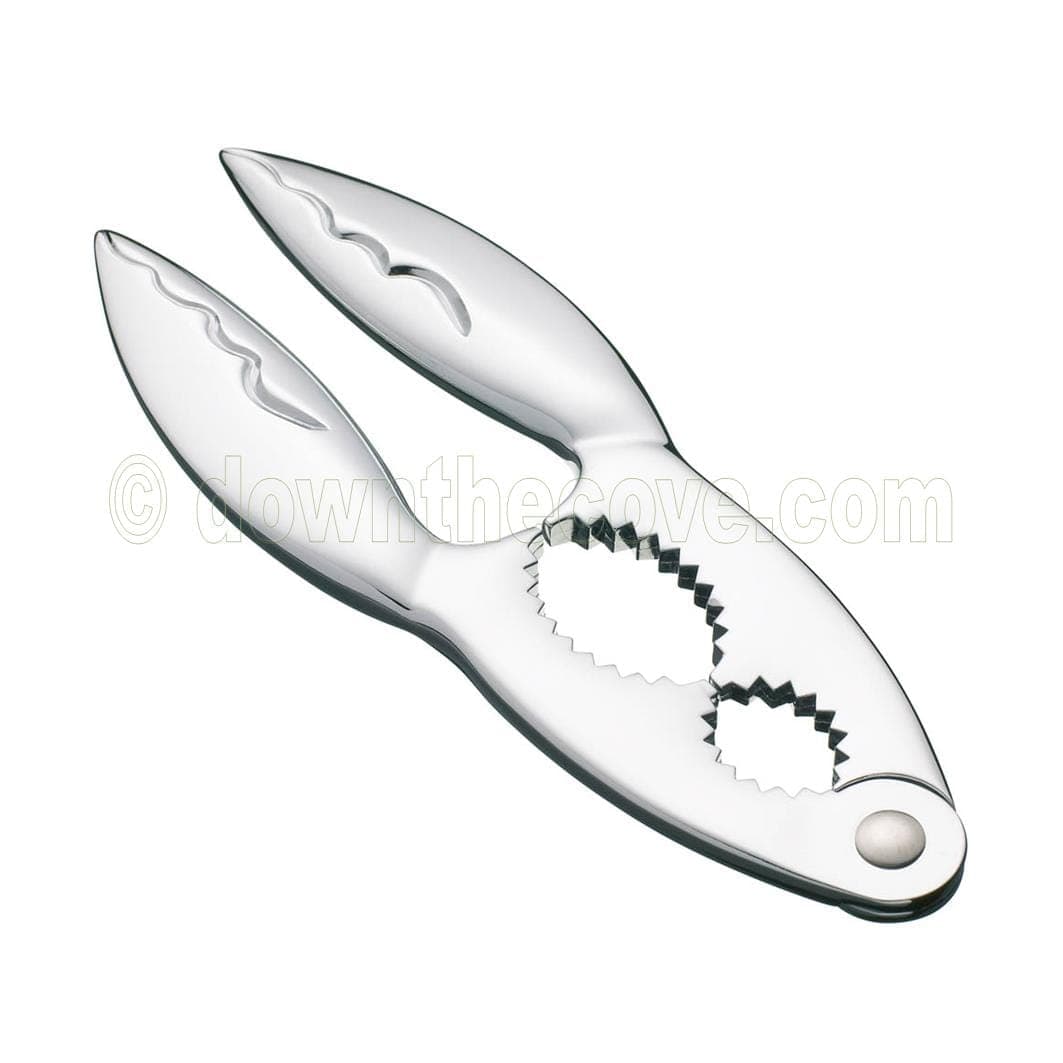
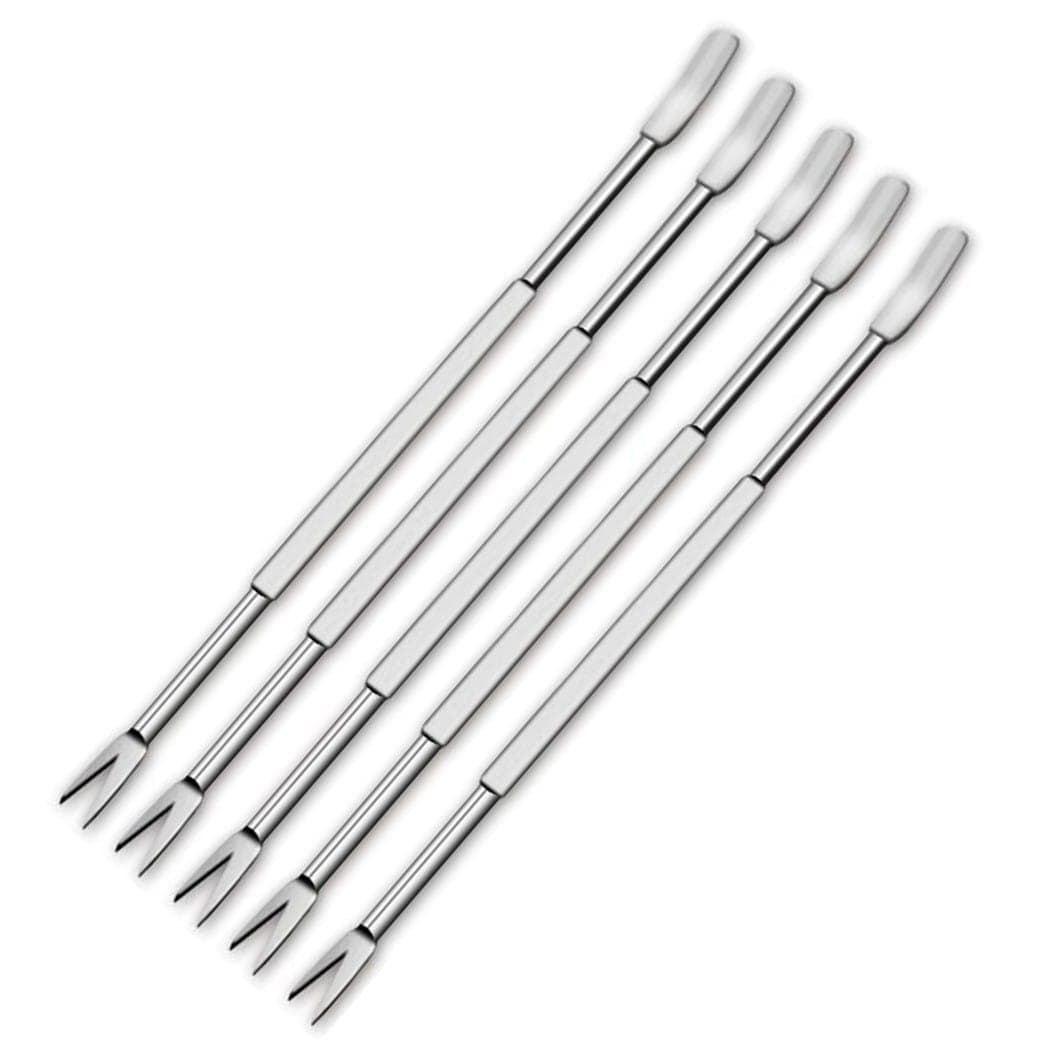
Use the right tool. A cracker for claws and legs, a pick or narrow fork for the meat in the corners, and your fingers for prawns. Most restaurants bring tools with a platter; if they do not, it is fine to ask.
Crack, do not smash. Squeeze a claw gently until the shell gives, then peel it open. Smashing it sends shell into the meat and juice across the table.
Peel prawns over a spare bowl. Twist off the head, peel the shell away from the legs, pinch the tail and pull. Keep the shells in the bowl rather than on your plate.
Oysters: loosen, then tip. Check the oyster is free of its shell with the little fork, add lemon or shallot vinegar if you like, then tip it into your mouth from the wide end. Raw shellfish carries a higher risk of food poisoning, and the NHS advises people who are pregnant to avoid it; anyone very young, elderly or with a weakened immune system should be cautious too.
Use the finger bowl. A bowl of warm water with a slice of lemon is for rinsing your fingertips, not for drinking. Have plenty of napkins.
Ask for help. Staff are usually happy to crack a lobster or show you how to tackle a crab claw.
Planning a platter at home
If you are serving one yourself, our Christmas seafood platter guide covers how much to buy per person, ordering ahead, keeping everything cold and which sauces to make. For the kit, our lobster and crab tools guide explains what each cracker, pick and fork does and which ones you actually need.
Keep the seafood in the fridge until just before you serve it, put the platter on crushed ice, and return leftovers to the fridge promptly rather than leaving them out on the table.
We have met many people who have said how they would love to order shellfish in a restaurant but are reluctant to because they are not sure how to eat it. This is especially true for seafood platters where you have a variety of different shellfish to eat.
On this page we will demonstrate how to eat lobster, crab, mussels and prawns so that these wonderful foods can be enjoyed by everybody.
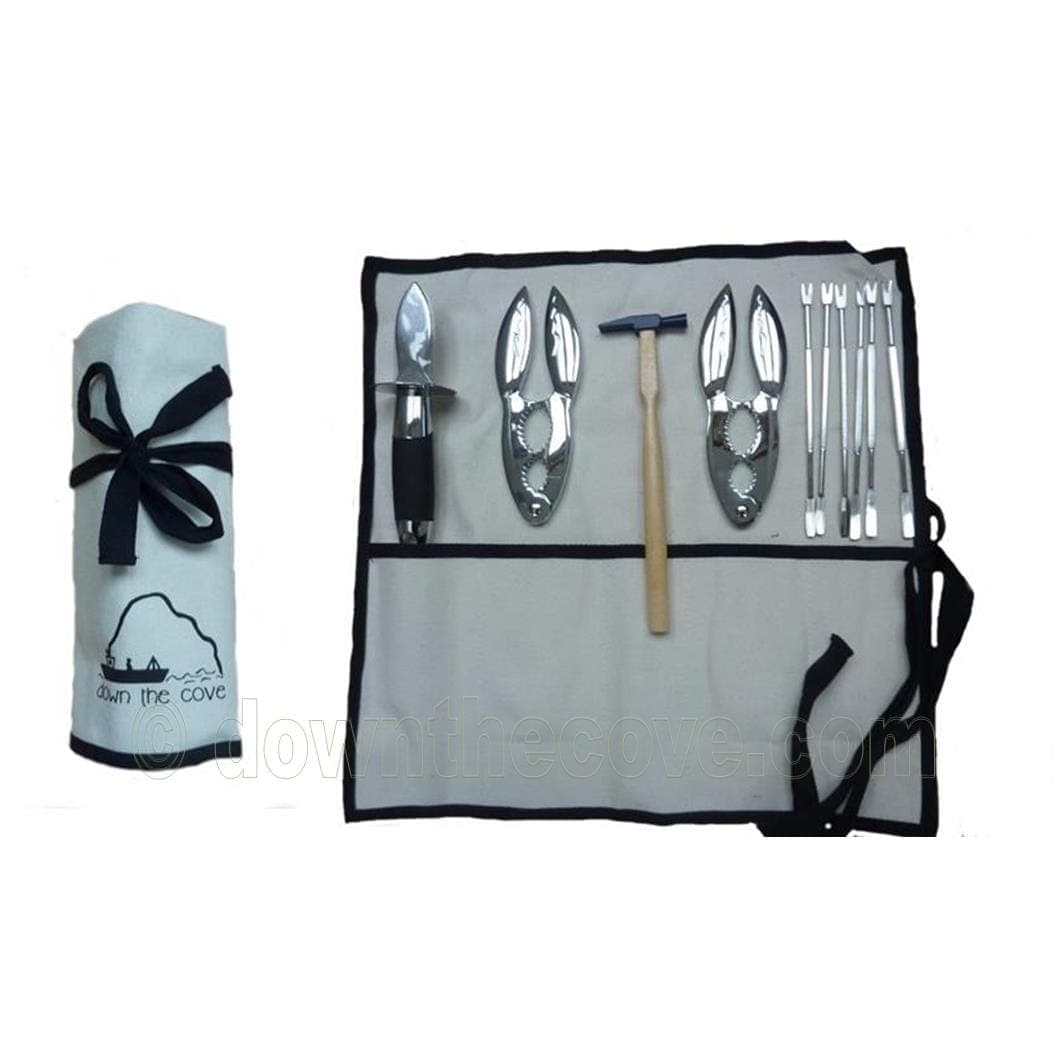
All the tools and utensils required to eat shellfish are available in our cook shop. This includes all items being used in the videos below.


Lobster
- The meat in a lobster's tail is easy to pull out and eat. There is also some delicious meat in each of the legs, which is best sucked out.
Crab
- If you have crab on a shellfish platter then it will normally be the claws and occasionally the legs too. The meat from the body of the crab is normally removed for you before serving a crab.
How to eat Lobster
How to eat a Crab Claw


How to peel or shell Prawns
Whole prawns became very popular a few years ago with the introduction of dishes in pubs and restaurants such as 'a pint of prawns' or 'a bucket of prawns'. The larger king prawns or tiger prawns are easier to peel. However, even small prawns are pretty easy to eat as demonstrated in this video.
How to eat Mussels
Eating mussels is very much hands on! With a bowl of mussels cooked in a delicious sauce such as white wine and garlic, it is a good idea to serve some nice crusty bread.
Our mussel pots are an all in one solution. You can cook and serve them in the pot and then the lid becomes the container for the empty shells. They look good too!
Common questions
- How do you eat lobster from the shell?
- The tail meat pulls out easily in one piece; crack the claws with a cracker and draw the meat out with a pick, and do not forget to suck the sweet meat from the legs.
- How do you eat a crab claw?
- Crack the claw with a cracker or the back of a heavy knife, then pull or pick the meat out with a seafood fork. Claws are good fun and full of sweet white meat.
- How do you eat mussels properly?
- Eat the first mussel with a fork, then use its empty hinged shell as pincers to pluck out the rest — the traditional French way — and mop up the sauce with crusty bread.
- How do you peel a prawn?
- Twist off the head, peel the shell away from the legs, then pinch and pull the tail. Larger king or tiger prawns are easiest, but even small ones come away cleanly.
- What tools do you need for a seafood platter?
- Crab and lobster crackers, seafood picks or forks, finger bowls with lemon, and a bowl for the empty shells. Everything you need is in our cook shop.
- What order do you eat a seafood platter in?
- Start with the cold, simple things such as oysters, prawns and mussels, then move on to crab claws and lobster, which take more cracking and picking.
- Is it OK to eat a seafood platter with your fingers?
- Yes. Prawns, claws and lobster are meant to be eaten with your hands, helped by crackers and picks. That is why platters come with finger bowls and napkins.
- What sauces go with a seafood platter?
- Lemon wedges, mayonnaise or aioli, Marie Rose sauce and shallot vinegar for oysters are the classics. Our Christmas seafood platter guide has more ideas.