
Useful for your next trip
Useful kit connected to this guide, chosen to keep the next step simple.
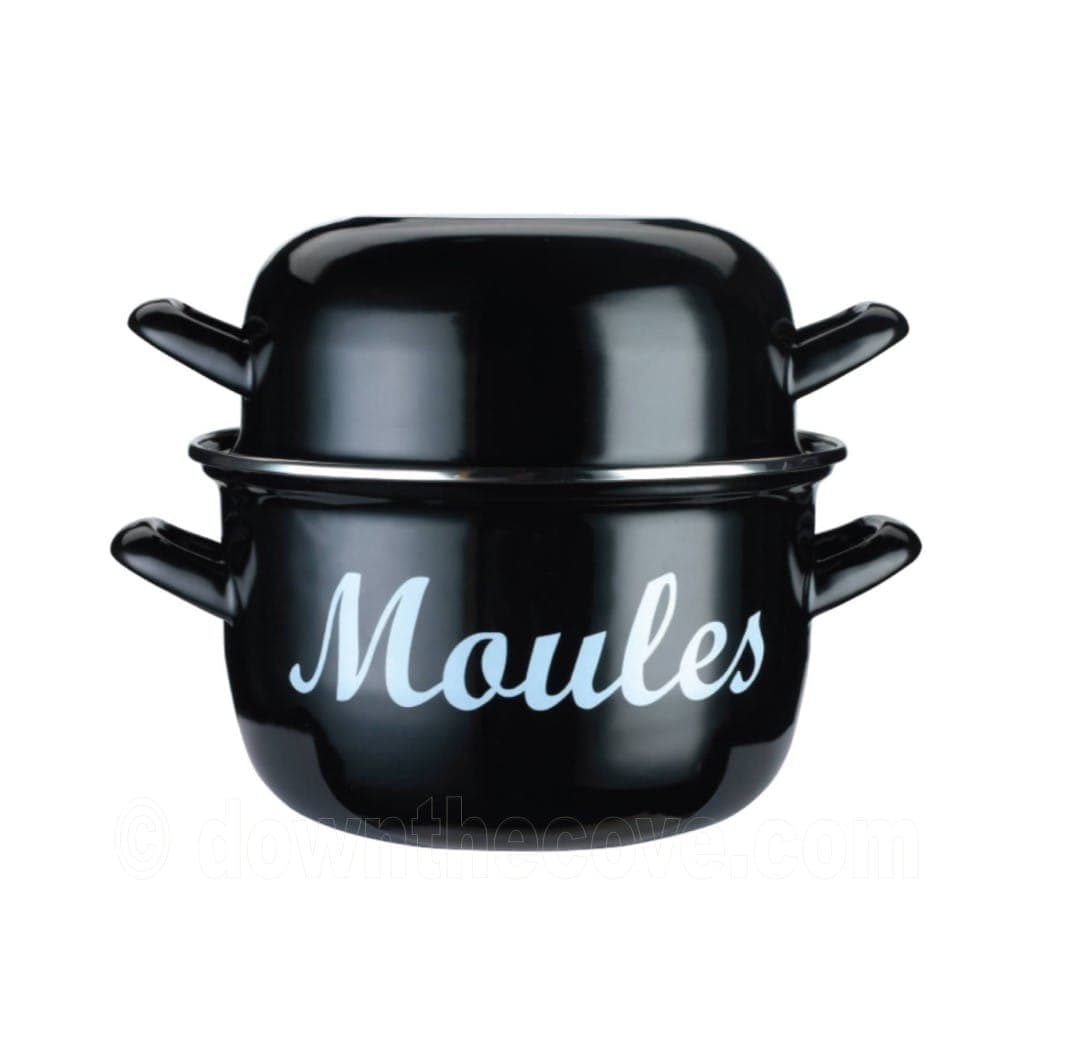
Full types of shellfish guide
How to spot it, where it lives, how it is caught and how to cook it — the complete guide, in one easy read.
Shellfish is a term used to describe aquatic invertebrates (having no backbone). These invertebrates also have an exoskeleton meaning that their skeleton is on the outside not the inside like ours. Details of how each of these animals grow is given for each species.
Most types of shellfish are a highly prized seafood, especially lobster.
What is shellfish?
Shellfish is the everyday word for edible aquatic animals that have no backbone — they are invertebrates — and wear their skeleton on the outside as a shell or exoskeleton. They fall into two broad families: crustaceans and molluscs. Shellfish are covered by two of the United Kingdom's fourteen named food allergens, crustaceans and molluscs, so they are always worth flagging on a menu.
Crustaceans
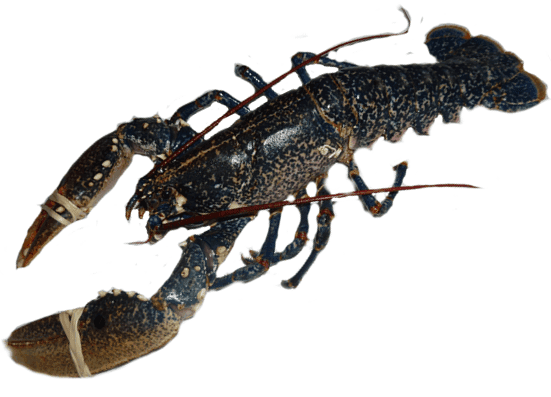
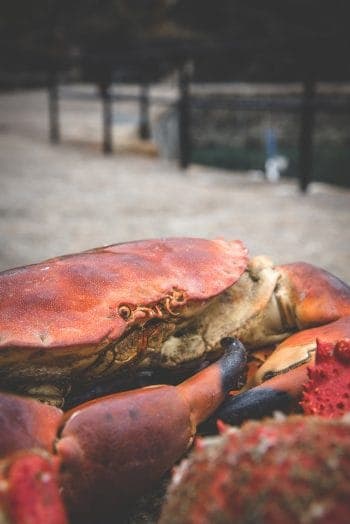
Crustaceans have a jointed exoskeleton and several pairs of legs. The ones you are most likely to meet around Britain are crab, lobster, langoustine (the Dublin Bay prawn), crayfish, prawns and shrimp. They are lively, characterful creatures, which is exactly why freshness — buying them alive — matters so much.
FAQs
Quick fish questions
Short answers for the questions families and coastal readers often ask first.
What are the main types of shellfish?
Shellfish fall into two families: crustaceans (crab, lobster, langoustine, prawn, shrimp and crayfish) and molluscs (mussels, oysters, scallops, clams and cockles, plus whelks, winkles and limpets).
What is the difference between crustaceans and molluscs?
Crustaceans have a jointed external shell and several pairs of legs; molluscs have a soft body inside a hard shell — either two hinged shells (bivalves) or a single coiled shell (gastropods).
Is shellfish a fish?
No. Shellfish are aquatic invertebrates, meaning they have no backbone and wear their skeleton on the outside. They are a separate group from finned fish, and are covered by two of the UK's fourteen named food allergens, crustaceans and molluscs.