The full guide
Read straight through, or use the foraging notes above to keep each coastal trip careful and simple.
Cockles and mussels are part of our coastal wildlife, but their appearance cannot establish whether they are suitable to eat. Start with local shellfish advice, permissions and current monitoring, not a home purging method.
Observe first; do not assume you can harvest
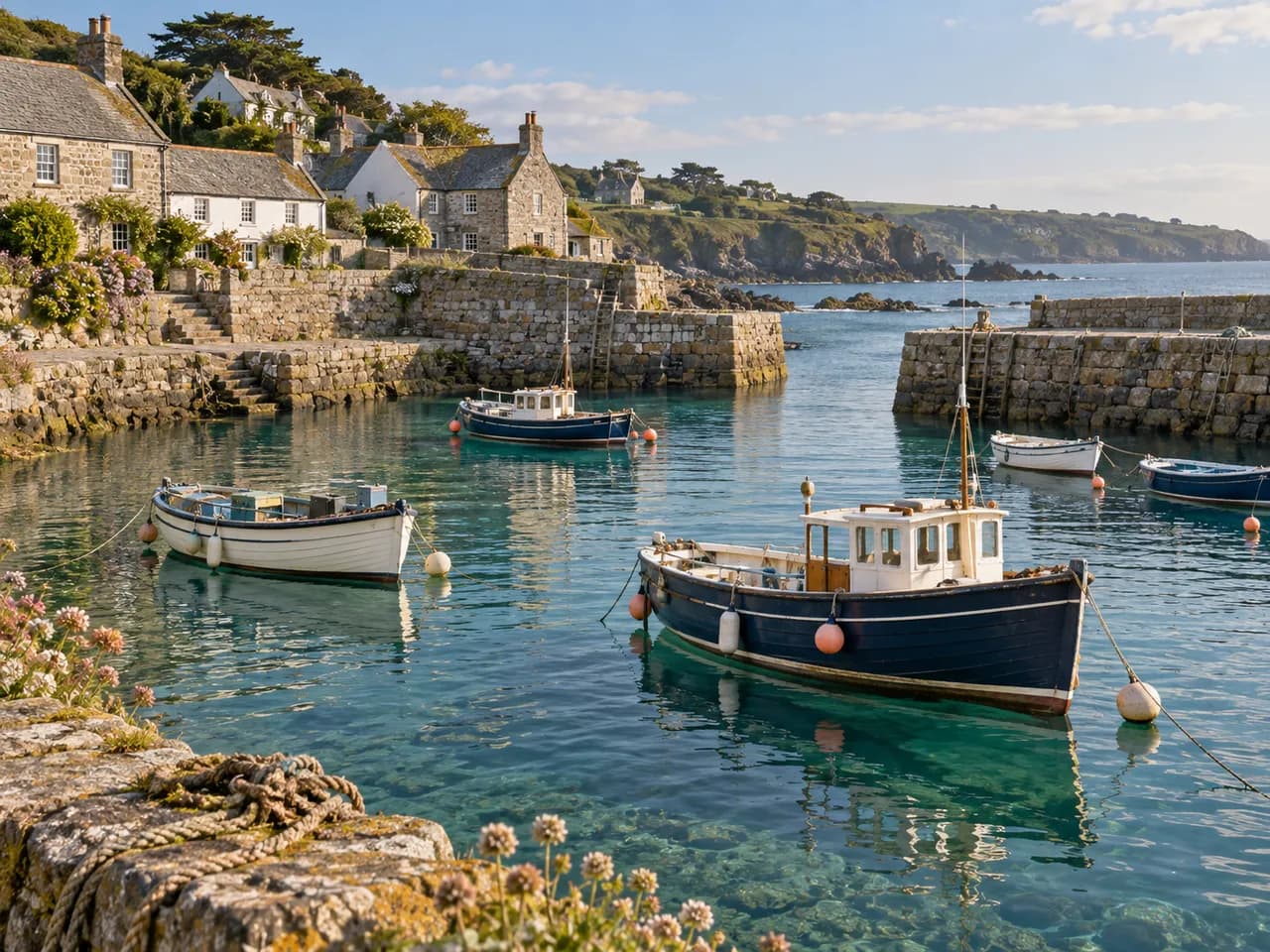
Mussels can be found attached to coastal surfaces and cockles in sandy intertidal ground. Finding a bed does not establish permission to collect from it or suitability for eating. Check local restrictions and ask the relevant environmental health or port health authority about that exact location before considering a harvest.
Clear-looking water is not a safety test
Shellfish can accumulate contaminants that you cannot see or smell. Cornwall Port Health publishes classification and biotoxin monitoring information. A classification is not a blanket assurance for recreational gathering: check current advice, restrictions and any treatment requirements with the authority.
Do not rely on home purging
Soaking shellfish in a bucket of salted water is not a validated purification process. Cooking is not a reliable way to remove marine biotoxins. A closed shell, clear water or an 'R' in the month cannot prove a harvest is safe. If you cannot establish its suitability, do not collect it for food; buy from a reputable supplier instead.
Preparing shellfish bought for food
Follow the supplier's use-by, storage and cooking instructions. Keep raw shellfish separate from ready-to-eat food and clean hands and utensils after handling it. The FSA's cooking guidance explains the checks for fish and shellfish; do not use a foraging article to override a food alert or supplier instruction.
Protect yourself and the shore
Plan around tides and weather, avoid unstable rocks and soft mud, and keep an exit route. Observe wildlife without stripping beds or disturbing habitat. Check current local access and gathering rules even when collecting only a small amount.
Cook and serve shellfish at home
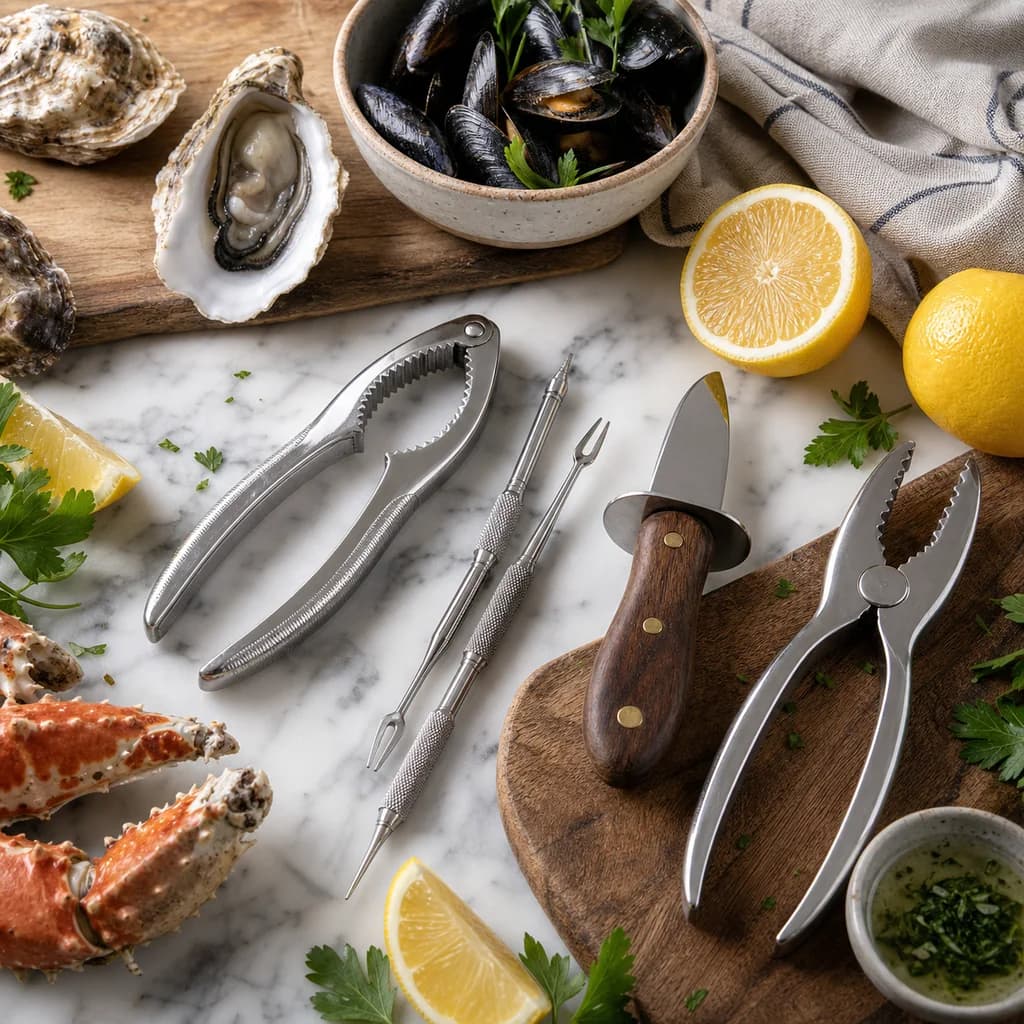
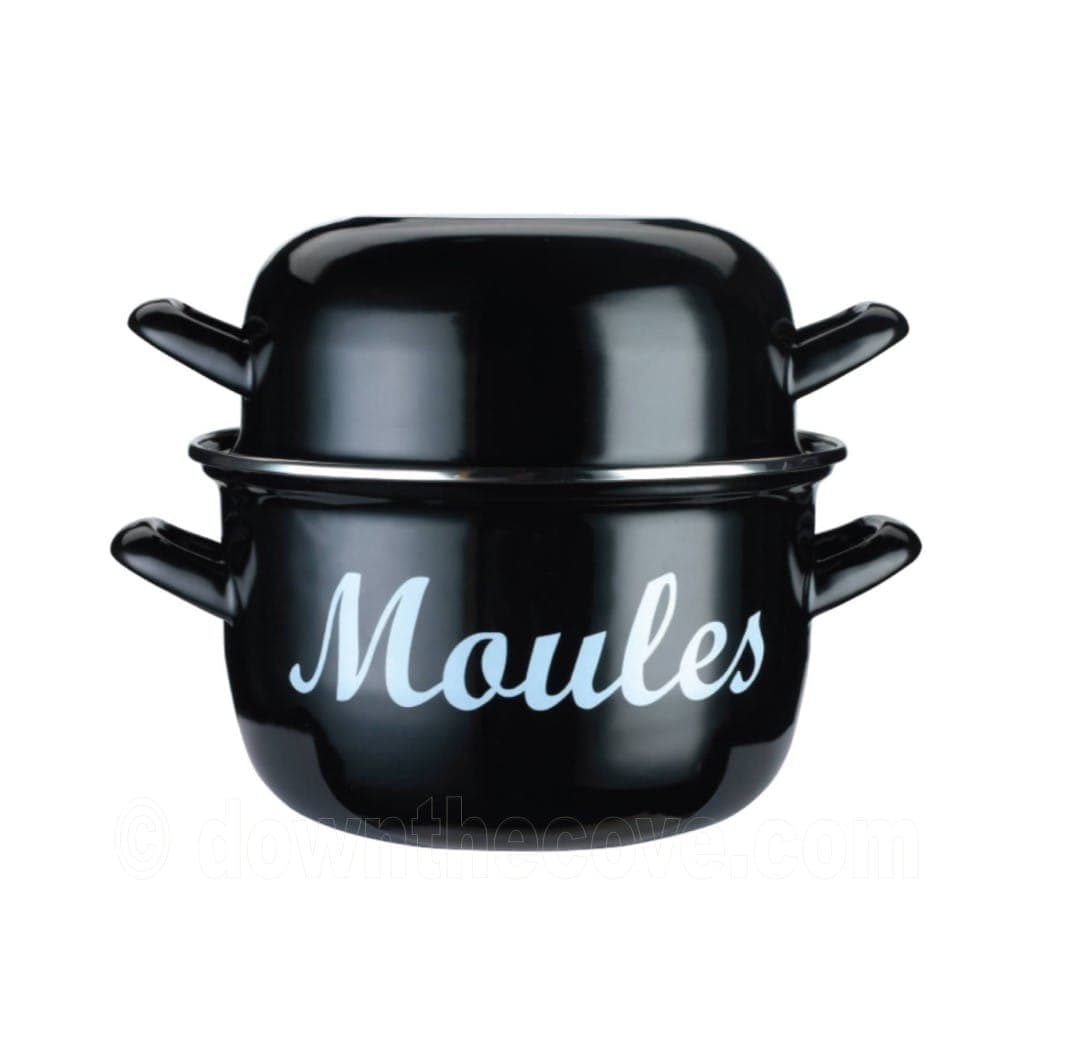
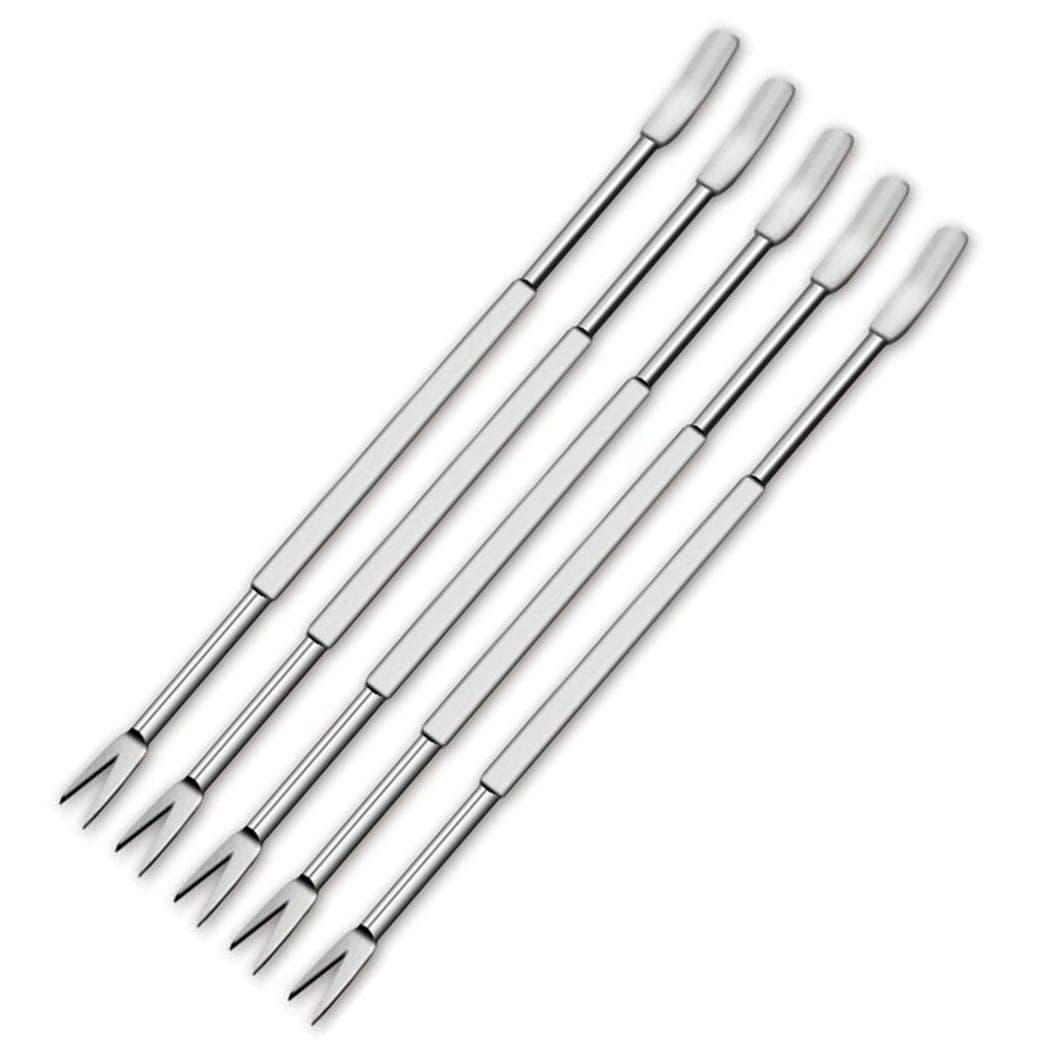
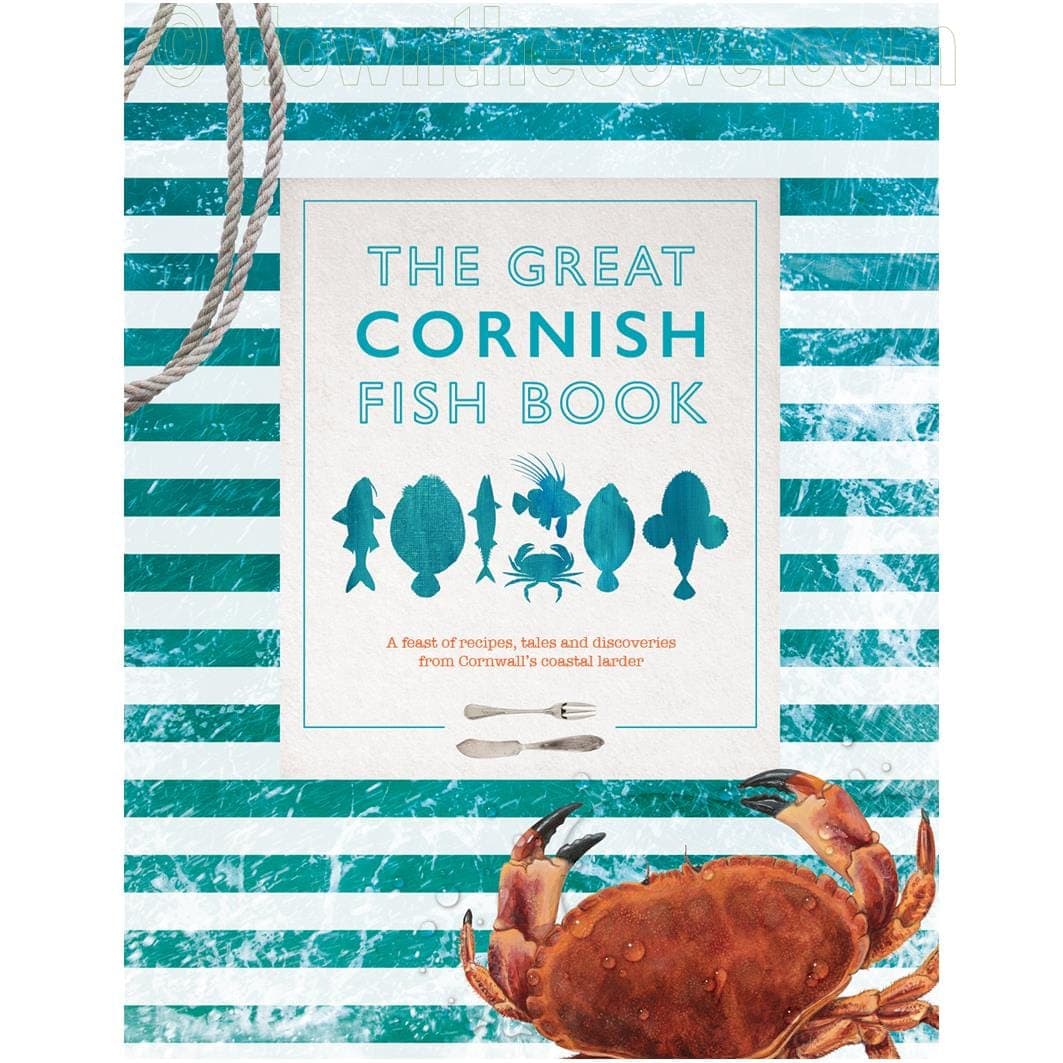
A proper mussels pot and seafood forks for cooking and serving shellfish you have bought or safely gathered.
Common questions
- Can clear water or a closed shell prove shellfish are safe?
- No. Neither appearance nor a living, closed shell rules out contamination. Seek current advice for the exact harvesting area.
- Does purging in salted water make a harvest safe?
- No. A home bucket soak is not a validated purification process, and cooking cannot be relied on to remove marine biotoxins.
- Are months with an R automatically safer?
- No. The calendar is not a food-safety test. Check current monitoring, restrictions and advice instead.
- Where can I check advice for Cornwall?
- Use Cornwall Port Health's shellfish information and contact the authority about the exact bed. If its suitability is uncertain, do not gather it for food.