The full guide
Read straight through, or use the foraging notes above to keep each coastal trip careful and simple.
There is something quietly magical about bringing home a supper you gathered yourself, with salt on your hands and the tide going out behind you. Coastal foraging is one of the best ways to get to know a stretch of shore — but it pays to start slow, learn a few species really well, and respect the rules that keep it safe for you and plentiful for everyone else.
Start with the golden rule
Never eat anything you cannot identify with one hundred per cent certainty. Learn one or two species at a time from a good field guide or a local foraging walk, and when there is any doubt at all, leave it where it is. Caution is the forager's best habit.
The simple kit you need
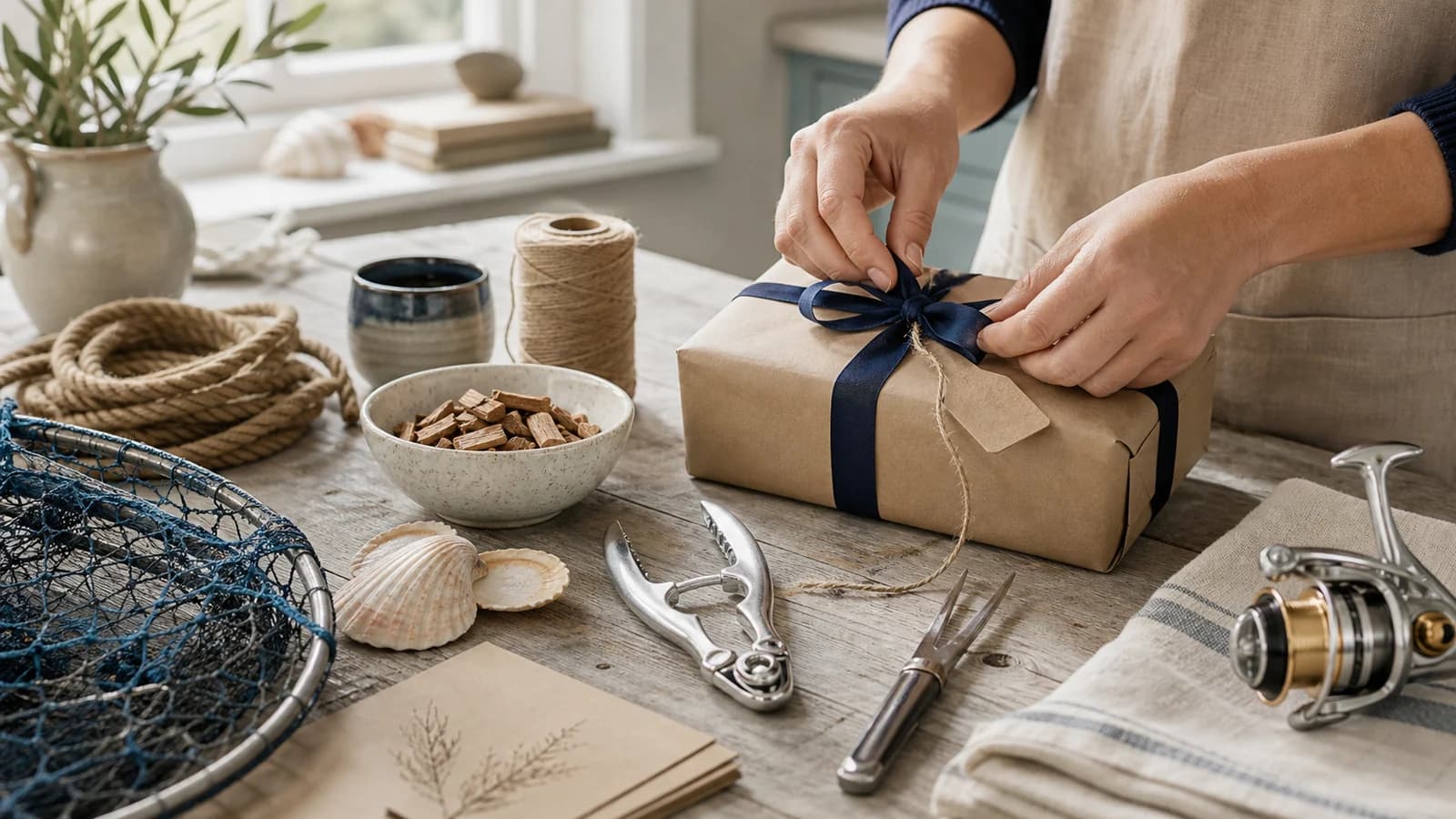
You do not need much: a sturdy basket or a net bag that lets sand and water fall through, a small knife or scissors, wellies or grippy boots, gloves for barnacled rocks, and a tide table. Comfortable and dry beats clever every time.
Read the tide and the weather
Always forage a falling tide and know exactly when it turns — the sea comes back in faster than you think, and rocks that felt safe can cut you off. Check the forecast, keep an eye on the swell, and never put yourself between the water and a cliff.
Forage so there is some left
Take only what you will actually use, never strip a patch bare, cut rather than uproot, and leave the young and the breeding to carry on. Healthy shores are a shared thing; the next family deserves to find them as good as you did.
Easy places to begin
Around Cornwall, good starters are rock samphire and sea beet on the cliffs, mussels and cockles on clean, sheltered shores, and a few common edible seaweeds on rocky ledges. Pick one to learn this season and build from there — our other foraging guides walk you through each.
Common questions
- What can you forage from the beach in the UK?
- Plenty — common edible seaweeds such as sea lettuce and dulse, cliff and saltmarsh plants like rock samphire and sea beet, and shellfish such as mussels and cockles on clean shores. Learn one or two species really well before you branch out.
- Do I need a licence to forage on the coast?
- No licence is needed to forage for your own use in most tidal areas, but you must not pick in nature reserves, SSSIs or other protected sites, and you need the landowner's permission to be on private land. Shellfish gathering is also covered by local byelaws.
- Is coastal foraging safe for beginners?
- Yes, if you follow a few golden rules: never eat anything you cannot identify with total certainty, gather only from clean water, forage a falling tide, and tell someone where you are going. Caution is the beginner's best friend.
- What kit do I need to start foraging?
- Very little — a basket or net bag, scissors or a small knife, grippy boots or wellies, gloves for barnacled rocks, and a tide table. Comfortable and dry beats clever every time.
- When is the best time to go coastal foraging?
- Head out on a falling (receding) tide so you have plenty of time before it turns, and pick a calm, dry day. A spring tide exposes the most shore. Always check the tide times and forecast before you set off.