The full guide
Read straight through, or use the foraging notes above to keep each coastal trip careful and simple.
Plan a responsible seaweed-foraging visit: check permissions, local advice, tide and weather, and know when to leave a harvest alone. For seaweed names and identification, start with our separate species guide.
How to identify edible seaweed at the beach, step by step
Start with where it is growing: note whether it is attached to rock by a holdfast or lying loose, and how far down the shore it sits. Then look at the frond: sheet-like, strap-like, branched, bladdered or bushy, and whether it has a midrib. Note the colour group, green, red or brown, remembering that colour fades and changes as seaweed dries. Photograph the whole seaweed, including the base, beside something for scale. Finally, compare all of these features with a recognised species guide and ask someone experienced to confirm. If any feature does not match, treat it as unidentified.
Easy groups to start with
Some seaweeds are easier to place in a group than others: thin green sheets on rocks and in pools, wracks with air bladders on the mid-shore, and long kelp blades at the very bottom of the tide. Grouping is a first step, not an identification. Our seaweed identification guide describes common edible species, their lookalikes and the seaweeds to avoid.
Decide whether this is an observation trip
A first visit can be about photographs and learning rather than food. If identification, permission or the suitability of the site is uncertain, do not gather. The seaweed identification guide explains names and features; this page is the planning checklist, not a second species catalogue.
Check permission and local restrictions
Establish who manages the shore and check current site notices, protected-area conditions and local gathering rules. Public access does not automatically establish harvesting permission. Use our foraging-rules guide as a starting point and verify the requirements for the exact site.
Check local advice, not just clear-looking water
Do not infer safety from water clarity, a remote location or rinsing. Check current local pollution and food-safety advice. If you cannot establish whether a site and harvest are suitable, leave the seaweed in place and buy food from a reputable supplier instead.
Plan the route around tide and weather
Check the tide and forecast for the intended location, including your return route. Avoid being cut off by channels, headlands or rising water. Do not reach farther down the shore simply to find a particular species. Tell someone your plans and carry a means of calling for help.
Prepare for learning without damaging the shore
Take suitable footwear, weather protection, a recognised guide and a camera. Observe without pulling seaweed from rocks or disturbing attached wildlife. If a qualified local guide is leading a permitted gathering activity, follow the site-specific limits and their instructions rather than applying a generic harvest quota.
Stop if any essential check is unresolved
Uncertain identification, unclear permission, a pollution warning or a risky return route are reasons not to gather. Drying, smoking or a kitchen rinse is not a workaround for an unsuitable harvest. This page does not provide a preservation process or a shelf-life claim.
After the visit
Review your photographs with an appropriate identification resource, record what you learned and leave plants and wildlife undisturbed. If you want to contribute observations, use the Natural History Museum’s seaweed recording project. Keep food preparation separate from an unverified identification exercise.
Read more before you forage
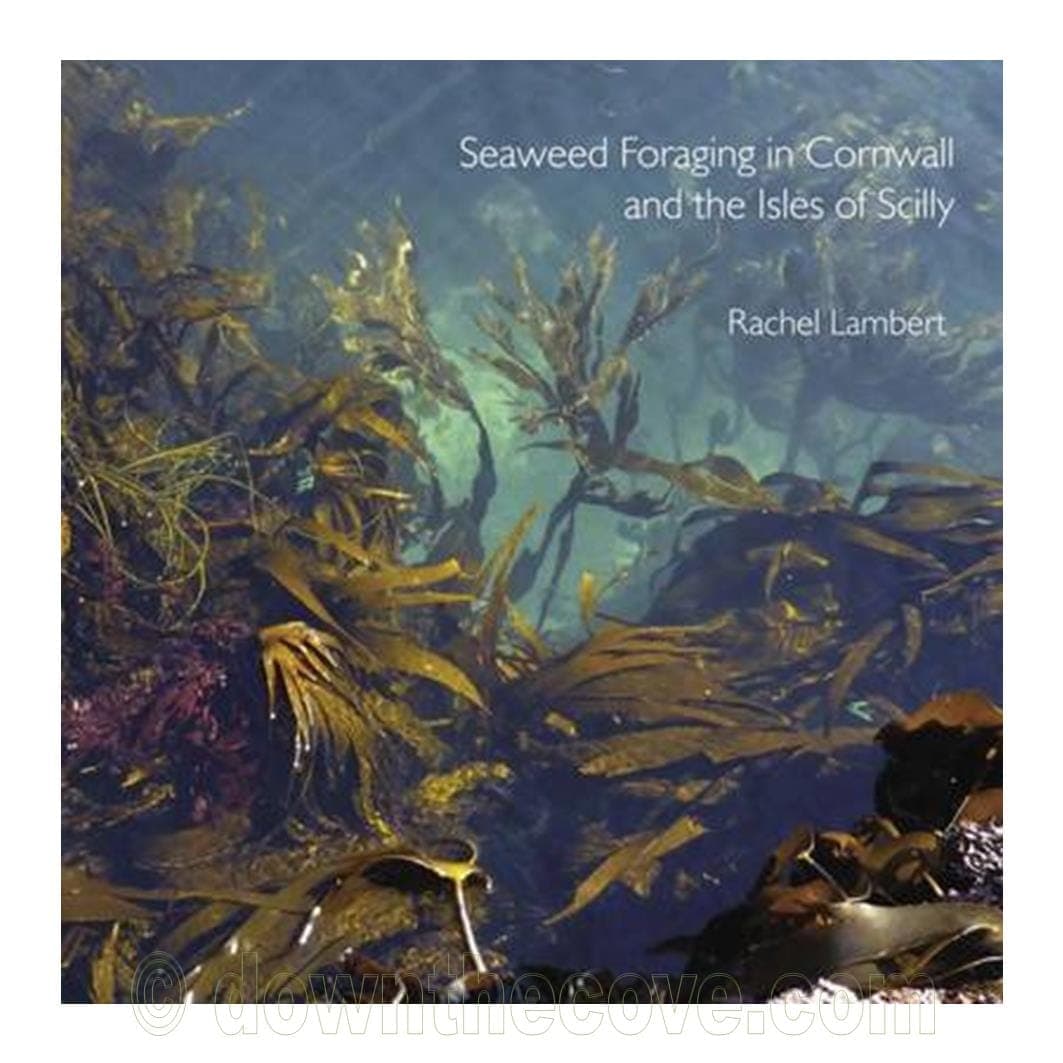
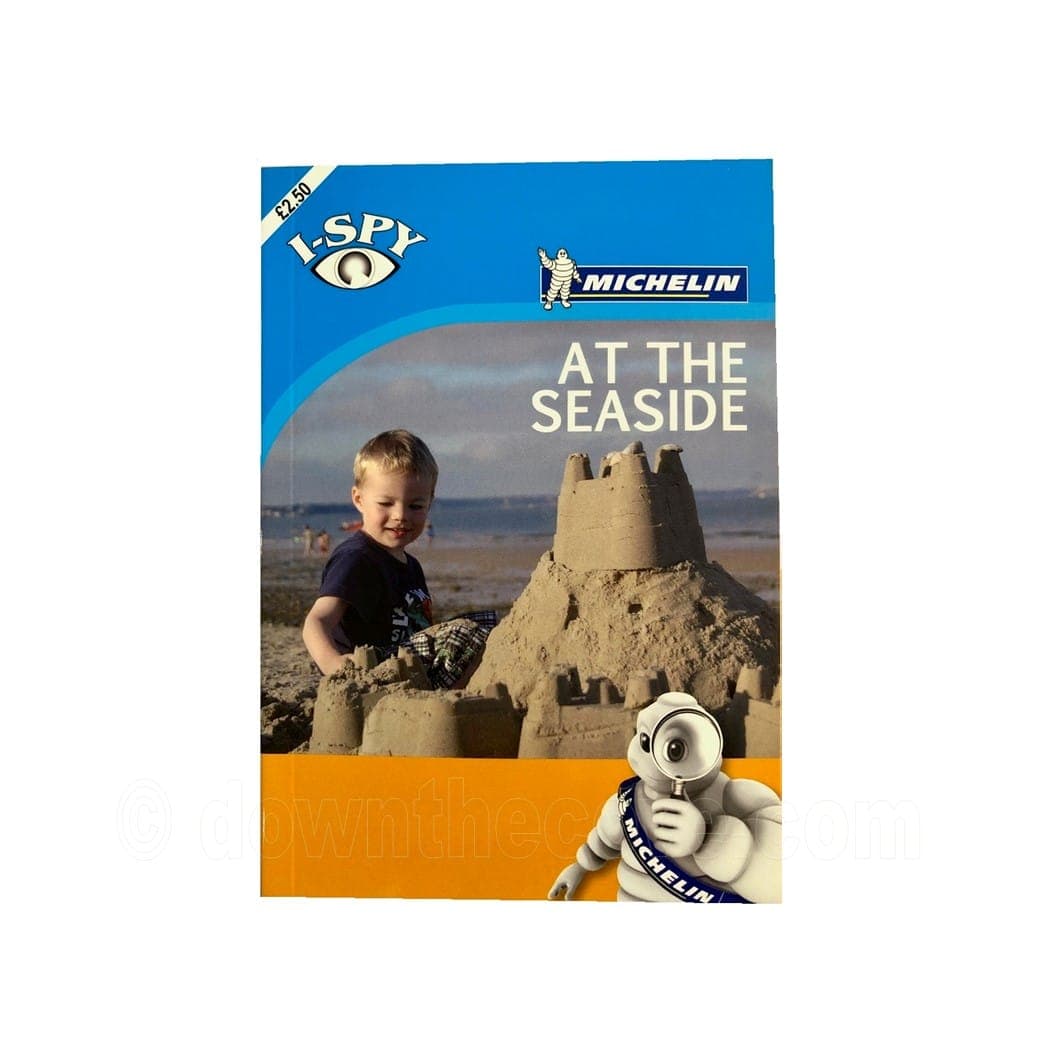
Rachel Lambert's guide to seaweed foraging in Cornwall, plus a seaside spotting book for young explorers.
Common questions
- Does clear water mean seaweed is safe to collect for food?
- No. Appearance does not establish contamination status or suitability for food. Check current local advice, permissions and identification; do not gather when these remain uncertain.
- Can I simply cut a little from any beach?
- No. Check permission, protected-area restrictions and site-specific guidance first. Access to the shore is not blanket harvesting permission.
- Does this page identify edible species?
- Use our seaweed identification guide for names and features. This companion page covers planning and reasons not to gather.
- Can smoking make an uncertain harvest safe?
- Do not use smoking, drying or rinsing as a substitute for establishing suitability. This guide does not validate a food or preservation process.
- How do you identify edible seaweed at the beach?
- Note where it grows and how it is attached, its frond shape, midrib and colour group, photograph the whole seaweed, then compare it with a recognised species guide and ask an experienced forager to confirm. If anything does not match, do not eat it.