Edible seaweed: identification comes before gathering
Sea lettuce and purple laver are examples of seaweeds used as food, but a familiar common name does not identify your find. Compare the whole organism with a reliable species guide and obtain experienced help. Do not taste an unknown specimen to identify it or treat this short overview as permission to eat it.
Sea lettuce: green, sheet-like fronds
The Wildlife Trusts describes sea lettuce as green, translucent, ruffled sheets, often attached to rocks or found in rock pools. Record its shape, attachment and habitat as well as colour. A description or photograph alone is not enough to assess the suitability of a particular harvest for food.
Purple laver: thin purplish-brown membranes
Purple laver has very thin membrane-like fronds and attaches to rock with a small holdfast. Its appearance differs from the green sheets of sea lettuce, even though common food names sometimes overlap. Use the linked species account to study the features without scraping it from its home.
Kelp, wracks and other names need more detail
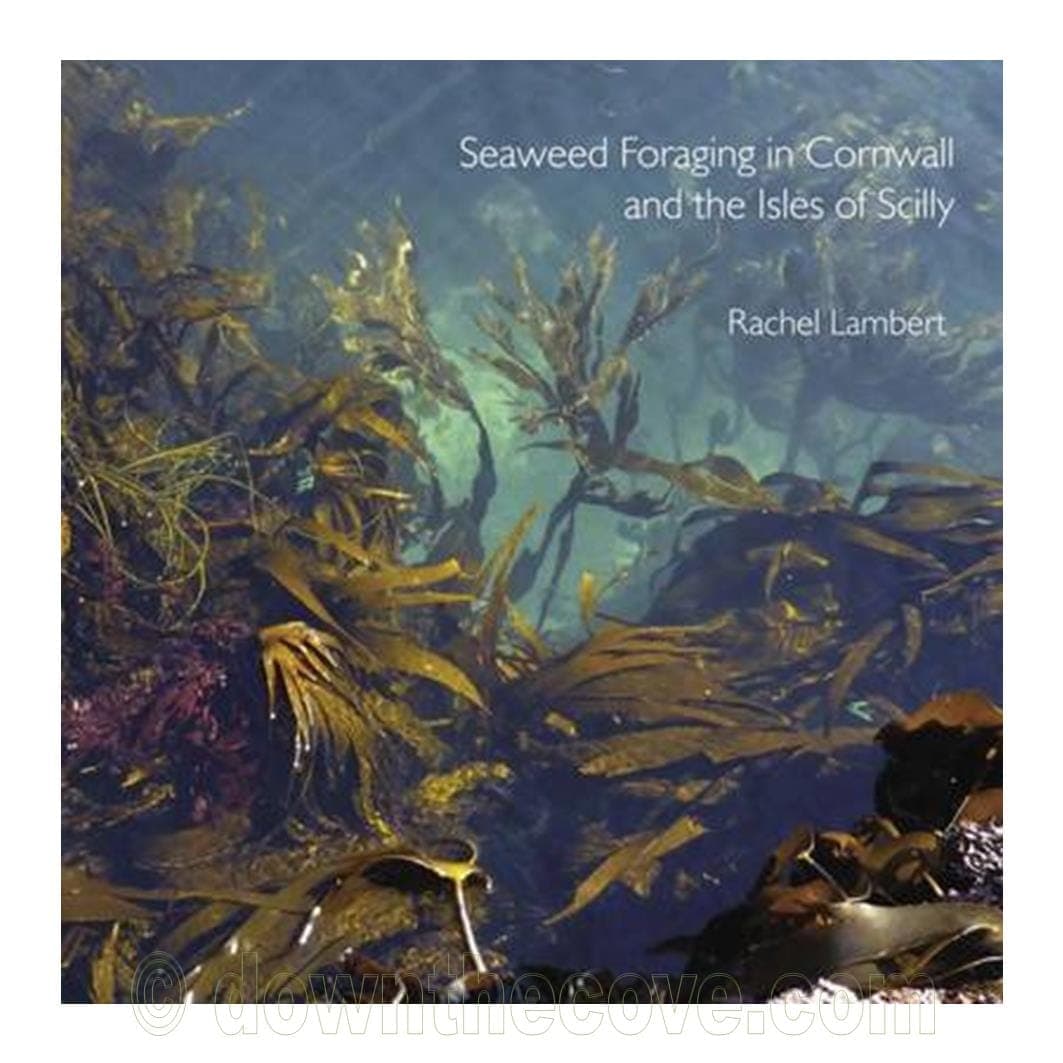
Large brown fronds are not a sufficient identification. Kelp, wracks and other brown seaweeds include different species; a food label such as kombu is not a blanket name for whatever kelp you find locally. Use a species-level guide rather than making substitutions from colour or size.
Samphire is not a seaweed
Samphire, sea kale and sea beet are shoreline plants, not marine seaweeds. Their identification and habitats need separate treatment. Follow the samphire guide for that topic; do not use the old catch-all label “sea vegetables” as an identification shortcut.
A species name is not a safety certificate
Contamination, handling and the amount eaten also matter. Rinsing does not establish that a harvest is safe. The NHS notes that too much iodine can affect thyroid function; this page does not recommend a dietary amount or seaweed as a treatment. For food, a reputable supplier with clear instructions is an alternative to an uncertain wild harvest.
Learn by observing
Photograph fronds and their habitat without disturbing the shore, then compare your notes with recognised identification resources. The Natural History Museum’s Big Seaweed Search provides a structured observation activity. For permissions, tides and whether to gather at all, use our separate visit-planning guide.