


Details
About the Seaweed Foraging in Cornwall Book by Rachel Lambert
Most books on seaweed are either field guides or cookbooks. This one is both: an edible seaweed book that helps you recognise what you're looking at on the shore, and a seaweed recipe book for when you get home.
Rachel Lambert is a forager based in Penzance who has led foraging walks in West Cornwall since 2007 and is a member of the Association of Foragers. Her other books include Wild Food Foraging in Cornwall and the Isles of Scilly and Wild Food Foraging in Devon.
The book introduces sixteen edible seaweeds, some well known and some less familiar, including sea spaghetti, sea lettuce, carrageen, laver, dulse and sugar kelp. For each one there's help with identification and notes on its nutritional qualities, and the recipes put them to use in the kitchen.
There's a seasonal guide too, so you know which seaweeds are at their best when. In a Great British Life interview, Rachel called pepper dulse the 'truffle of the sea'.
Rachel Lambert's Seaweed Foraging in Cornwall and the Isles of Scilly is part of the Pocket Cornwall series: a 104-page soft cover about 15cm square, small enough for a coat pocket or rucksack. First published by Alison Hodge in 2016, it has been reprinted in 2017, 2020 and 2023, and the author says it's relevant to coastal areas across Europe and beyond.
Before you pick, follow Cornwall's seaweed harvesting code, produced by Natural England with the Crown Estate, the Cornwall and Devon IFCAs, the National Trust and Cornwall Wildlife Trust. Get the landowner's permission, cut by hand, take less than a third of any plant, always leave the holdfast attached to the rock, and keep clear of seabirds and seals.
Pick away from outfalls and estuaries, and in the bathing season check the Environment Agency's Swimfo or the Safer Seas & Rivers Service app for pollution warnings. Seaweed expert Professor Michael Guiry says no British seaweed is known to be truly poisonous, but acid weed (Desmarestia) is best avoided, so only eat what you've identified with certainty.
16 edible seaweedsIdentification, nutrition and a seasonal guide.
32 recipesStep by step, with over 90 photographs.
Pocket size104 pages, about 15cm square.
Award winnerGourmand World Cookbook Awards 2017.
Specifications
The details
AuthorRachel Lambert
SeriesPocket Cornwall
First published2016, Alison Hodge, Penzance; reprinted 2017, 2020, 2023
FormatSoft cover, 104 pages
SizeAbout 15 x 15cm
Inside16 edible seaweeds, 32 step-by-step recipes, over 90 photographs
AwardGourmand World Cookbook Awards 2017, national winner, Fish category
SKUBC-10020
Would buy again
Quality is better than I expected.Brilliant
Fast delivery and it is great.Worked nicely
Excellent, no complaints.Really pleased
Looks nice enough.Every review is shown, low scores included. The breakdown chart appears from 10 reviews.
FAQs
Questions about the Seaweed Foraging in Cornwall Book by Rachel Lambert
How many seaweed varieties does the book cover?
Sixteen edible seaweeds found around Cornwall and the Isles of Scilly, including sea spaghetti, sea lettuce, carrageen, laver, dulse and sugar kelp, with identification and nutrition notes for each, 32 recipes and over 90 photographs.
Does it include recipes?
Yes, 32 step-by-step recipes, so it works as a seaweed recipe book as well as a field guide. Seaweed can be used fresh or dried, and the book shows how to bring these sea vegetables into everyday cooking.
Which area does the book cover?
Cornwall and the Isles of Scilly, where Rachel Lambert forages and teaches. Many of the seaweeds grow along other coasts too, and the author says the book is relevant to coastal areas across Europe and beyond.
Is it a good edible seaweed identification book?
It's a practical one for beginners, with photographs and notes for each of the 16 seaweeds. No book can replace care on the shore: only eat seaweed you've identified with certainty, and avoid acid weed (Desmarestia), which experts say is best left alone.
Do I need to check local rules before foraging?
Yes. You need the landowner's permission, often the Crown Estate, the National Trust or a private estate, and protected sites such as Marine Conservation Zones and SSSIs have extra rules. Cornwall's seaweed harvesting code says cut by hand and always leave the holdfast.
Who wrote Seaweed Foraging in Cornwall?
Rachel Lambert, a Penzance forager who has run foraging walks in West Cornwall since 2007. She's a member of the Association of Foragers and has written several other foraging books, including Wild Food Foraging in Cornwall and the Isles of Scilly.
Is it a good gift?
Yes, for cooks, walkers and anyone who loves the Cornish coast. It's an award-winning foraging book that fits in a pocket, and you can add gift wrap and a message at checkout. Our free guides to seaweed foraging and edible seaweeds in the UK go well with it.
Still deciding?
Message our team
We are a small family-run shop. Ask us anything before you order.
Send us a message support@downthecove.comDelivery and returns
Before you order
Packed and posted by our own small team.
Tracked 48£3.50Free over £30Usually 2–3 working days
Tracked 24£4.50Free with Cove ClubAims for the next working day
Returns30 daysFree in the UKUnused and complete; start it from your order
Order by 3pm on a working day and it usually leaves the same day. Remote Scottish areas and the Isles of Scilly £14.95 · Europe £15 · rest of the world £25.DeliveryReturnsTrack an order
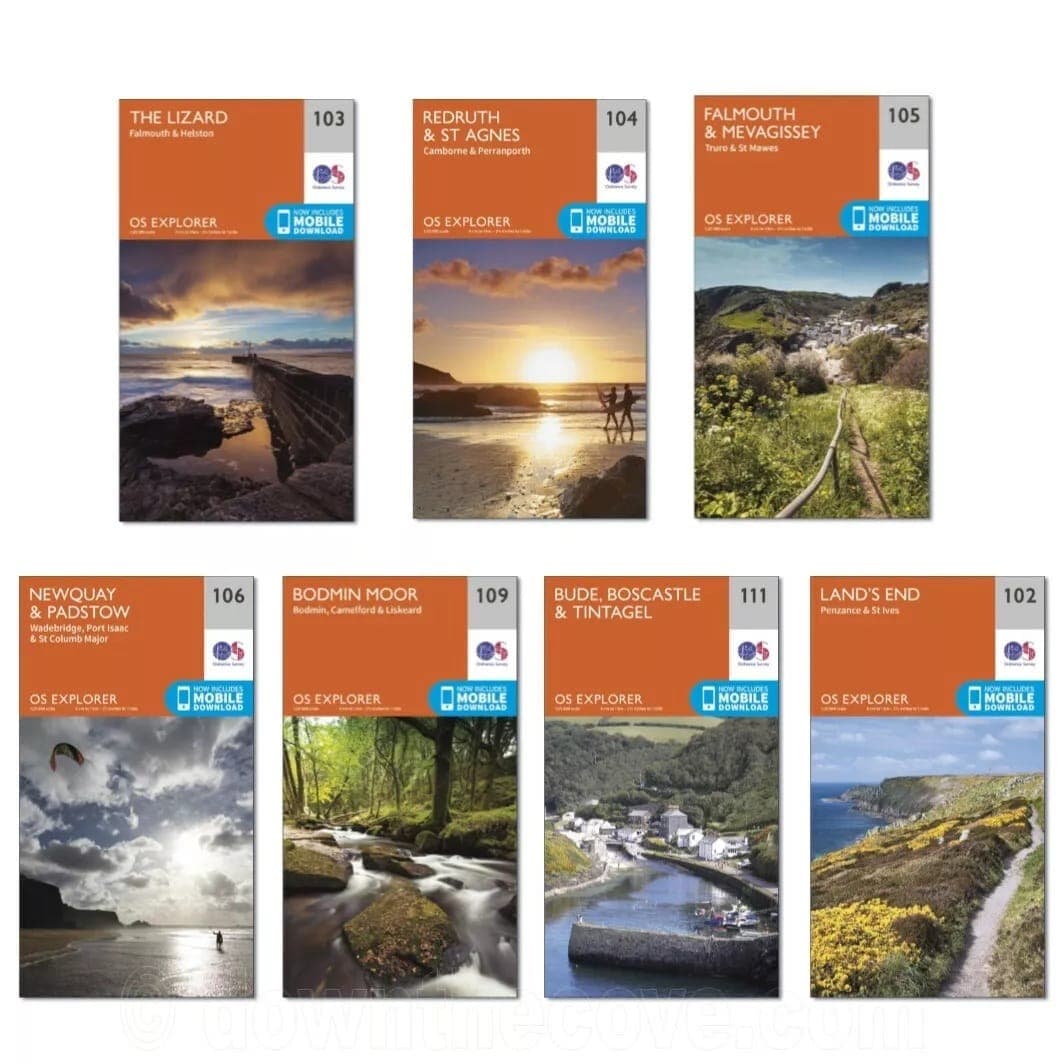
For the coast path
Walks and guides

 Est. 2012
Down The Cove · founded in Cornwall, 2012
A small family-run shop with Cornish roots
- Order by 3pm on a working day and we usually dispatch the same day
- Questions answered by our own small team
- Cove Club members get free delivery and member discounts
- We donate 1% of all profits to Compassion UK
We donate 1% of all profits to Compassion UK, supporting its work with children and communities facing poverty: clean water, healthcare and education. Compassion UK is an independent charity. Visit Compassion UK