The full guide
Read straight through, or use the foraging notes above to keep each coastal trip careful and simple.
Samphire is the taste of the British coast on a plate: crisp, green and properly salty. Two very different plants share the name — marsh samphire out on the estuary mud and rock samphire up on the cliffs — and both are a real joy once you know what you are looking at.
Marsh samphire vs rock samphire
Marsh samphire (glasswort) is the one most people picture: bright green, jointed, succulent little stems growing on salt marsh and estuary mud. Rock samphire is a different plant entirely — feathery, fleshy, aromatic leaves clinging to cliffs and sea walls. Both are edible; just know which you have.
When and where to find it
Marsh samphire is best from late spring through summer, on estuary mud at low tide — the Hayle estuary is a classic Cornish spot. Rock samphire grows above the high-tide line on rocks and walls through the warmer months. A falling tide and a dry day make for easy picking.
How to pick it sustainably
Snip the tops with scissors or pinch them off and leave the roots in the ground, so the plant regrows next year. Take a handful for the table, not a haul — and move along the patch rather than stripping one spot.
In the kitchen
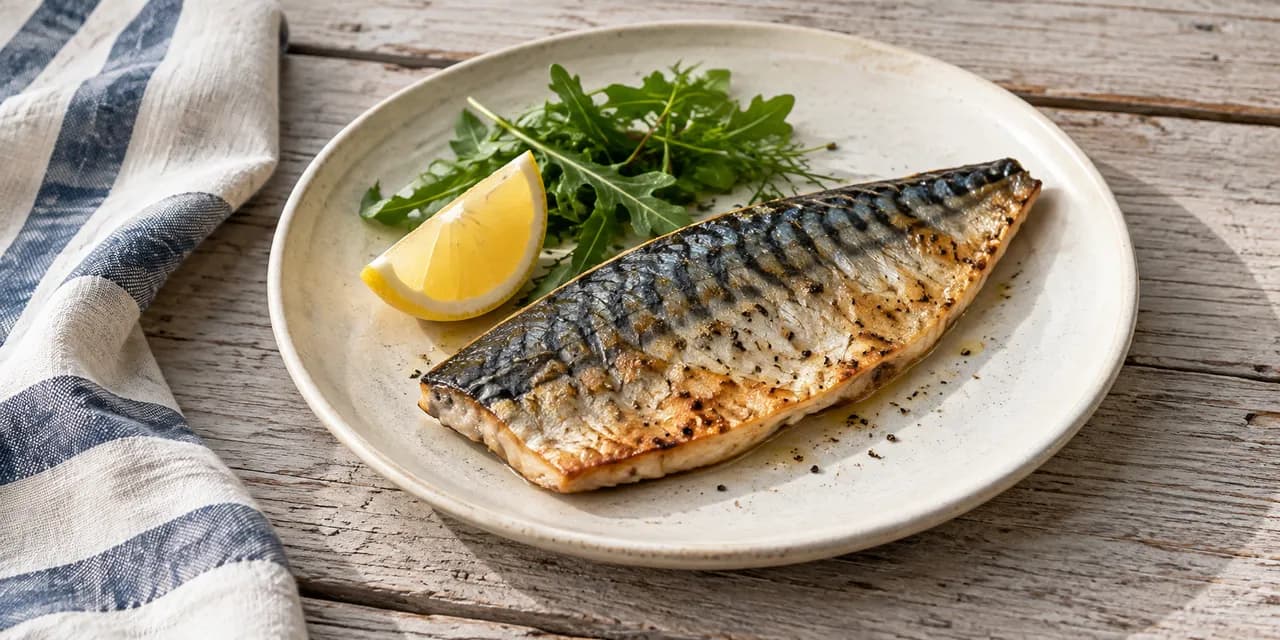
Rinse it really well to lose the grit, then steam or blanch for two to three minutes and toss with a little butter and a squeeze of lemon. It needs no extra salt and is glorious alongside fish — see our seafood and recipe guides for ideas.
A quick safety note
Only pick from clean ground, away from road runoff, car parks and outfalls, and give it a thorough rinse before cooking. If a plant looks unhealthy or you are unsure of the spot, leave it.
More coastal foraging reading
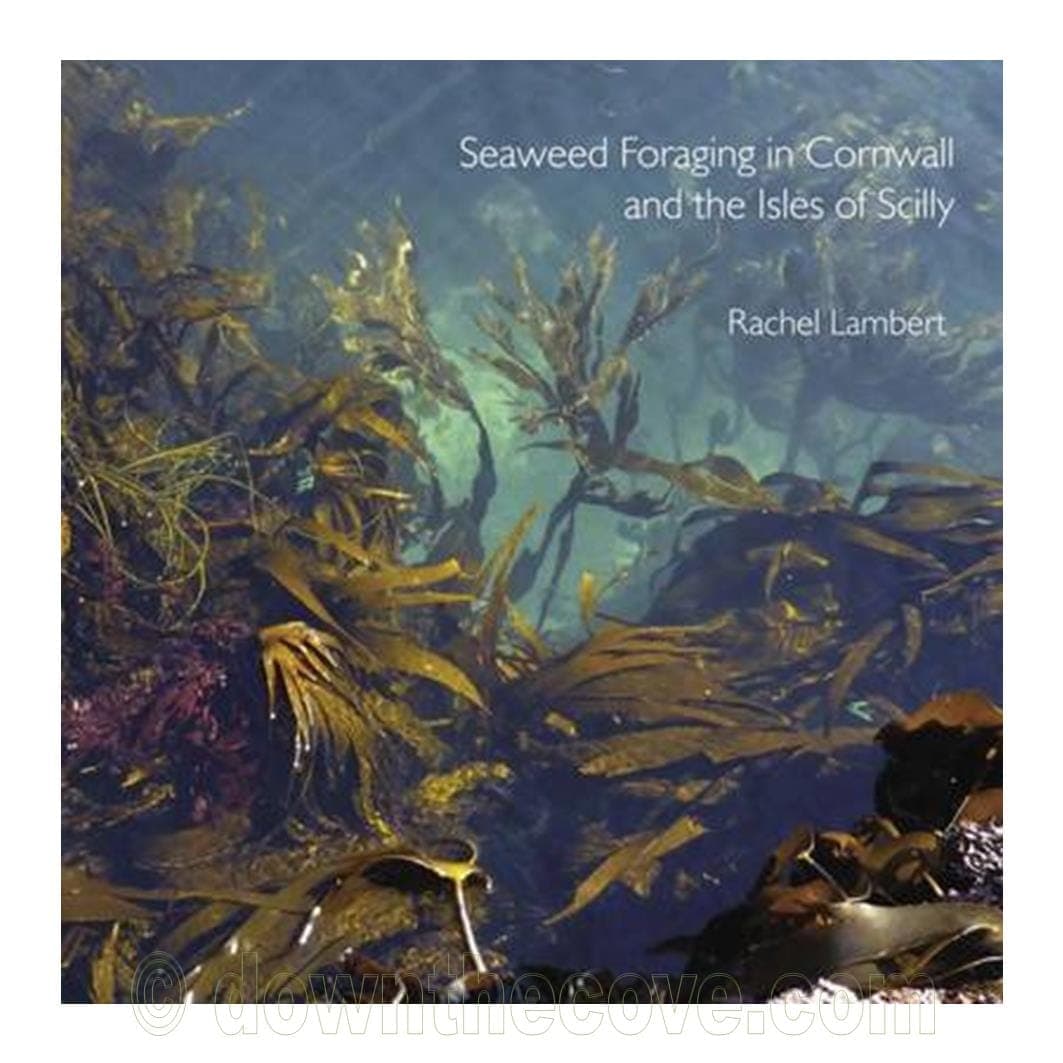
Rachel Lambert's book covers seaweed rather than samphire, but suits the same shoreline trips; plus Cornish fish recipes that go well with samphire.

Common questions
- When is samphire in season in the UK?
- Marsh samphire is at its best from late June through August, traditionally picked after the summer solstice. Rock samphire grows through the warmer months from late spring. A falling tide and a dry day make for easy gathering.
- What is the difference between marsh and rock samphire?
- They are two different plants that share a name. Marsh samphire (glasswort) is the bright green, jointed, succulent stem growing on estuary mud. Rock samphire is feathery, aromatic foliage clinging to cliffs and sea walls. Both are edible — just know which you have.
- How do you pick samphire without harming the plant?
- Snip the tops with scissors or pinch them off, leaving the roots in the ground so it regrows next year. Take a handful for the table, move along the patch rather than stripping one spot, and never uproot it.
- How do you cook samphire?
- Rinse it really well to lose the grit, then steam or blanch for two to three minutes and toss with a little butter and a squeeze of lemon. It needs no extra salt and is glorious alongside fish.
- Where can you find samphire in Cornwall?
- Marsh samphire grows on sheltered estuary mud — the Hayle estuary is a classic spot — while rock samphire clings to cliffs and walls above the high-tide line. Only pick from clean ground, away from road run-off and outfalls.