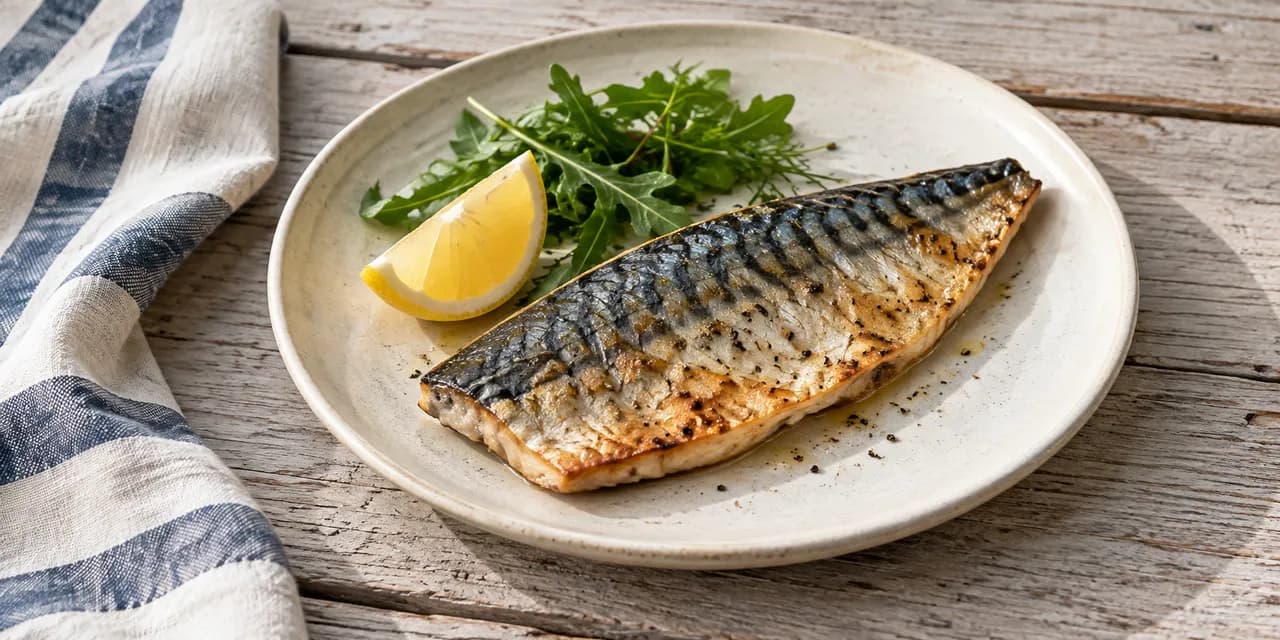
The full guide
Read straight through, or use the seafood notes above to keep buying, cooking and serving simple.
To gut a mackerel, slit the belly from the vent to the gills, pull out the guts, remove the gills and rinse out the dark blood line along the backbone. To fillet one, cut behind the head down to the backbone, turn the knife flat and run it along the bones to the tail, repeat on the other side, then take out the line of pin bones down the middle of each fillet. Below we take both jobs step by step, starting with the part that matters most for flavour and safety: getting your mackerel cold as soon as it is caught.
Kitchen kit for this guide
Seafood prep and kitchen kit chosen to make the guide easier to use.


Do you have to gut mackerel straight away?
Not necessarily the moment it is caught, but you do need to get it cold straight away. Mackerel are oily, soft-fleshed fish that spoil faster than most white fish. Left in a warm bucket or a rucksack on a sunny harbour wall, the belly softens within hours and the flavour turns strong and fishy.
There is a safety reason too. Mackerel belong to a group of fish, along with tuna and sardines, that can build up histamine if they are kept warm after catching. Histamine causes scombroid poisoning, an allergy-like reaction with flushing, headache and a peppery taste in the mouth that comes on soon after eating. A review for Food Standards Scotland names rapid chilling, and keeping the fish below about 2°C, as the most important control, because once histamine has formed, cooking, freezing or smoking will not remove it.
So the routine that works is this. Dispatch each fish as soon as it is landed with a sharp blow to the top of the head just behind the eyes, using a priest such as our disgorger and priest. Put it straight into a cool box with ice or frozen ice packs. Then gut it within a few hours, or as soon as you get home. When the mackerel are shoaling and you are catching several at a time on feathers, keep only what you will eat: a few well-kept fish are worth far more than a bucketful of warm ones.
If you are buying mackerel, look for bright eyes, red gills, firm flesh and a clean smell of the sea. Get it into the fridge as soon as you are home and cook it within a day or two.
What you need
Not much. A sharp knife with a thin, slightly flexible blade of around 15cm (6 inches) is ideal. A proper filleting knife makes the job easier, but any sharp, thin kitchen knife will cope with mackerel. A blunt knife is the real problem: it tears the soft flesh and is more likely to slip.
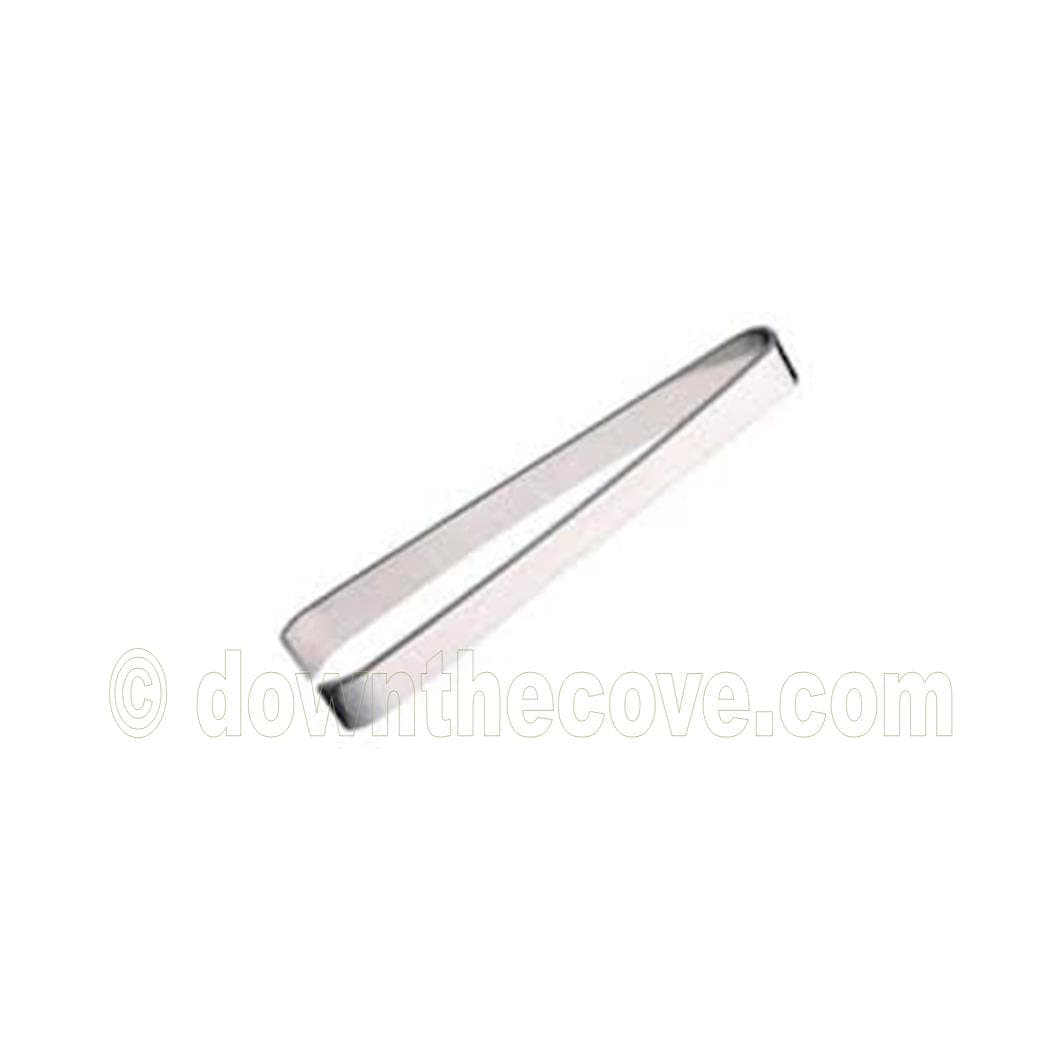
You will also want a chopping board you can scrub clean, kitchen paper, a bowl or bag for the guts, cold running water and, if you want boneless fillets, a pair of fish bone tweezers. On the beach or on a boat, a bucket of clean seawater is handy for rinsing. Keep the board dry so the fish does not slide about, cut away from the hand that is holding the fish, and take your time: mackerel are slippery.
How to gut a mackerel, step by step
Step 1: rinse the fish and lay it on its side on the board with the belly towards you. Mackerel scales are tiny, so there is no need to scale them.
Step 2: find the vent, the small opening on the underside towards the tail. Push the tip of the knife in just far enough to pierce the skin, then cut forwards along the middle of the belly to the point under the head where the gills meet. Keep the cut shallow, with the blade angled up and away from the guts, so you open the belly without slicing into the gut sac.
Step 3: open the belly with your thumb, take hold of the guts at the head end and pull them out towards the tail. They come away easily in a fresh fish. If they cling on at the throat, snip through the attachment with the tip of the knife.
Step 4: remove the gills, which spoil quickly and give a bitter taste. Cut through where they join at the throat and at the top behind the head, then pull them out. If you do not need to keep the head on, it is quicker to cut it off just behind the gills.
Step 5: look inside the cavity and you will see a dark red line running along the backbone. This is the blood line, which is actually the fish's kidney. Scrape it out with a thumbnail or the tip of a teaspoon under cold running water, rinse the whole cavity, then pat the fish dry inside and out with kitchen paper.
That is a gutted whole mackerel, ready to grill, bake, barbecue or smoke. If you are cooking it whole, cut two or three shallow slashes into each side so it cooks evenly, and season inside the belly. Our baked mackerel with English mustard is an easy place to start, and our guide to preparing and smoking mackerel covers the smoker.
How to fillet a mackerel, step by step
Step 1: lay the gutted fish on its side. Make an angled cut just behind the head and the pectoral fin (the small fin behind the gill cover), slicing down until you feel the knife meet the backbone. Do not cut through the backbone.
Step 2: turn the knife so the blade lies flat along the backbone, pointing towards the tail. Keeping the blade pressed lightly against the bones, slice along the length of the fish to the tail in long, smooth strokes rather than short sawing ones. The rib bones on a mackerel are fine and soft, so the knife can glide over or through them. Lift the fillet away.
Step 3: turn the fish over and repeat on the other side. The second fillet is a little trickier because the fish is less stable, so steady it gently by the head and let the knife do the work.
Step 4: trim. Lay each fillet skin side down. If a row of rib bones has come away along the thick belly edge, slide the knife just underneath them and cut them away in a thin sliver, taking as little flesh as possible. Neaten any ragged edges on the thin belly flap, then take out the pin bones (see below).
Do not throw the heads and frames straight in the bin. Mackerel heads and frames make good bait for crab lines and drop nets, and they freeze well in a bag for your next trip; see our guide to the best bait for crabbing.
Can you fillet a mackerel without gutting it?
Yes, and many anglers do, because it is quicker and keeps the mess in one piece. The guts sit in the lower front part of the body, so with care you can take both fillets off without opening the belly at all.
Make the cut behind the head down to the backbone as normal, then run the knife along the backbone towards the tail, keeping the blade just above the belly cavity. Once you are past the end of the cavity, push the blade through and carry on to the tail. Lift the fillet away and trim off the thin belly section, which is where any traces of the gut lining would be. Repeat on the other side and you are left with two clean fillets and a frame with the guts still inside it.
Ungutted fish spoil faster, so only use this method on fish that have been kept cold and that you are filleting the same day.
How to remove the pin bones from mackerel
Every mackerel fillet has a line of fine pin bones running down the middle from the head end, usually for the first third to half of the fillet. Run a fingertip down the centre of the fillet, head end first, and you will feel them as a row of small points.
With tweezers: pull each bone out in the direction it points, towards the head end, holding the flesh down with your other hand so it does not tear. It takes a couple of minutes per fillet and keeps the fillet whole, which is best for grilling or pan-frying with the skin on.
With a V-cut: cut down either side of the line of pin bones at a slight angle, so the two cuts meet underneath the bones, and lift out the thin strip of flesh that contains them. It is quicker and very reliable, but it splits the front half of the fillet in two. That does not matter for pâté, fishcakes, smoking or curing.
If you are making pâté or hot-smoking, you can also leave the pin bones in and pick them out after cooking, when they slide out much more easily.
Should you skin mackerel fillets?
Usually not. Mackerel skin is thin and full of flavour, it crisps up well in a hot pan or under the grill, and it helps hold the soft fillet together. To pan-fry, cook the fillets skin side down in a hot, lightly oiled pan for two to three minutes, until the skin is crisp and the flesh has turned opaque most of the way up, then turn them for the last 30 seconds to a minute.
If a recipe calls for skinless fillets, lay the fillet skin side down, start at the tail end and hold the skin firmly; a pinch of salt on your fingers helps the grip. Slide the knife between the skin and the flesh with the blade angled slightly down towards the skin, and push it along while you pull the skin gently the other way.
How long does fresh mackerel keep, and can you freeze it?
Mackerel is at its best on the day it is caught. Gutted, covered and kept in the coldest part of the fridge, it keeps for a day or two. If it smells strongly of fish or ammonia, or the flesh has turned soft and the belly is breaking down, throw it away.
To freeze mackerel, gut or fillet it first and pat it dry, then wrap it tightly in cling film or a freezer bag with the air squeezed out, laying fillets flat so they freeze quickly. Oily fish does not keep its quality in the freezer as long as white fish does, so aim to use frozen mackerel within two to three months. Defrost it in the fridge overnight rather than on the worktop.
If you want to eat mackerel raw or only lightly cured, for example as ceviche or sashimi, be aware that wild mackerel, like cod and herring, can carry small parasitic worms called anisakis. Cooking kills them, and food businesses must freeze fish at specified low temperatures before serving it raw. Home freezers are not as cold, so for raw dishes it is safest to buy fish that is sold as suitable for eating raw.
Gutting other fish, such as plaice
Other round fish, such as bass, pollock, whiting and cod, are gutted in the same way as mackerel: open the belly from the vent to the throat, remove the guts and gills, and clean out the blood line.
Flatfish such as plaice, dab and flounder are different. Their gut cavity is small and sits just behind the head, so you make a short cut into it behind the gill cover, hook the guts out with a finger and rinse it clean. Flatfish are usually filleted differently too, as four thin fillets, two from each side. Our guide to gutting and filleting fish shows plaice and whiting as well as mackerel.
What to do with your mackerel next
Fresh mackerel needs very little: a hot grill or barbecue, salt, lemon and something sharp to cut through the richness, such as horseradish, mustard, rhubarb or gooseberries. It is also the classic fish for home smoking, because its oils take on wood smoke beautifully. Our hot-smoked mackerel recipe and guide to hot-smoking fish take you through it.
Once you have smoked fish to use up, try our smoked mackerel recipes, from pâté to kedgeree. And if you are catching your own, our mackerel fishing guide covers how to find and catch them from the shore.