Fishing method
Spinning
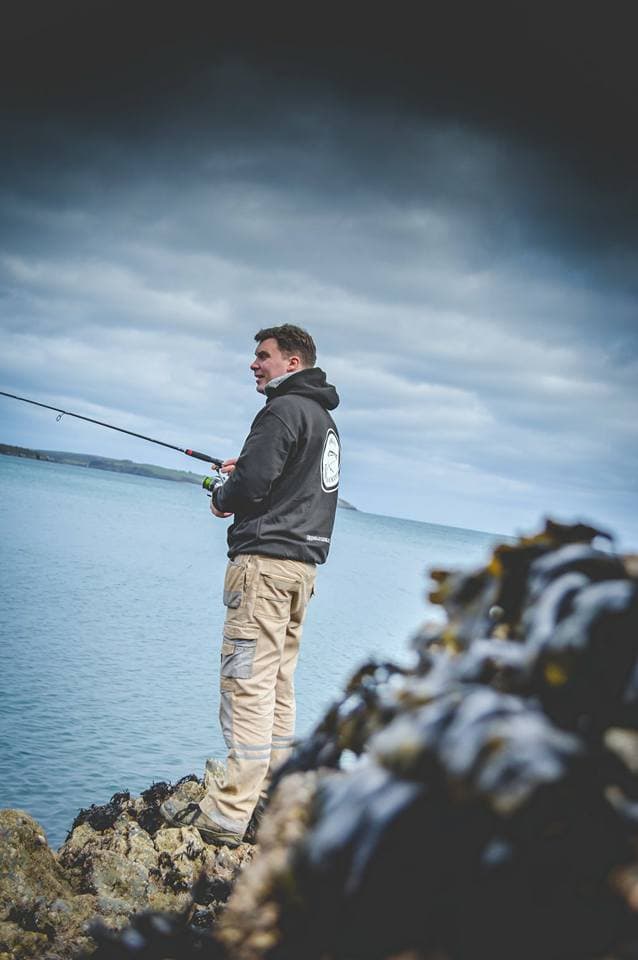
Spinning is lure fishing: cast a suitable lure and retrieve it through the water. The lure’s movement, depth and retrieve pace form the presentation; it is not simply casting as far as possible or reeling as fast as possible.
The essentials
You cast a lure that imitates a small fish or prey and retrieve it so a predator thinks it's an easy meal — movement, depth and speed are everything.
Best for
Active anglers chasing mackerel, bass and pollack with lures from rocks, beaches, harbours and headlands.
How it fishes
Mobile and visual: you keep moving, casting and varying the retrieve until you find feeding fish.
Tackle
A 7-9ft spinning rod rated around 10-40g, a 2500-4000 fixed-spool reel, braid or mono with a leader, and a small selection of metals and soft lures.
Safety
Watch your back-cast for people, mind treble hooks, and take real care over wet rock and rising swell when chasing fish along the shore.
Confidence tip · Travel light and keep moving — a mobile angler with a handful of lures usually out-fishes one weighed down by a full tackle box.
Stay safe
Watch your back-cast for people, mind treble hooks, and take real care over wet rock and rising swell when chasing fish along the shore.
Spinning is lure fishing: cast a suitable lure and retrieve it through the water. The lure’s movement, depth and retrieve pace form the presentation; it is not simply casting as far as possible or reeling as fast as possible.
What equipment do you need?
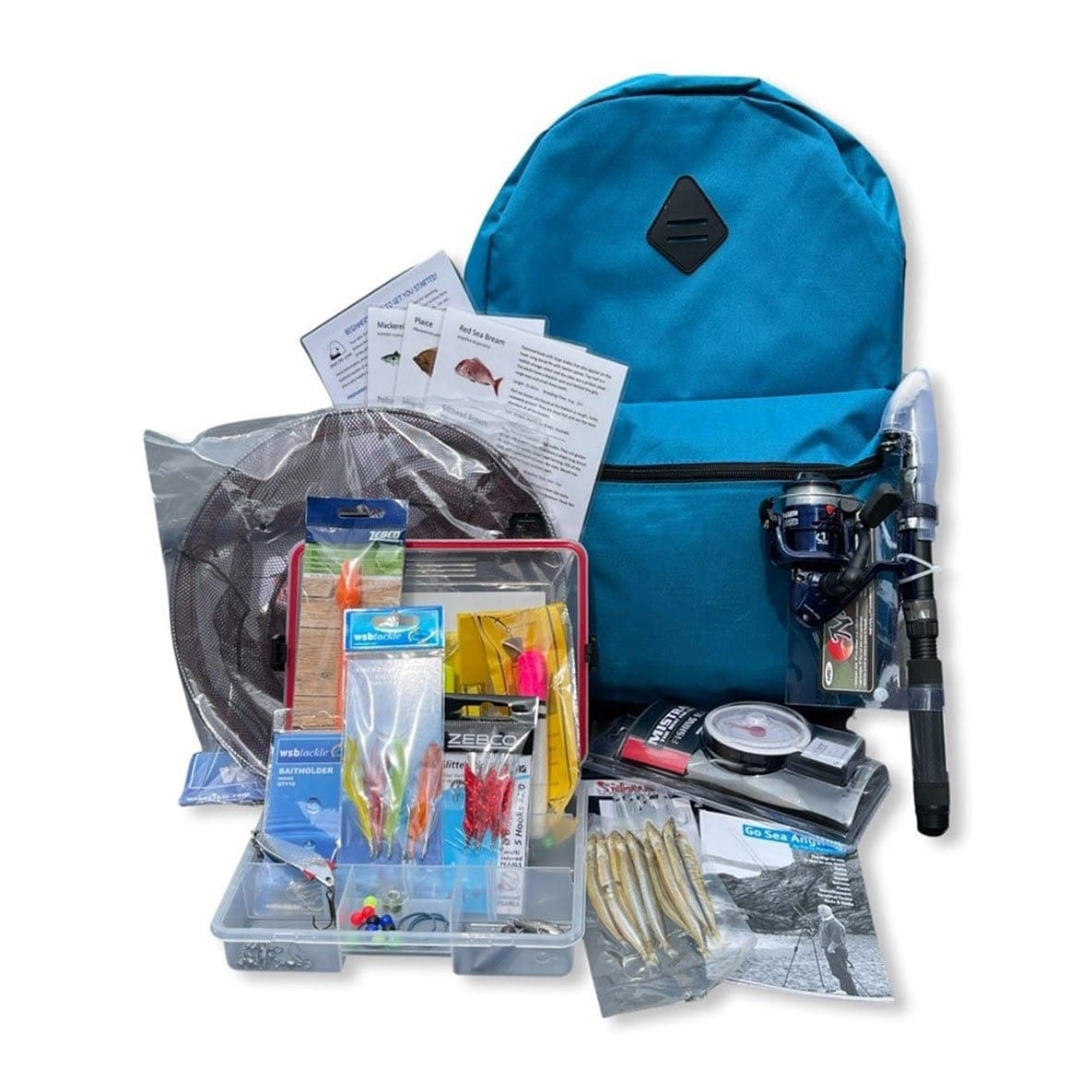
Start with a compatible rod, reel, line and lure, plus the connections and handling tools required for that setup. Check the complete lure weight against the rod’s casting range. A spinning reel describes a reel type; owning one does not mean every lure or rig is suitable for the outfit.
Choose a manageable first lure
Compare weight, hook arrangement and intended use before colour. A single lure can be simpler to manage than a multi-hook feather rig, but still needs care around sharp hooks. For a soft lure, check whether the packet is a complete assembled lure or replacement bodies needing a matched head and hook.
Cast only with a clear space
Learn casting from a competent instructor and follow the rod and reel instructions. Keep people clear behind and beside you as well as ahead. Check tide, weather and access, and choose a permitted position with secure footing. A lure’s advertised action does not make a dangerous mark acceptable.
Understand retrieve and depth
A retrieve brings the lure back using the reel. Pace, pauses and rod movement change its presentation; sinking time also changes the depth. Begin with a controlled approach suited to the lure and ground, then change one variable at a time. Allowing a lure to sink longer can increase snag risk.
If the lure snags or returns tangled
Stop and inspect the line and attachments on land. Keep tensioned line and hooks away from faces and hands; do not wrap line around fingers or pull a snagged hook towards people. Repeated problems call for different tackle or a different safe location, not force.
Choose your next guide
Use the mackerel guide for a species-focused plan or the Fiiish guide for soft-lure replacement parts. Use the lure category to compare current weights and contents. If you do not yet own the core outfit, start with the beginner-kit comparison.
Common questions
Is spinning the same as using a spinner?
A spinner is one kind of lure. Spinning is also used more broadly for casting and retrieving other suitable lures, including soft lures and plugs.
Should I always retrieve quickly?
No. Match the retrieve to the lure, depth and conditions. Change one variable at a time and stay within a setup you can control.