
Useful for your next trip
Useful kit connected to this guide, chosen to keep the next step simple.
Full trigger fish guide
How to spot it, where it lives, how it is caught and how to cook it — the complete guide, in one easy read.
Few fish turn heads like a trigger fish. Oval, armoured and faintly comical, it drifts up from warmer southern seas each summer to haunt our rocky Cornish ground. Don't be put off by the leathery hide: under it sits firm white flesh that is worth every minute of the filleting.
How to spot it
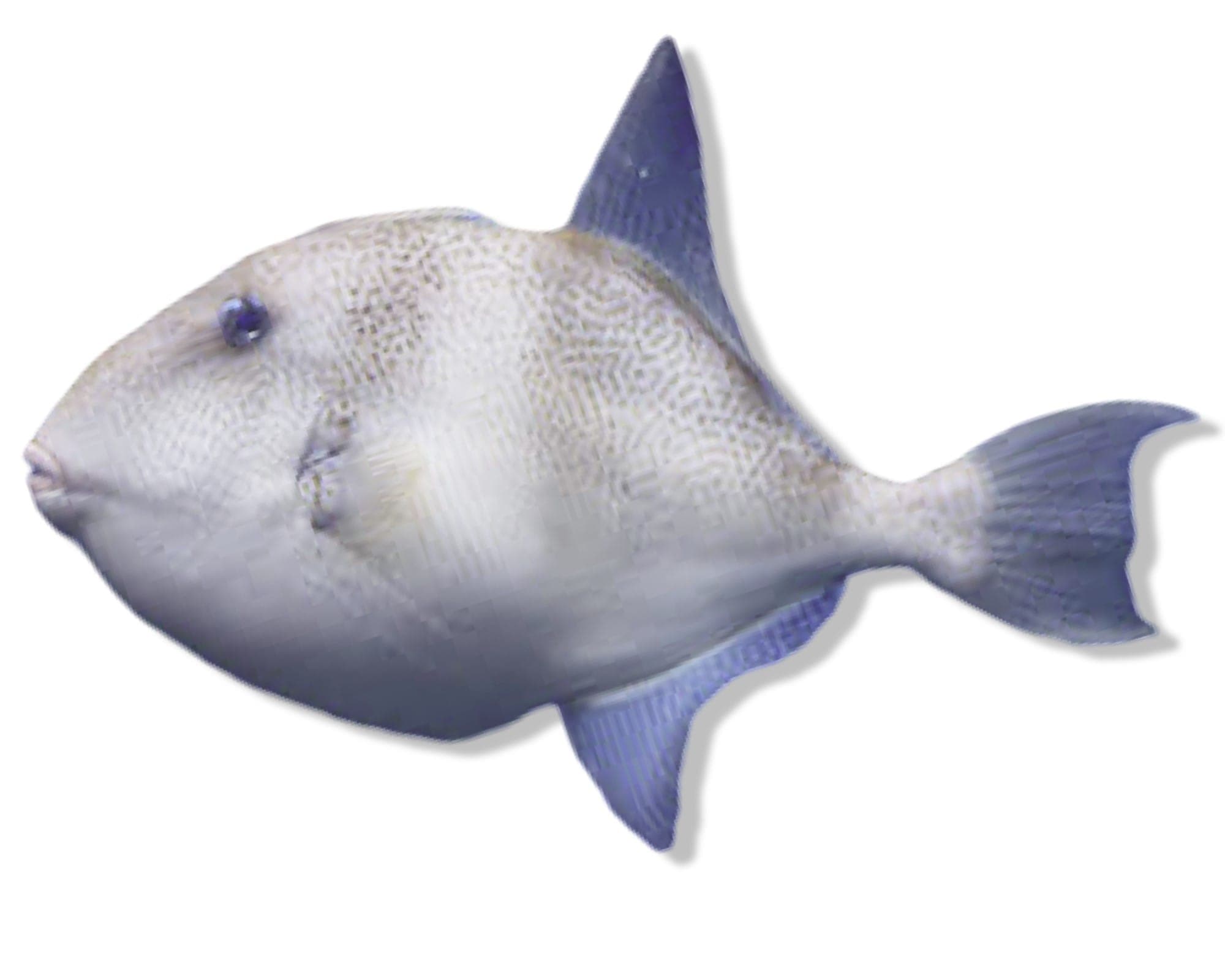
There's little else like a trigger fish once you've held one. The body is oval and noticeably flattened side to side, tapering neatly to the tail, and clad in toughened, almost leathery scales that give a real sense of armour. The head is large, roughly a third of the whole fish, with small eyes pushed well back and a small mouth full of sharp little teeth. Colour shifts from blacky-grey to a browny hue depending on the light and the ground beneath it. The giveaway is the dorsal fin's clever locking spine, which raises and holds rigid.
Where it lives
Trigger fish are creatures of shallow, rocky ground, hanging just off the bottom where reef, boulder and broken structure offer shelter. They visit us in summer: as the sea warms through the season they push up from the south and turn up with far more regularity. Around the Cornish coast, the rocky marks near Porthcurno and Lamorna are about as reliable as it gets, where the broken ground gives them both larder and cover. Look for them holding tight to the reef rather than ranging over open sand.
Catching it
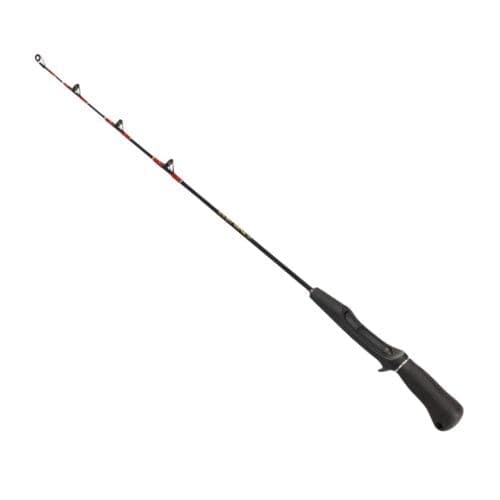
A prawn on a baited hook is what consistently tempts a trigger fish, presented on or very near the rocky bottom where they feed. The trick is patience and a watchful touch, because these are notorious bait-thieves; those small, sharp teeth will leave you reeling in stripped hooks more than once before the hook finds home. Fish the warmer summer months from rocky marks where the ground breaks up, such as the reefs around Porthcurno and Lamorna. They hold so tight to structure that you'll want to mind your footing and your tackle. As ever, take only what you'll use and return the rest, so the marks keep producing season after season.
In the kitchen
The armour is the off-putting part; the flesh underneath is firm, meaty and white, closer to monkfish than to a flaky round fish. A trigger fish is genuinely bony, so don't try to cook it whole. You want to fillet it: slip a sharp knife in behind the head, work down each side of the backbone and skin the fillets off the tough hide. From there it stands up to bolder handling than most white fish. Cut the fillets into chunks and char them on skewers, or sear hard in a smoking-hot pan so the meaty texture catches some colour, with a little chilli and garlic. It can take it.
Related guides and gear
FAQs
Quick fish questions
Short answers for the questions families and coastal readers often ask first.
What is the best bait for trigger fish in the UK?
Prawn on a baited hook is the standout. It consistently tempts trigger fish when presented on or very near the rocky bottom where they feed. Just be ready for them to strip the hook, as those small, sharp teeth make them expert bait-thieves.
Where can you find trigger fish in Cornwall?
They favour shallow, rocky ground, holding just off the bottom near reef and broken structure. The marks around Porthcurno and Lamorna are among the most dependable, especially through the warmer months when they're most reliably about.
When is the best time to catch trigger fish?
Summer is your window. Trigger fish are warm-water visitors, and as the sea heats through the season they push up from the south and turn up with far more regularity along our rocky coast.
How do you fillet a trigger fish?
Take your time with a sharp knife. Cut in behind the head, then work the blade down each side of the backbone to free two fillets, and lift them away from the thick, leathery skin. Triggers are bony, so filleting beats cooking them whole every time.
Are trigger fish good to eat?
They are. A trigger fish gives firm, meaty white flesh that holds together well and takes bold flavours happily. The catch is that they're bony, so fillet rather than cook them whole, then grill or pan-sear the fillets hard.
What size do trigger fish grow to?
Most trigger fish you'll come across run 30-40cm, an oval, flattened fish with a head that makes up around a third of its length. They're a compact but characterful catch off the rocks, and bigger ones do show in warm years.
What does trigger fish taste like?
Firm, meaty and white, closer to monkfish than to a flaky round fish. The flavour is clean and mild, and the dense texture holds together on a skewer or in a hot pan, which is exactly why it is worth the fiddly filleting.