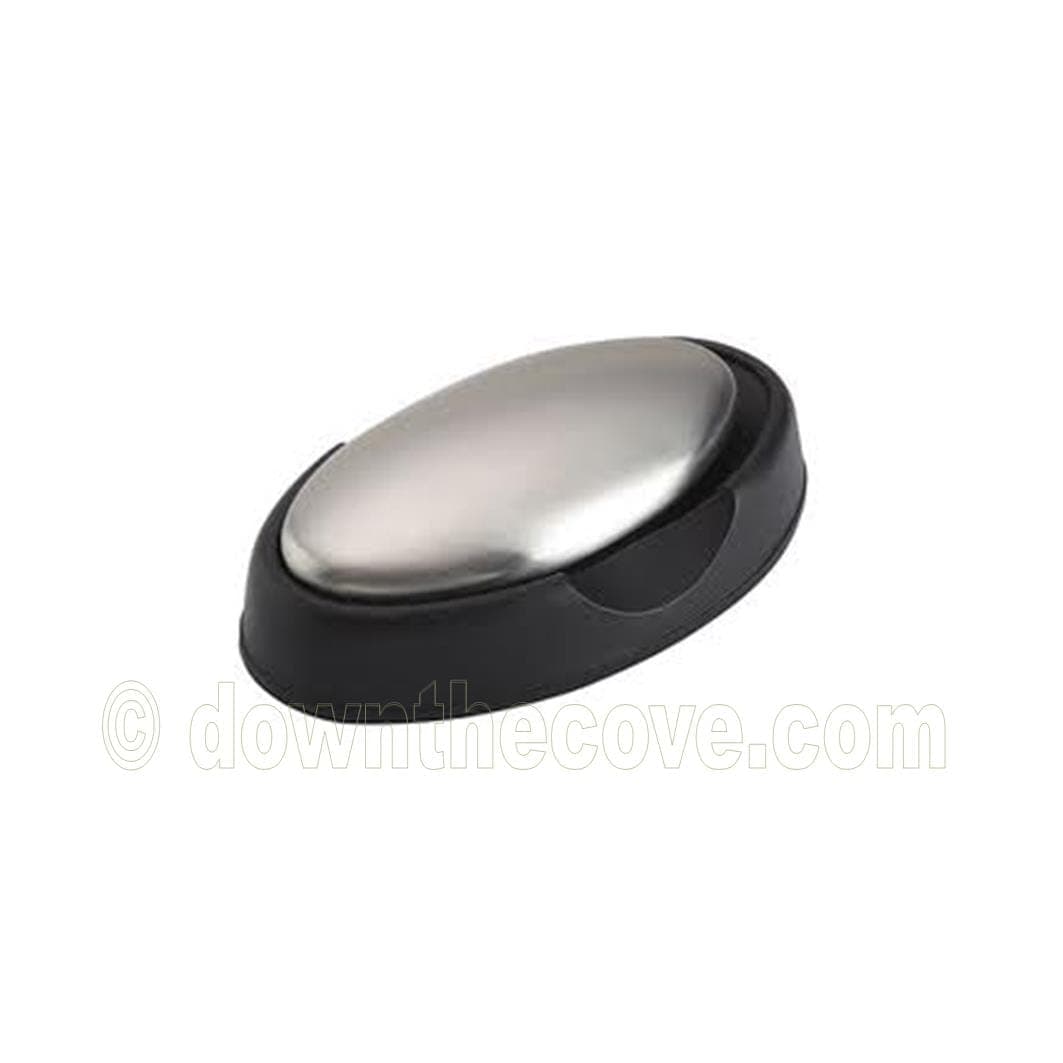
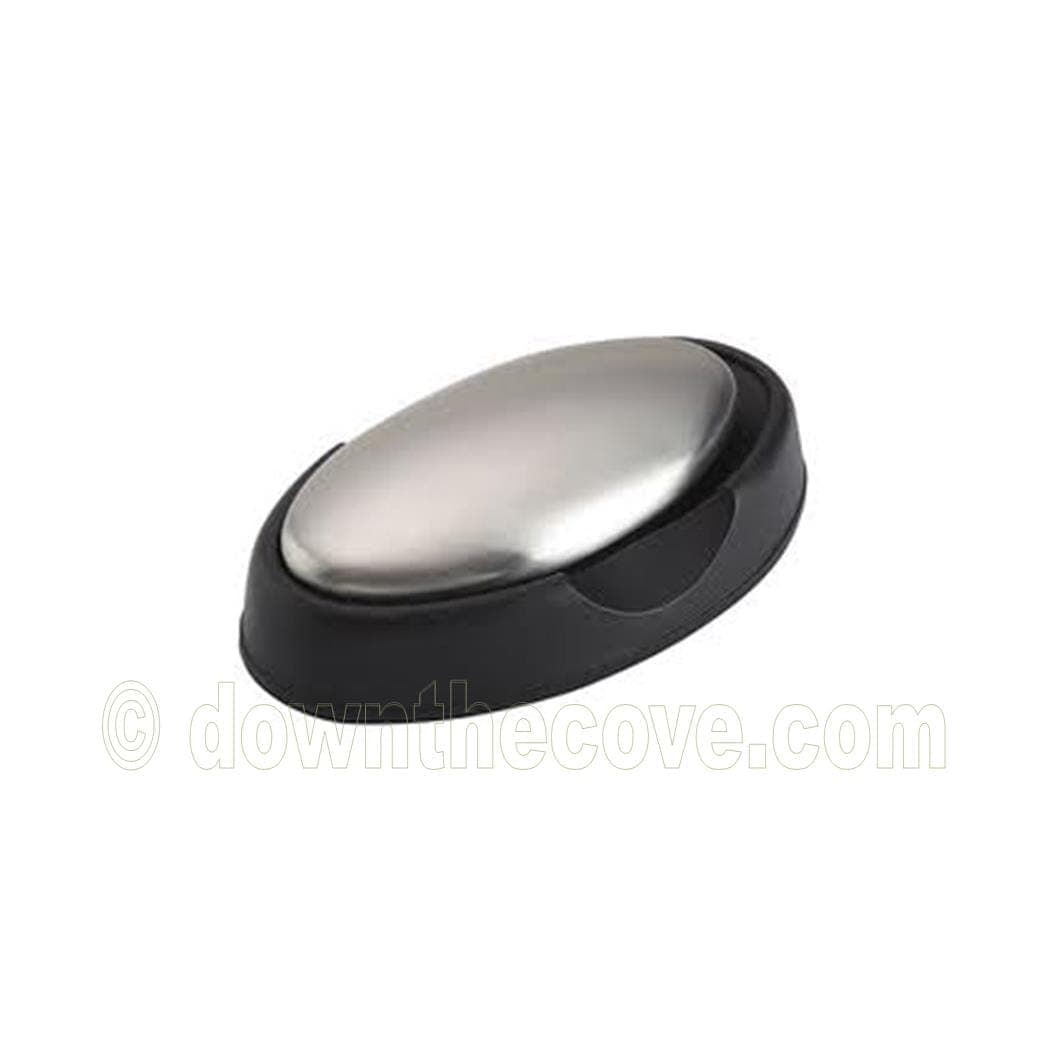
Remove fish smells from your hands
The reusable stainless-steel bar made for the exact problem in this guide — no perfume and no disposable refill.
The full guide
Read straight through, or use the seafood notes above to keep buying, cooking and serving simple.
HOW TO ELIMINATE FISH SMELLS
A guide on why fish smells and how to get rid of the fish odour after cooking.
We are often told by people that they don't like cooking or eating fish because they don't like the smell.
The practical steps below cover hands, surfaces, appliances and the room itself, so everything useful is available on this page.
Start with gentle cleaning, fresh air and the appliance maker's instructions; test acids such as lemon or vinegar on a small hidden area first.
Safety note: follow product and appliance instructions, never mix cleaning products, and test lemon or vinegar on a hidden area before using it on fabrics or surfaces.
Common questions
- Why does fish smell fishy?
- Sea creatures store a compound called trimethylamine oxide (TMAO). Once a fish dies, bacteria break it down into trimethylamine (TMA), which is the fishy smell we know. The fresher the fish, the less it smells.
- How do you stop fish smelling while cooking?
- Start with very fresh fish, keep it chilled until cooking and ventilate the kitchen well. Cooking in a covered pan, foil or parchment helps contain odours; follow the recipe and appliance maker's safety guidance.
- How do you get fish smell off your hands?
- Wash thoroughly with soap and cool water. If an odour remains, use a stainless-steel odour-remover bar under running water and follow its instructions.
- How do you remove fish smell from the kitchen?
- Ventilate while cooking, clean splashes promptly and wash utensils and surfaces with a suitable detergent following their care instructions. Never mix cleaning products.
- Does fresh fish smell less?
- Yes. A strong fishy smell is a sign the fish is past its best, so if a fish smells strongly at the counter, do not buy it.