The full guide
Read straight through, or use the seafood notes above to keep buying, cooking and serving simple.
To eat a lobster, twist off the claws and crack them to pull out the meat, twist the tail away from the body, push the tail meat out in one piece and lift out the dark vein along its back, then pick what you like from the knuckles and legs. It takes about ten minutes the first time, and all you need is a cracker, a long fork and a bowl for the shells. Here it is step by step, with what to leave on the plate and how to set the table so nobody feels awkward.
Make it easy at the table
A cracker, long seafood forks and placemats that walk your guests through it.
What you need at the table
Very little. A lobster and crab cracker does the hard work on the claws, and a long, narrow seafood fork reaches the meat in the knuckles and legs. Seafood shears are a nice extra because they cut straight along the tail and legs. Beyond that, you want a big napkin, a bowl for the empty shells and a damp cloth or finger bowl, because this is a meal you eat with your hands.
No cracker in the house? A firm tap with the back of a heavy spoon or a rolling pin will open a claw, though you will get more bits of shell in the meat. If you are serving guests who have never tackled a lobster, our How to Eat a Lobster placemats print the whole method on an A3 mat in front of them, which takes the awkwardness out of it. They come as throwaway paper mats or wipe-clean laminated ones, in packs from 2 up to 50.
Our picks for the lobster table

How to Eat a Lobster Placemats
From £6.95
View product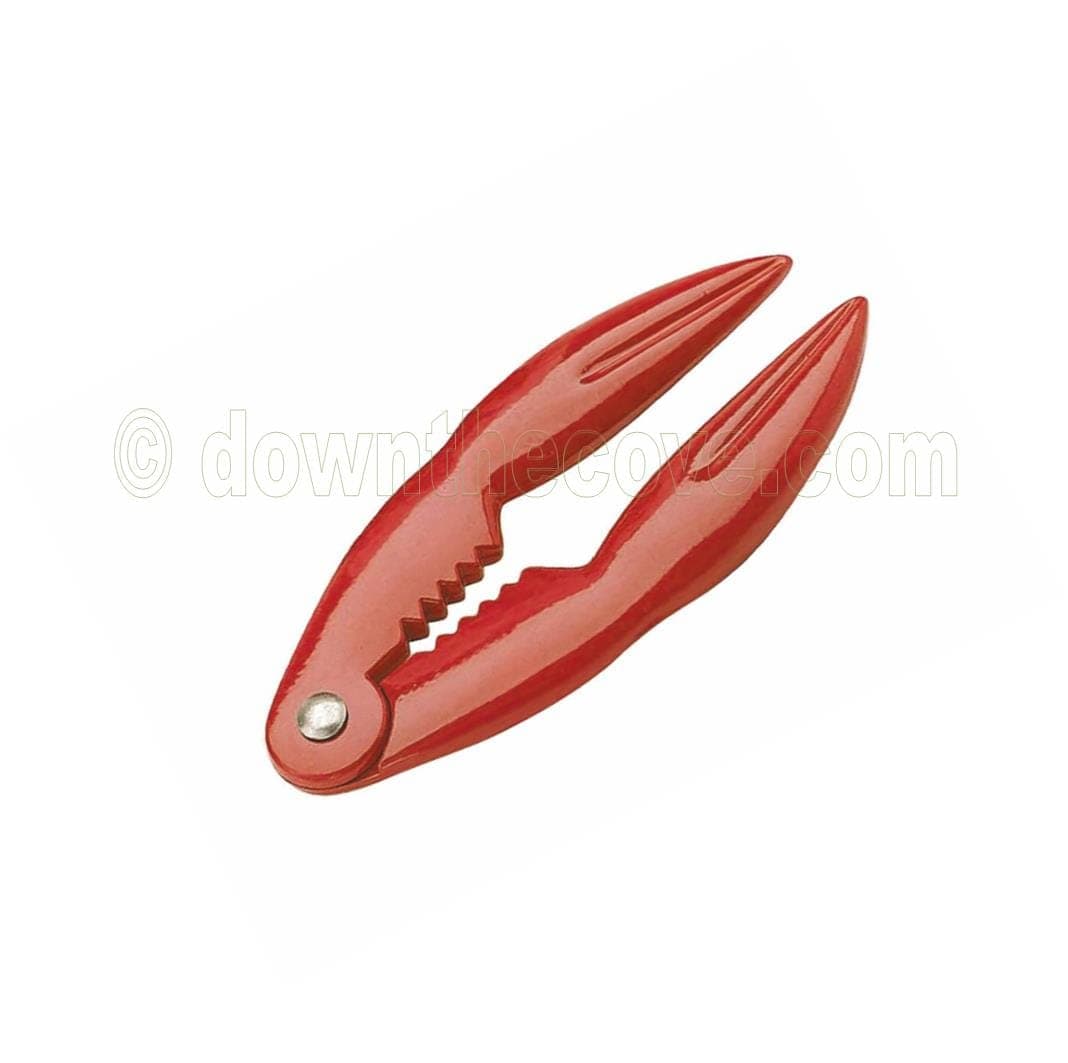
KitchenCraft Red Lobster & Crab Cracker
£4.95
View product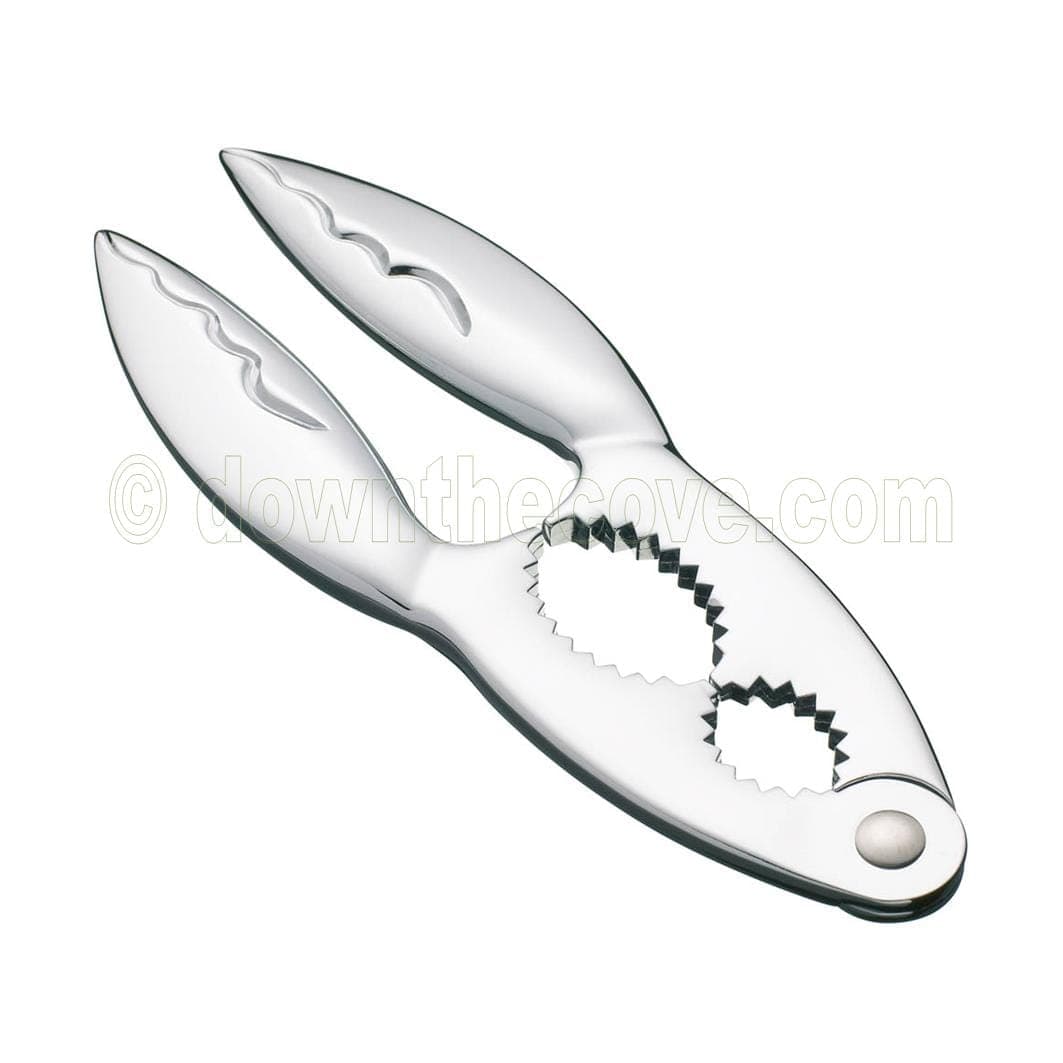
MasterClass Crab & Lobster Cracker, Polished 17cm
£15.99
View product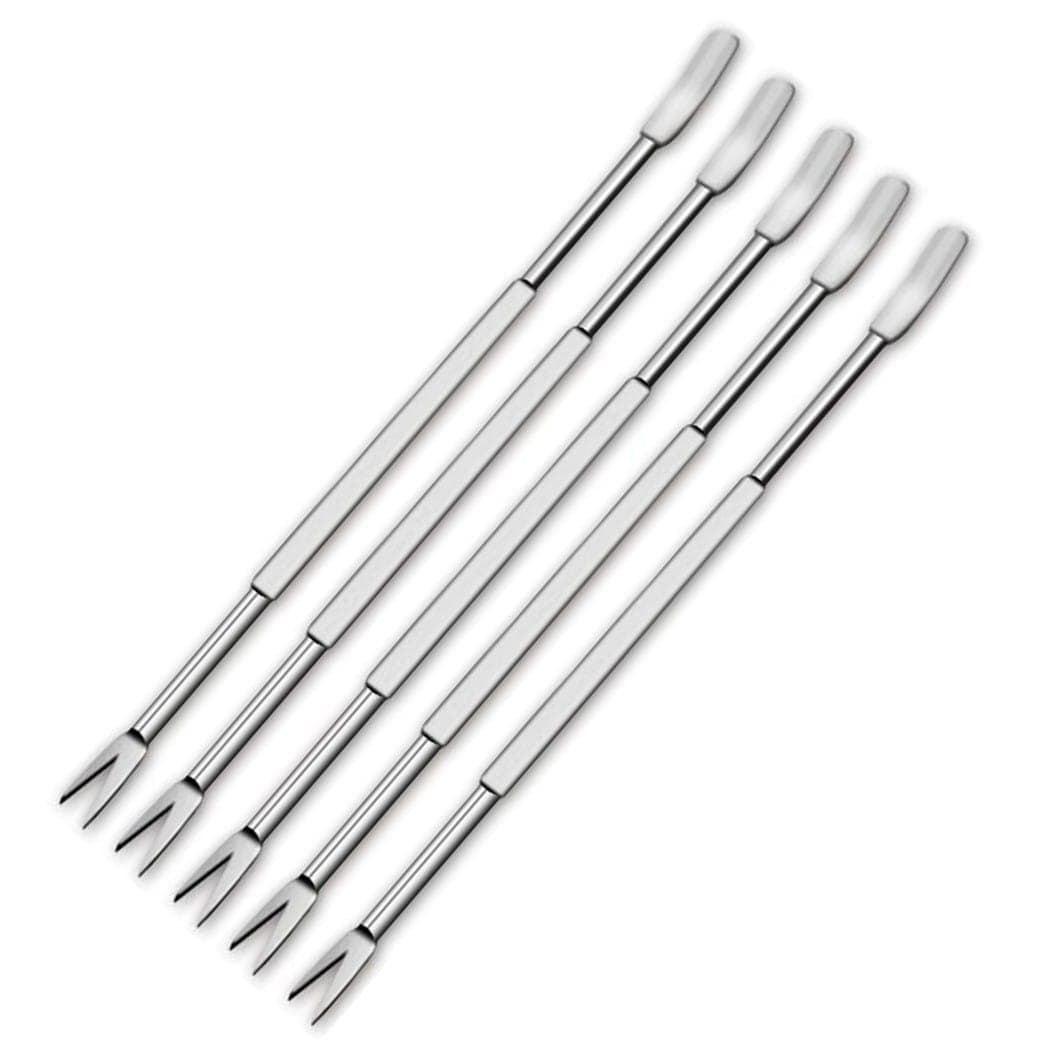
Stainless Steel Seafood Forks Set of 5
£4.99
View product
MasterClass Seafood Shears
£12.95
View product
Cornish Lobster Tablemat
£5.95
View productHow to eat a whole lobster, step by step
Step 1: twist off the claws. Hold the body in one hand, take a claw where it joins the body and twist. It comes away with the knuckle attached. Then twist the knuckle off the claw.
Step 2: open the claw. Wiggle the small pincer from side to side, bend it back and pull it off; a thin, flat piece of cartilage usually comes out with it. Crack the big part of the claw once across the middle, pull the shell away and slide the meat out. Try to keep it whole, because this is some of the sweetest meat on the lobster.
Step 3: do the knuckles. Crack each knuckle and push the meat out with your fork. There is not much in there, but it is very good.
Step 4: separate the tail. Hold the body in one hand and the tail in the other, and twist in opposite directions until they part. A little liquid and some green paste may come out. That is normal, and it is why the napkin matters.
Step 5: get the tail meat out. Bend the tail fan back and snap it off. Then push a fork or your finger in through the small end, where the fan was, and the meat should slide out of the wide end in one piece. If it is stubborn, squeeze the shell from the sides until it cracks, or cut along the soft underside with shears and open it like a book. The flippers of the tail fan hold tiny pieces of meat too, so pull them off and push or suck the meat out.
Step 6: remove the vein. Along the top, curved side of the tail meat you will see a thin dark line. This is the digestive tract. Lift it out with the tip of a knife or a fork. It will not hurt you, but it can be gritty.
Step 7: finish with the legs. Pull off a leg and either roll a rolling pin along it to squeeze out the meat, or bite the end and suck the meat out as you would with a straw. Nobody at a lobster table will mind.
Step 8: pick the body, if you like. Lift off the top shell and you will find small pockets of white meat where the legs joined the body. Many people stop before this, and that is fine.
How to eat a halved lobster
In a restaurant or on a platter, lobster usually arrives split in half lengthways, which makes life much easier. The tail meat lifts straight out of the shell with a fork, and the vein has usually been taken out already. The claws are often cracked for you. If they are not, use the cracker as above and pick out the meat with a long seafood fork.
If you are preparing lobster at home and want to serve it this way, our guide to preparing a cooked lobster shows how to split it and take the meat out for a salad or platter.
What are the green and red bits in a lobster, and can you eat them?
The soft green paste in the body is the tomalley, the lobster's digestive gland. Some people love its rich flavour. However, food-safety authorities in the US and Canada have advised people to avoid or limit it, because it is where toxins and pollutants from the lobster's diet can build up, and cooking does not remove them. Their advice concerns North American lobster and the white meat is not affected, but we would treat tomalley as optional at most and not give it to children.
The red or orange beads are the coral: the eggs of a female lobster. They are dark green when raw and turn bright red when cooked. They are edible and often go into butters and sauces.
Leave the feathery grey gills under the body shell, the small stomach sac behind the eyes and the dark vein in the tail. If a cooked lobster smells strongly of ammonia, do not eat it.
How much lobster per person, and how to serve it
As part of a seafood platter, half a cooked lobster per person makes a sensible main, or a quarter if it sits among plenty of other things. Our Christmas seafood platter guide has amounts for everything else on the plate. If lobster is the whole meal, with chips or a salad, a whole small lobster is a generous main for one.
Serve it hot with melted butter, or cold with mayonnaise and lemon. Keep cooked lobster in the fridge until shortly before you serve it, and eat it within a day or two, or by the use-by date if you bought it ready cooked. Put a big bowl for the shells in the middle of the table, give everyone a cracker or share two or three between you, and protect the table with placemats or a wipe-clean tablemat. Our wine pairing guide can help with the glass.
Do not throw the shells away. Simmered with an onion, a carrot and a bay leaf, they make a very good stock for soup or risotto.
Buying and cooking your lobster
Buying a lobster ready cooked from a good fishmonger is the easiest route, and our shellfish buying guide explains what to look for. If you are starting with a live one, read why crabs and lobsters are cooked alive for the kinder way to prepare it, then how to cook a lobster for cooking times.
Crab uses the same tools, and our guide to preparing a cooked crab shows you where the meat is. For the full range of lobster and crab tools, including what each one is for, see our tools guide. And if you are buying for someone who loves all of this, try our gifts for seafood lovers.