


Details
About the KitchenCraft Red Lobster & Crab Cracker
Crab crackers give you controlled pressure that ordinary cutlery can't. The toothed jaws hold the shell steady, and the claw-shaped handles give you leverage, so even thick claws give way to steady pressure rather than a bash with a rolling pin.
This KitchenCraft lobster and crab cracker works as a crab claw cracker, a lobster claw cracker and a general shellfish cracker for hard shells. The bright red finish is easy to spot on a busy table covered in shells and napkins, and it looks the part next to a whole cooked crab.
Crab claw crackers like this are for cooked shellfish at the table: crack the shell, then pick the meat out with a seafood fork or pick. If you're cooking a crab at home, our guides on how to prepare a cooked crab and lobster and crab tools go through the steps.
In a brown crab, the claws and legs hold most of the sweet white meat, so they're where a cracker earns its keep. Twist each claw off at its socket, crack it, then break it at the next joint and pick the meat out, taking out the hard white cartilage inside. Gentle, building pressure works better than one hard squeeze, which drives shell into the meat.
Dressed crab is a British classic, from Cromer in Norfolk to Newlyn in Cornwall: the meat is picked out and served back in the shell, usually with brown bread and lemon. BBC Food's guide to dressing a crab lists just two tools for the job: a nutcracker (a crab cracker does the same work) and a crab picker or thin metal skewer.
Wash it by hand after use and dry it before storing. If you're serving a crowd, seafood crackers are worth buying in twos or fours so guests aren't waiting for one to come round. It also makes a good small gift for someone who loves crab.
Toothed jawsGrip the shell as it cracks.
Lobster-claw handlesRed handles shaped for grip.
Crab, lobster and moreClaws, legs and other shellfish.
Hand washWash and dry after use.
Specifications
The details
BrandKitchenCraft
TypeLobster and crab cracker
BuildSturdy metal, hinged
JawsToothed, near the hinge
HandlesRed, shaped like a lobster claw
CareHand wash only
PackagingCarded
SKUCU-10003 P-G3
Compare
KitchenCraft cracker or MasterClass cracker?
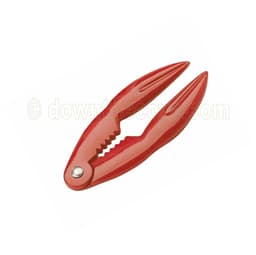 KitchenCraft crackerYou're here
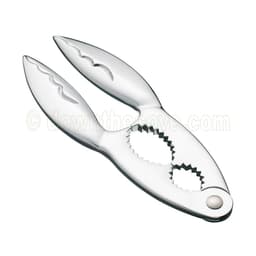 MasterClass cracker
FinishRed paintedMirror-polished
HandlesShaped like a lobster clawWide contoured handles
BrandKitchenCraftMasterClass
Price£4.95£15.99
How to use
In three simple steps
1Use on cooked shellfish
Crack claws and legs once the crab or lobster is cooked and ready to eat.
2Squeeze steadily
Set the shell in the jaws and press until it gives, so the meat isn't crushed.
3Pick out the meat
Use a seafood fork to reach into the claw or leg.
Did not work out
I was disappointed, and would not buy this again. I would want support to check whether mine was a one-off.came fast
The parcel arrived looking a bit tired outside but the item was fine. Would order from Down The Cove again. My wife was the one who noticed it felt sturdier than our old tool.Worked As Expected
Good grip on this cracker when wet.Every review is shown, low scores included. The breakdown chart appears from 10 reviews.
FAQs
Questions about the KitchenCraft Red Lobster & Crab Cracker
Is this a good cracker for crab claws?
Yes, it's a crab cracker tool designed for claws. Set the claw in the toothed jaws near the hinge and squeeze steadily until the shell gives. The teeth stop it slipping, so you crack the shell rather than crushing the meat inside.
Can I use it for lobster?
Yes. It works on lobster claws and knuckles as well as crab claws and legs. For the lobster tail, a sharp knife or kitchen scissors is usually easier than a cracker.
Is it dishwasher safe?
No, wash it by hand in warm soapy water and dry it straight away, paying attention to the teeth where bits of shell collect. It's hand wash only, so keep it out of the dishwasher.
What should I use with it to pick out the meat?
A seafood fork or pick. Once the cracker has opened the shell, the fork reaches into the claw and legs to pull out the meat in one piece. A bowl for empty shells and plenty of napkins help too.
Why use a crab shell cracker rather than a knife?
A crab shell cracker cracks the shell with even pressure and keeps your fingers away from sharp edges. A knife can slip on a hard, round claw, and hitting it with something heavy tends to splinter shell into the meat.
How do you crack crab claws?
Twist the claw off at its socket. Set it in the toothed jaws and squeeze gradually until the shell gives, then break it at the next joint and pick the meat out, removing the hard white cartilage. Building the pressure slowly keeps shell out of the meat.
What are dead man's fingers?
The grey, feathery gills of a crab. They're not inedible, but they don't taste good and are best removed when you prepare a crab. Pull them off and throw them away before you scoop out the brown meat and pick the white.
Still deciding?
Message our team
We are a small family-run shop. Ask us anything before you order.
Send us a message support@downthecove.comDelivery and returns
Before you order
Packed and posted by our own small team.
Tracked 48£3.50Free over £30Usually 2–3 working days
Tracked 24£4.50Free with Cove ClubAims for the next working day
Returns30 daysFree in the UKUnused and complete; start it from your order
Order by 3pm on a working day and it usually leaves the same day. Remote Scottish areas and the Isles of Scilly £14.95 · Europe £15 · rest of the world £25.DeliveryReturnsTrack an order
More small coastal gifts
Little gifts under £10


 Est. 2012
Down The Cove · founded in Cornwall, 2012
A small family-run shop with Cornish roots
- Order by 3pm on a working day and we usually dispatch the same day
- Questions answered by our own small team
- Cove Club members get free delivery and member discounts
- We donate 1% of all profits to Compassion UK
We donate 1% of all profits to Compassion UK, supporting its work with children and communities facing poverty: clean water, healthcare and education. Compassion UK is an independent charity. Visit Compassion UK