
Useful for your next trip
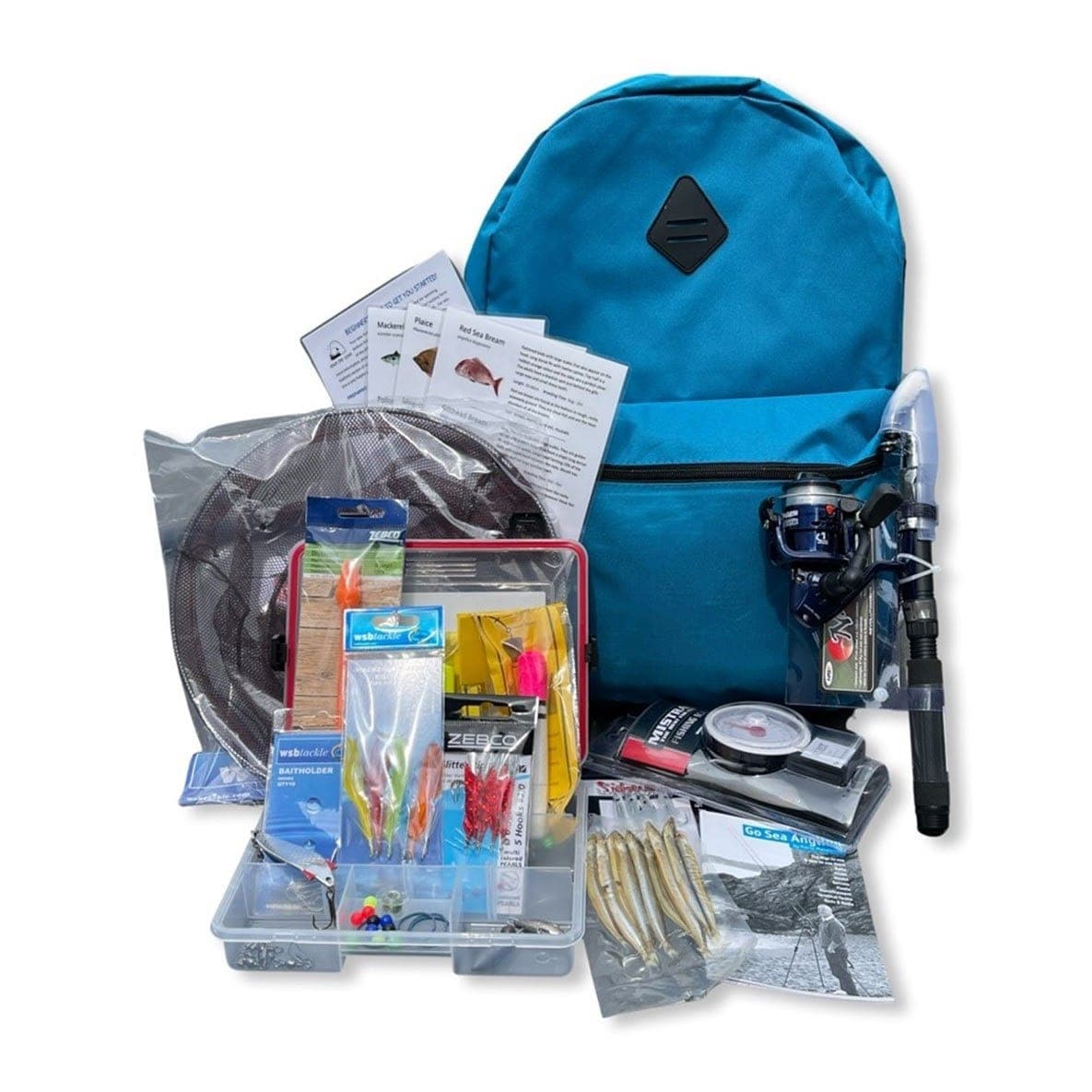
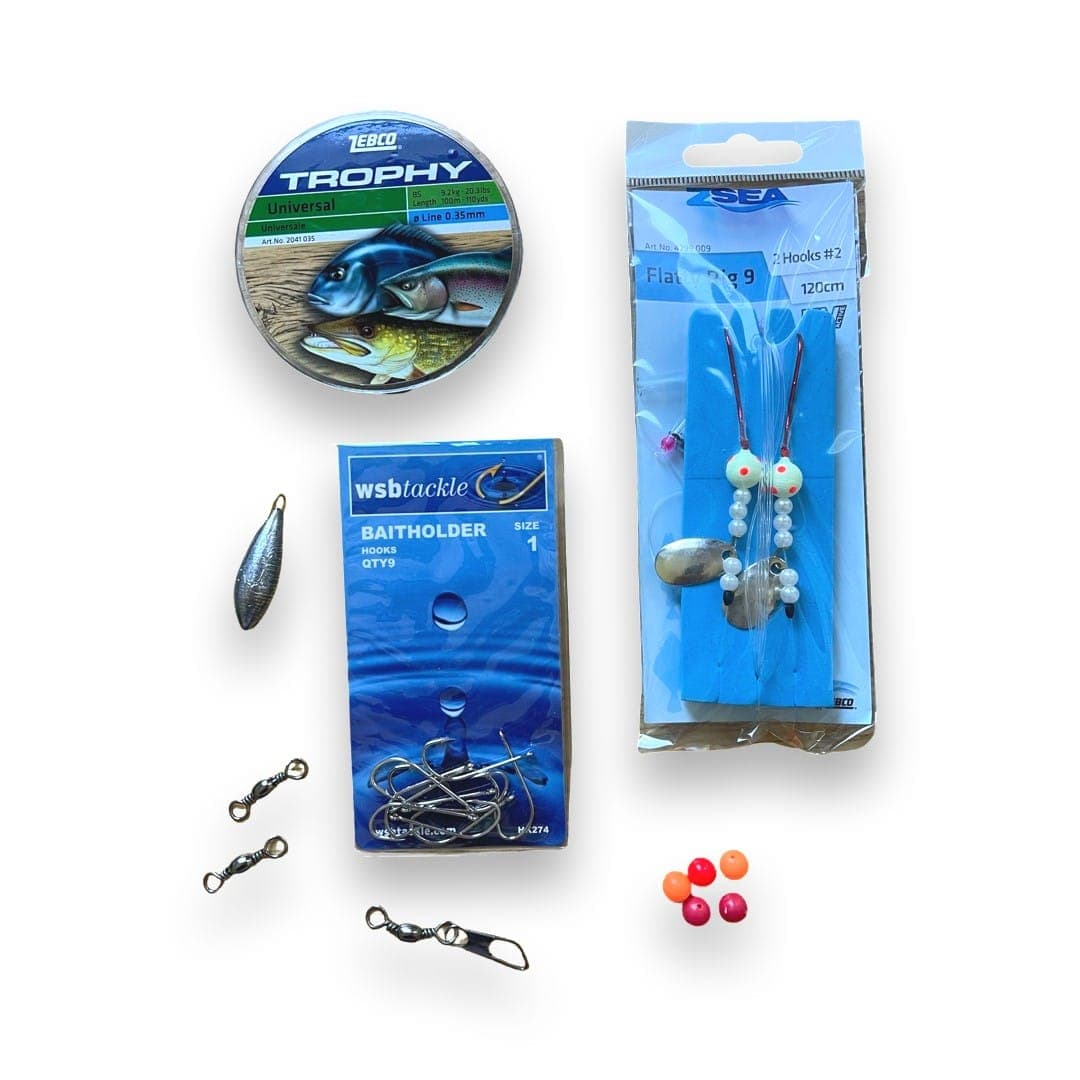
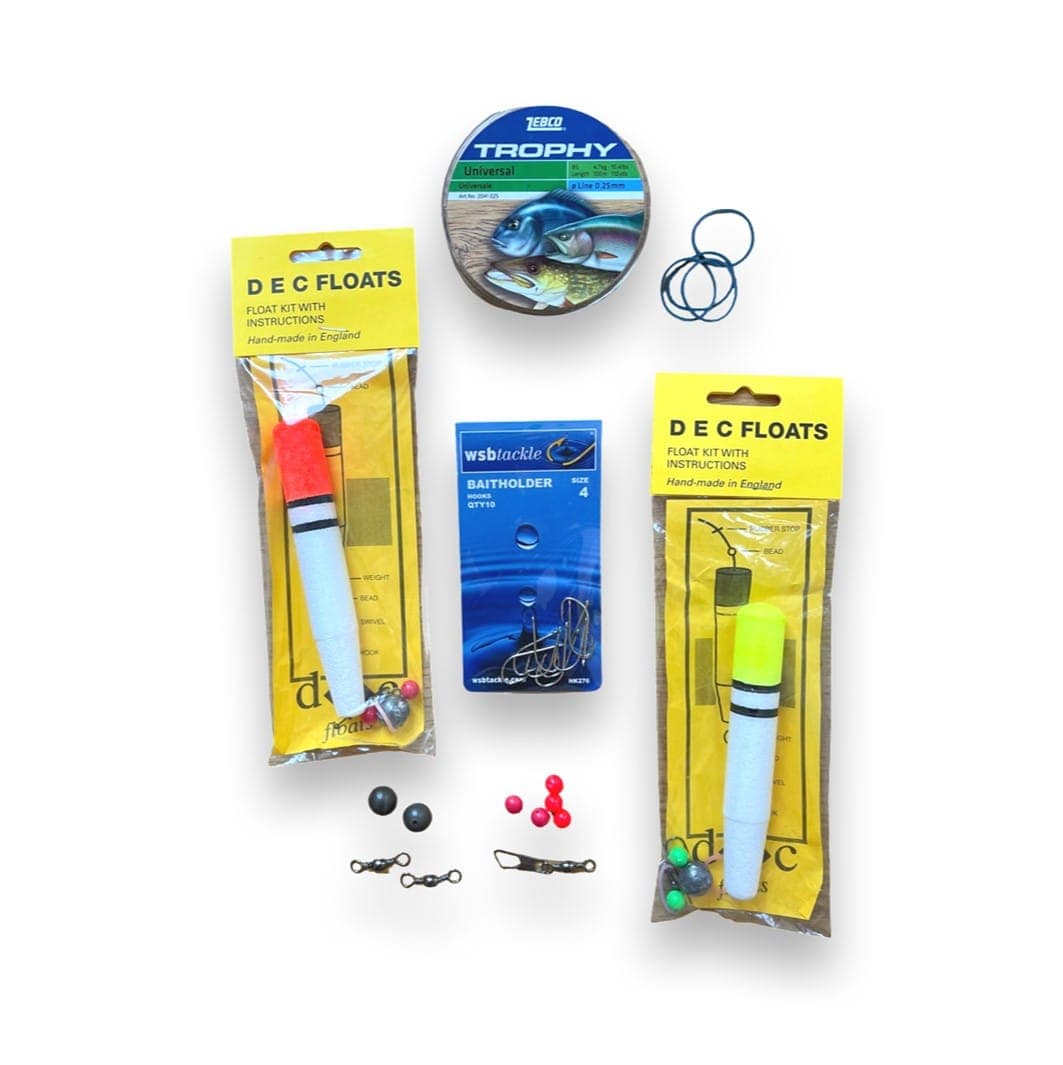
Useful kit connected to this guide, chosen to keep the next step simple.
Full dogfish guide
How to spot it, where it lives, how it is caught and how to cook it — the complete guide, in one easy read.
The dogfish is a genuine shark shrunk to hand size, prowling the seabed all along the Cornish coast. Mottled brown, rough as a rasp, it is unmistakable in the hand, and the chip shops have been quietly serving it for decades under a smarter name. Once you know what you are holding, it turns out to be one of the easier fish to land and to cook.
How to spot it
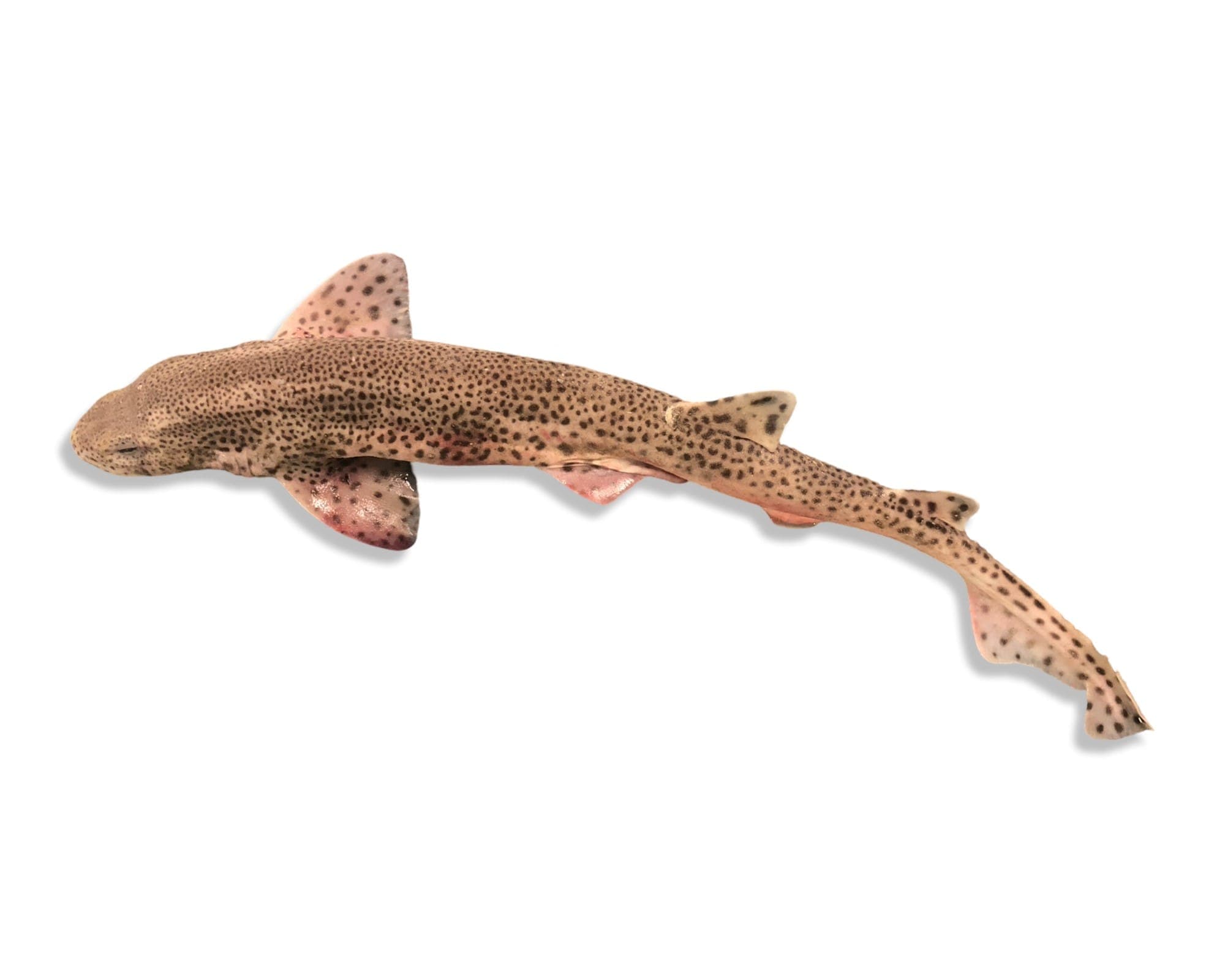
Hold one and there is no doubt. The back is a warm dark brown, finely peppered with small black spots, fading to a creamy underside, and the skin is rough enough to scuff your hands, like coarse sandpaper. The body is a true shark's in miniature, sleek and tapering, with the slung-low mouth and cat-like slit eyes that give the family its proper name of catshark. Most you will meet are hand-sized, though they can reach about 100cm. Spots, sleek shape and that file-rough skin together rule out anything else you are likely to land.
Where it lives
Dogfish are about as adaptable as a fish gets, settling over sand, rock and weed alike, in the shallows or deep, which is why they turn up so widely around Cornwall. You will find them from Tintagel, Trebarwith Strand and Port Isaac along the north coast through to Porthcurno, Lamorna, Newlyn and Mousehole in the far west, and on around Porthleven, Mullion, the Roseland and Mevagissey. The fishing runs from November through to July, a winter-and-spring fish that keeps you company through the cold, quiet months once most other species have moved off.
Related guides and gear
FAQs
Quick fish questions
Short answers for the questions families and coastal readers often ask first.
What is dogfish sold as?
Dogfish is most often sold as rock salmon or huss, especially in fish and chip shops. So if you have enjoyed either at the seaside, there is a fair chance you have already eaten this small Cornish shark without ever knowing its real name.
Is dogfish sustainable?
The lesser spotted dogfish is one of our most abundant inshore sharks, and its numbers are healthy and increasing. Even so, as a slow-growing shark the MCS Good Fish Guide rates it only a middling (amber) choice rather than a low-concern one, so line-caught and locally landed beats trawled. The names rock salmon and huss have historically covered other, less robust species, so it is worth asking what you are actually buying.
Can you eat dogfish?
Absolutely. Dogfish gives dense, meaty, boneless white flesh, the same fish sold as rock salmon and huss. It takes batter brilliantly and is even better in a robust curry or stew, where its firmness means it holds together rather than breaking up.