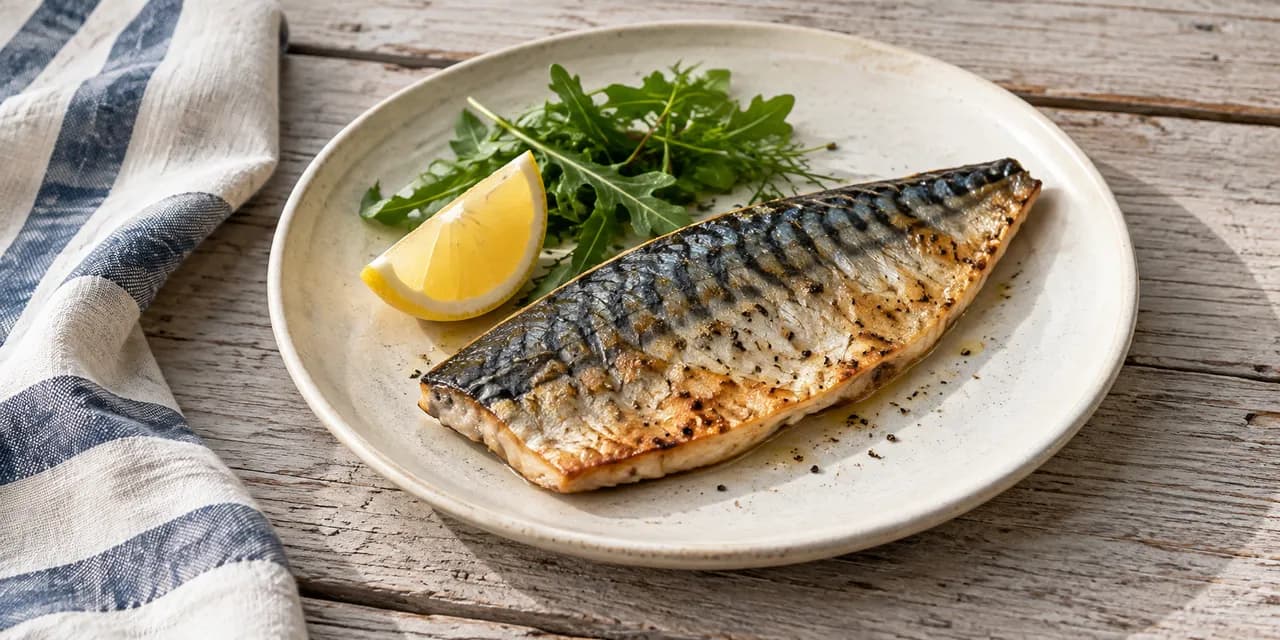
The full guide
Read straight through, or use the seafood notes above to keep buying, cooking and serving simple.
HOW TO ELIMINATE FISH SMELLS
A guide on why fish smells and how to get rid of the fish odour after cooking.
We are often told by people that they don't like cooking or eating fish because they don't like the smell.
The practical steps below cover hands, surfaces, appliances and the room itself, so everything useful is available on this page.
Start with gentle cleaning, fresh air and the appliance maker's instructions; test acids such as lemon or vinegar on a small hidden area first.
Safety note: follow product and appliance instructions, never mix cleaning products, and test lemon or vinegar on a hidden area before using it on fabrics or surfaces.
Practical fixes included below
Use the sections below for practical ways to tackle fish odours on hands, fabrics, carpets, fridges and kitchen surfaces.
No download or email sign-up is required — the complete guide is available here.
Getting rid of the smell of fish while preparing and cooking
Keep fish properly chilled and cook it while fresh. A strong, unpleasant or ammonia-like smell can indicate spoilage; when in doubt, do not eat it.
For a gentler aroma while cooking, use a recipe with lemon or another acidic ingredient rather than soaking fish in an unmeasured solution.
Bicarbonate of soda (baking soda) also helps to neutralise the fishy odour.
Lemon or vinegar used as part of a recipe can soften the perceived aroma, but it cannot make spoiled fish safe to eat.
Do not rinse raw fish, because splashes can spread bacteria around the kitchen; follow current food-safety guidance and cook it thoroughly instead.
Freshen the room after cooking
Open a window or run the extractor while cooking, then wipe down nearby surfaces. A bowl of white vinegar left out of reach of children and pets can help with lingering odours; never heat it unattended.
Getting rid of the smell of fish from your hands
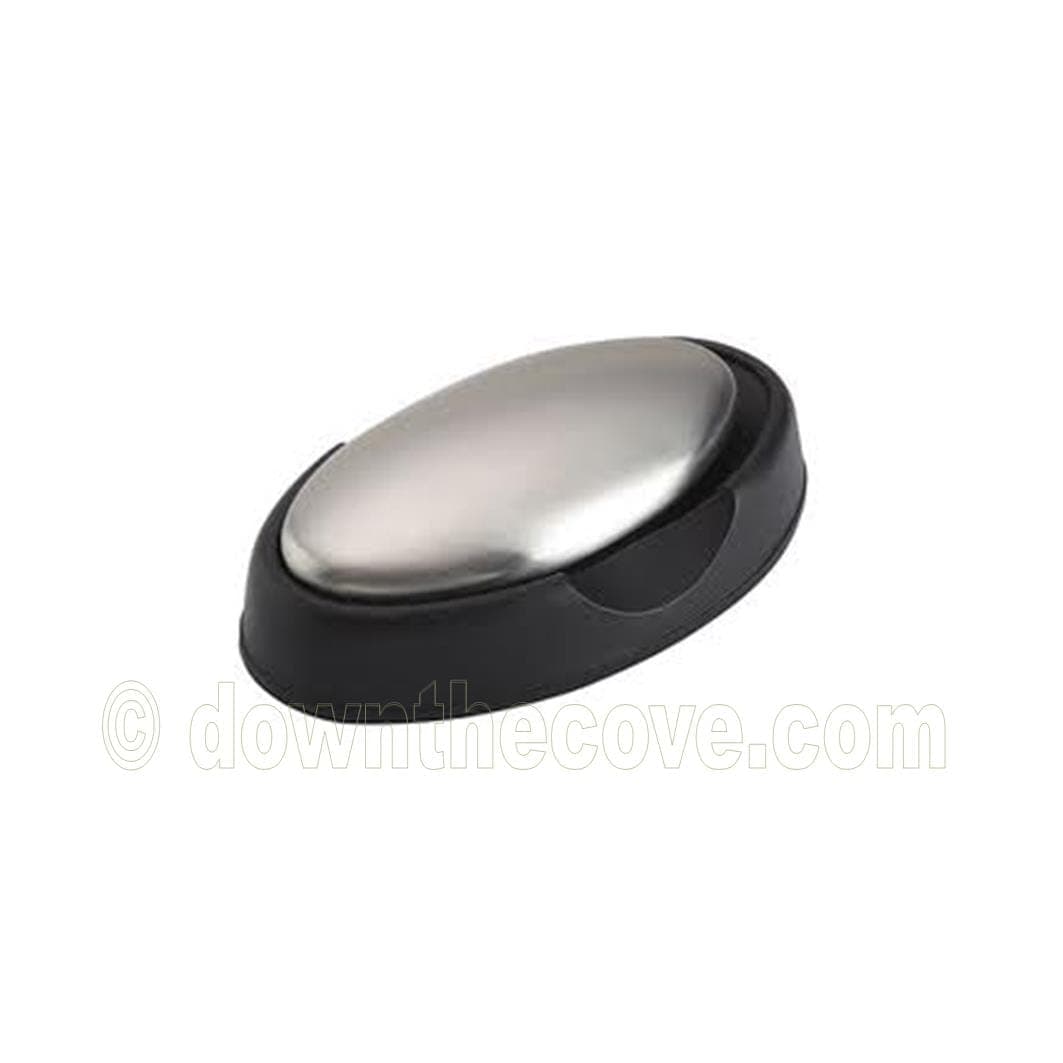
Wash hands thoroughly with soap and cool water. For lingering odour, rub a stainless-steel odour-remover bar under running water; avoid lemon or vinegar on cuts or irritated skin.
Wash thoroughly with soap and cool water. Avoid abrasive salt scrubs, especially on dry, irritated or broken skin.
Steel soap bars are great – you simply rub the bar against your skin under cool running water for 30 seconds to have odour free hands. The bars are chemical free so are kind on your hands and the environment. They are also good for getting rid of the smell of onions and garlic from your hands.
Getting rid of the smell of fish in your home after cooking
Wash bowls, containers and pans promptly with hot soapy water or as directed by the manufacturer, paying attention to seals and lids where odours can linger.
For persistent pan odours, repeat the normal wash or use the manufacturer's recommended cleaning method rather than heating improvised cleaners.
For carpet spills, blot immediately without rubbing, then use a carpet-safe cleaner according to its label; seek professional cleaning advice for large or persistent spills.
Safer ways to freshen the room
Ventilate the room during and after cooking. If you use lemon for fragrance, keep it unheated and out of reach of children and pets.
If you leave out an unheated bowl of white vinegar, keep it well out of reach of children and pets and discard it afterwards.
Use the extractor and open a window instead of simmering ingredients solely to mask an odour.
Keep a small, unheated bowl of white vinegar out of reach of children and pets, then discard it after use.
Avoid heating oil purely to fragrance a room; ventilation and prompt cleaning are safer and more effective first steps.
Avoid adding more cooking vapour to the room; fresh air and prompt cleaning tackle the source more effectively.
For microwave odours, unplug the appliance if the maker recommends it, wipe the interior with a suitable damp cloth and follow the manufacturer's cleaning instructions. Never heat a cloth or cleaning product unless the manual explicitly says it is safe.
Why Does Fish Smell?
In order to counteract the saltiness of seawater, the cells of ocean creatures are full of amino acids and amines. Trimethylamine oxide is the main one (also known as TMAO).
When a fish or shellfish dies bacterial enzymes attack the flesh. The muscles of the fish containing the trimethylamine oxide (TMAO) start to decompose causing it to break down into trimethylamine (TMA) which results in the fishy smell we know so well.
The fresher the fish the less it smells so if a fish smells particularly bad do not buy it as it is probably quite old.
Remove fish smells from your hands
The reusable stainless-steel bar made for the exact problem in this guide — no perfume and no disposable refill.
Common questions
- Why does fish smell fishy?
- Sea creatures store a compound called trimethylamine oxide (TMAO). Once a fish dies, bacteria break it down into trimethylamine (TMA), which is the fishy smell we know. The fresher the fish, the less it smells.
- How do you stop fish smelling while cooking?
- Start with very fresh fish, keep it chilled until cooking and ventilate the kitchen well. Cooking in a covered pan, foil or parchment helps contain odours; follow the recipe and appliance maker's safety guidance.
- How do you get fish smell off your hands?
- Wash thoroughly with soap and cool water. If an odour remains, use a stainless-steel odour-remover bar under running water and follow its instructions.
- How do you remove fish smell from the kitchen?
- Ventilate while cooking, clean splashes promptly and wash utensils and surfaces with a suitable detergent following their care instructions. Never mix cleaning products.
- Does fresh fish smell less?
- Yes. A strong fishy smell is a sign the fish is past its best, so if a fish smells strongly at the counter, do not buy it.