
Useful for your next trip
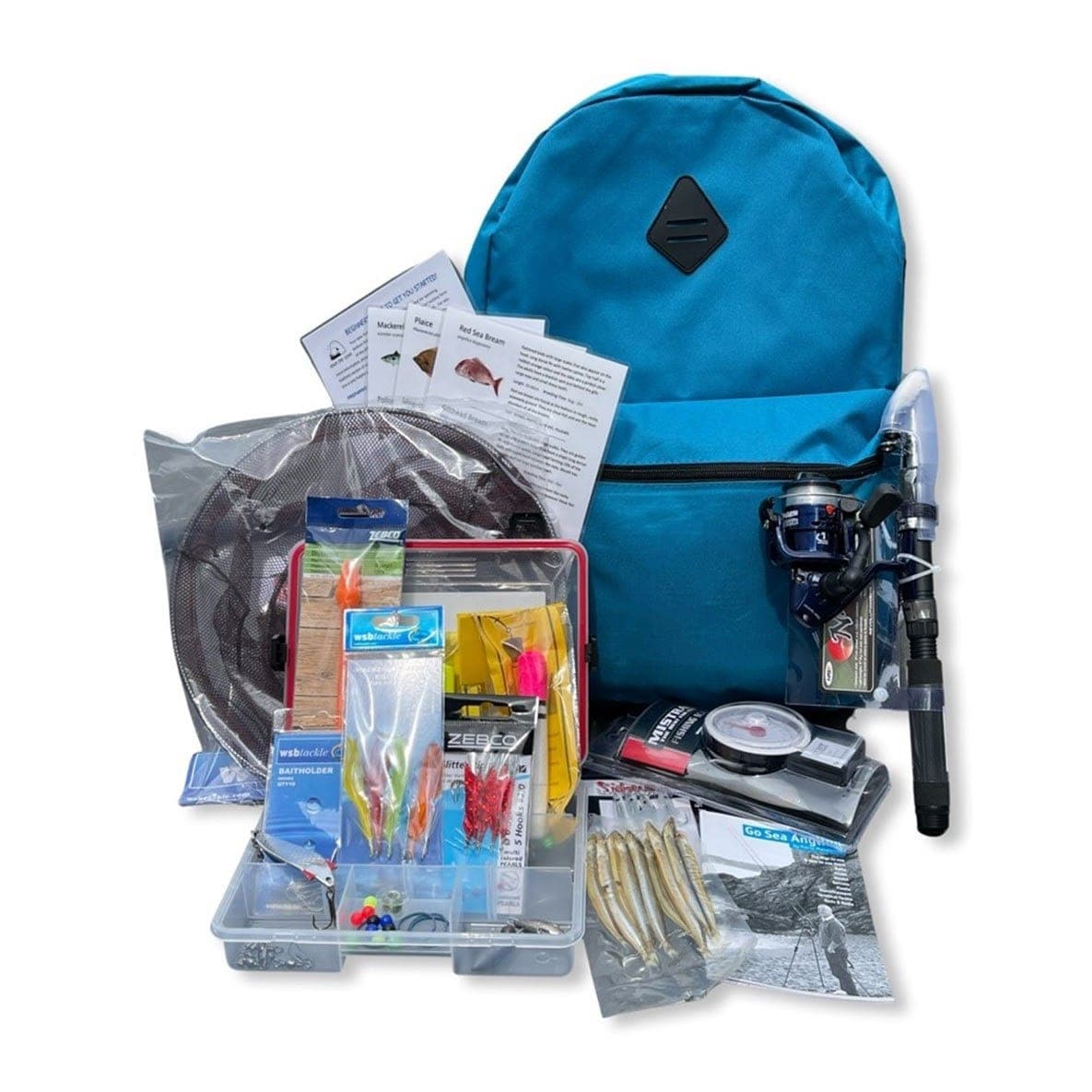
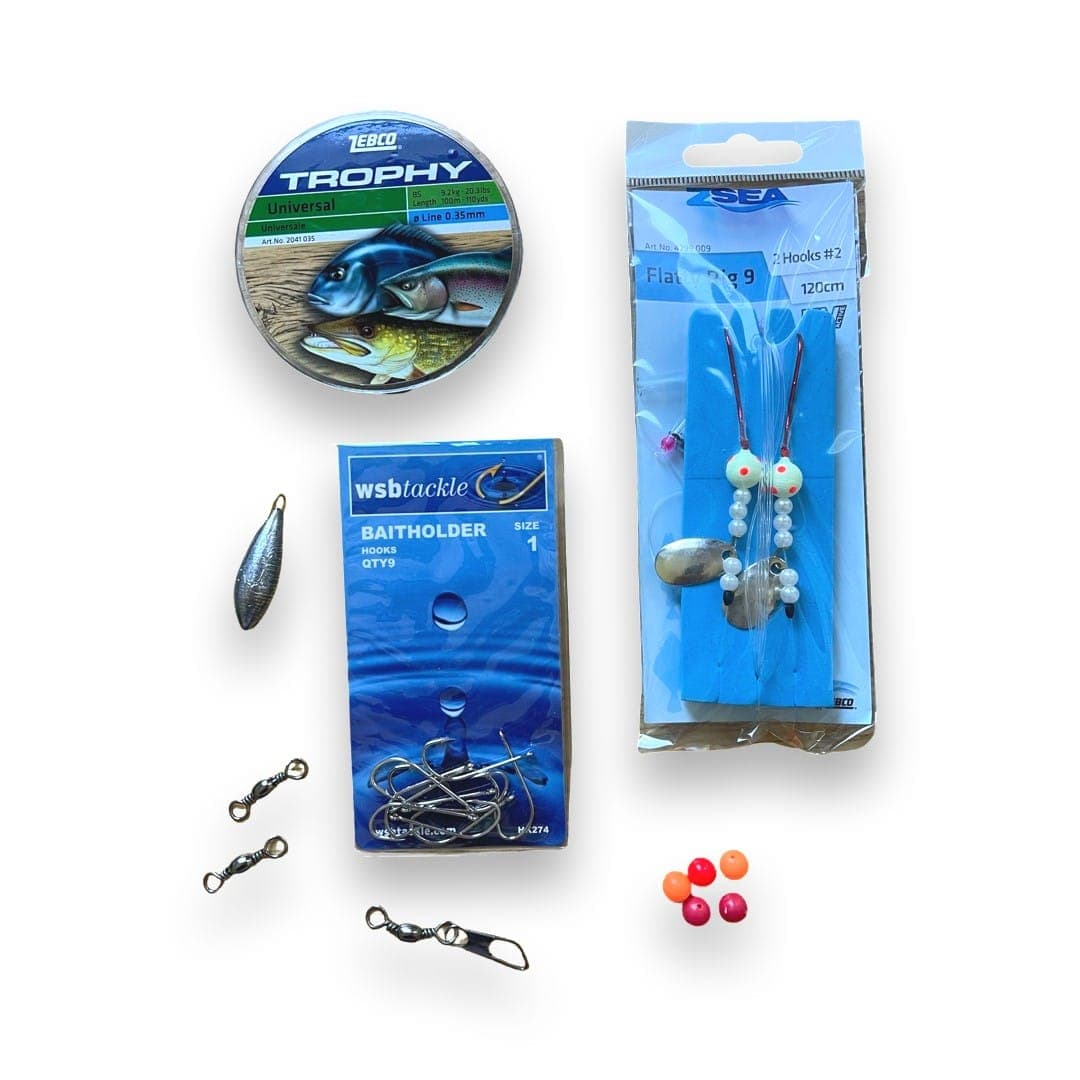
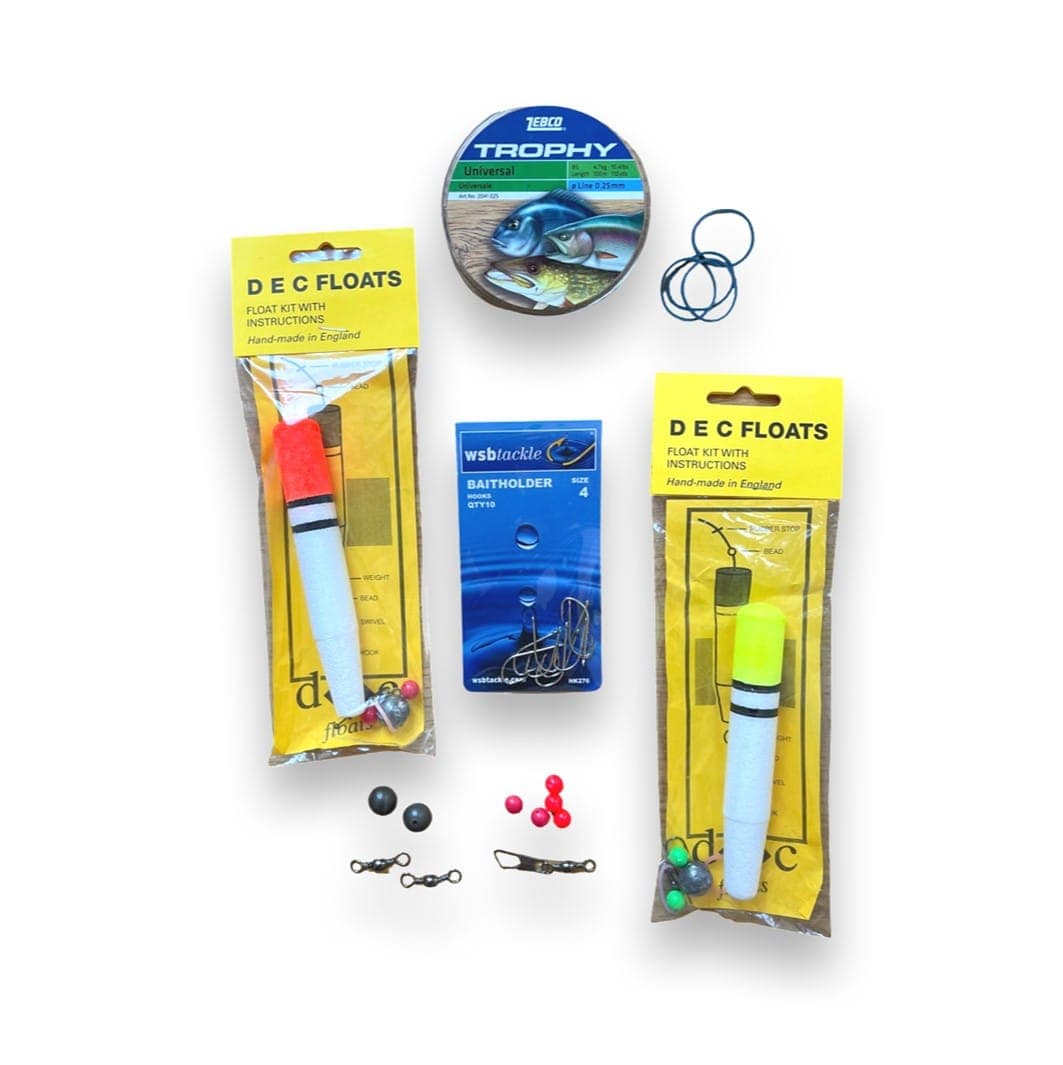
Useful kit connected to this guide, chosen to keep the next step simple.
Full black bream guide
How to spot it, where it lives, how it is caught and how to cook it — the complete guide, in one easy read.
Deep-bodied, silvery and stubborn on the line, black bream is the fish that tells us spring has landed. It holds hard on rocky, weedy ground and takes a careful, natural bait far more readily than a clumsy one. Learn to read its big-eyed, spiny-finned profile and you'll never put the wrong name to it again.
How to spot it
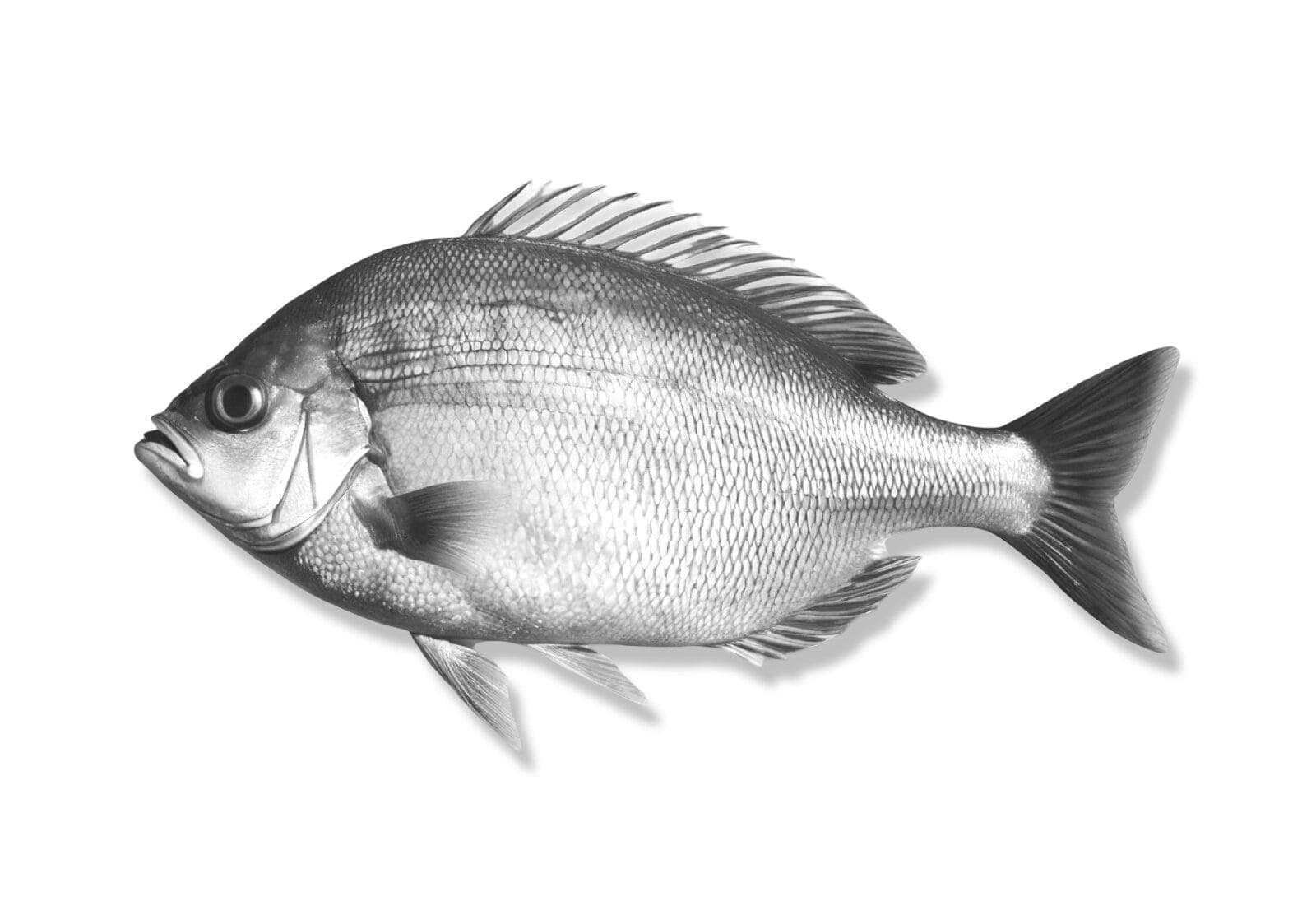
Count the spines and you've got it: the single long dorsal fin carries eleven, and that's the surest tell of a black bream. The body is deep, flattened and muscular, clad in large scales, silvery-grey across the back and fading to a white belly. The head is small and neat, with notably large eyes and a small mouth that gives away its careful, bottom-feeding habits. At around 35cm it's a well-proportioned, handsome fish, and the mix of deep body, big eyes and that spiny dorsal makes it easy to name once you know the signs.
Where it lives
Black bream are fish of structure and cover. They favour rocky, weedy ground and estuaries where there's shelter and food, and rather than roving open water they sit hard on the bottom and work the ground methodically. Around Cornwall, Helford and Mevagissey are the two names to keep in mind. They arrive in April and May, when warming water brings them within easy casting range of the shore, and that late-spring window is your best shot at them.
Related guides and gear
FAQs
Quick fish questions
Short answers for the questions families and coastal readers often ask first.
How do I identify black bream in the UK?
Count the dorsal spines: a black bream has a single long dorsal fin carrying eleven. Add a deep, flattened, silvery-grey body with large scales, a small neat head, notably large eyes and a small mouth, and you've confirmed it.
What is the best bait for black bream fishing?
Prawn, worm, sand eel and mussel all work well and suit the bream's cautious feeding. Present them on a float rig, or freeline with minimal weight so the bait drifts gently near the bottom where bream hold.
How do you fillet a black bream?
Run a sharp knife down the spine from head to tail, then lift each fillet clear of the rib bones, keeping the blade flat against them. The skin is robust and worth leaving on for the BBQ or pan, where it crisps nicely.