The full story
Read straight through, or use the story notes above to settle into the place, memory and detail.
Cornish is a Celtic language closely related to Breton and Welsh. In 2002 it was recognised as a living language under the European Charter for Regional and Minority languages.
In 2008 the main forms of Cornish - Unified, Common and Late Modern were combined to form the Standard Written Form (SWF) and this has been primarily steered by the Cornish Language Partnership.
The number of people able to speak Cornish fluently is steadily rising. In 2000 it was estimated that 300 people were fluent and by 2008 this number had risen to 2000. Since the introduction in 2008 of the Standard Written Form (SWF) which is recognised for use in education and public life, Cornish is now being taught in many of the County's schools and therefore the number of speakers will continue to rise.
Hundreds of thousands of people know a few words of Cornish and we have detailed some of the common words on this page so that you can join them!
Days
Monday - de Lun
Tuesday - de Meurth
Wednesday - de Merher
Thursday - de Yow
Friday - de Gwener
Saturday - de Sadorn
Sunday - de Sul
Numbers
one - onan
two - diw
three - teyr
four - peder
five - pymp
six - whegh
seven - seyth
eight - eth
nine - naw
ten - deg
The Important Words!
Beer – Korev
White wine – Gwin gwynn
Red wine - Gwin rudh
Whisky – Dowr tomm alban
Cider – Sider
Please - Mar pleg
Thanks - Meur ras
Yes - Eus
No - Nag eus
Months
January - mis Genver July - mis Gortheren
February - mis Whevrel August - mis Est
March - mis Meurth September - mis Gwynngala
April - mis Ebrel October - mis Hedra
May - mis Me November - mis Du
June - mis Efen December - mis Kevardhu
Greetings
Good Morning - Myttin da
Good Afternoon - Dohajedh da
Good Evening - Gordnewer da
Good night - Nos da
Place Names
Lan - Sacred enclosure like a church
Bos or Bod - Home or dwelling
Perran - St Piran, patron Saint of Tinners
Porth - Cove, bay or port
Wheal - Mine
Pen - Headland
Pol - Pool
Tre - Homestead or town
Towan - Sand dunes
Ros - Heath or common
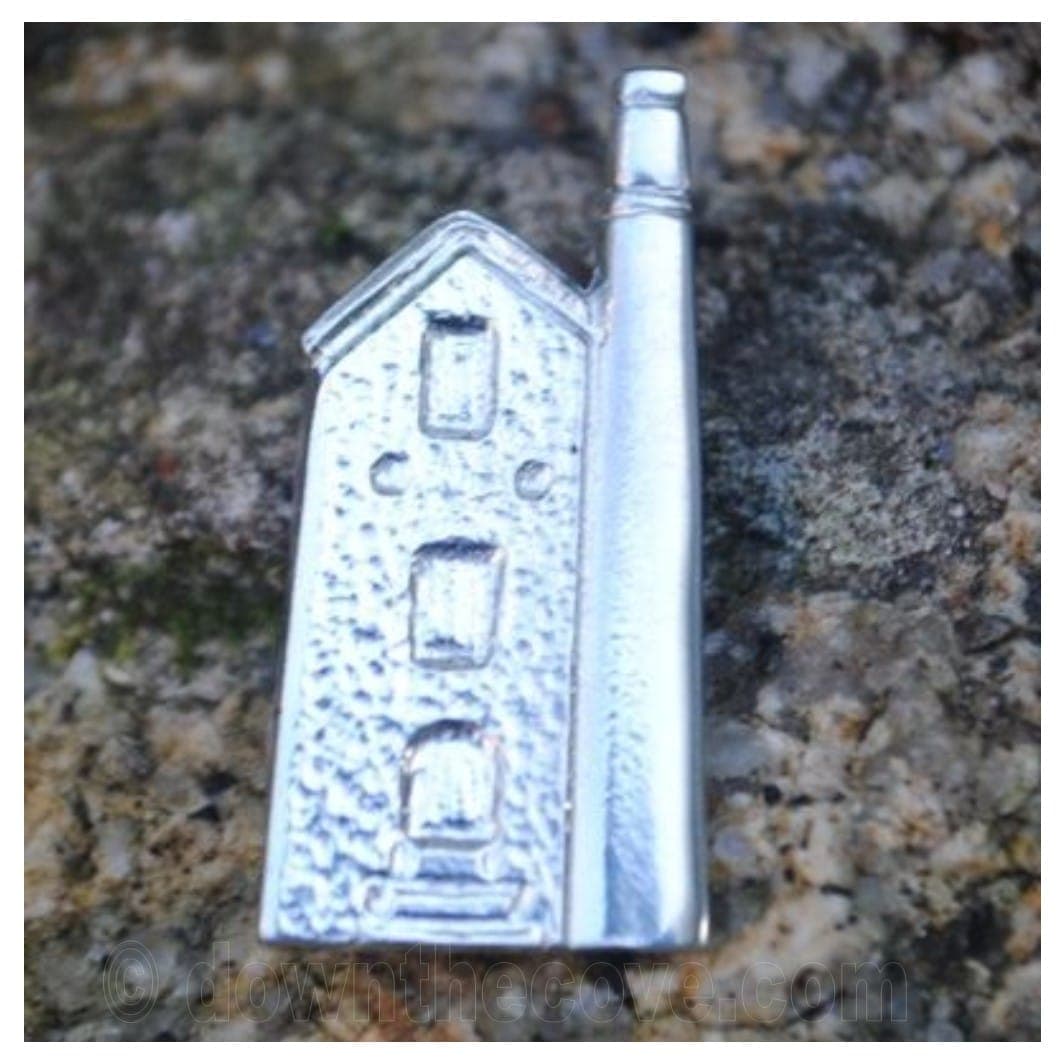
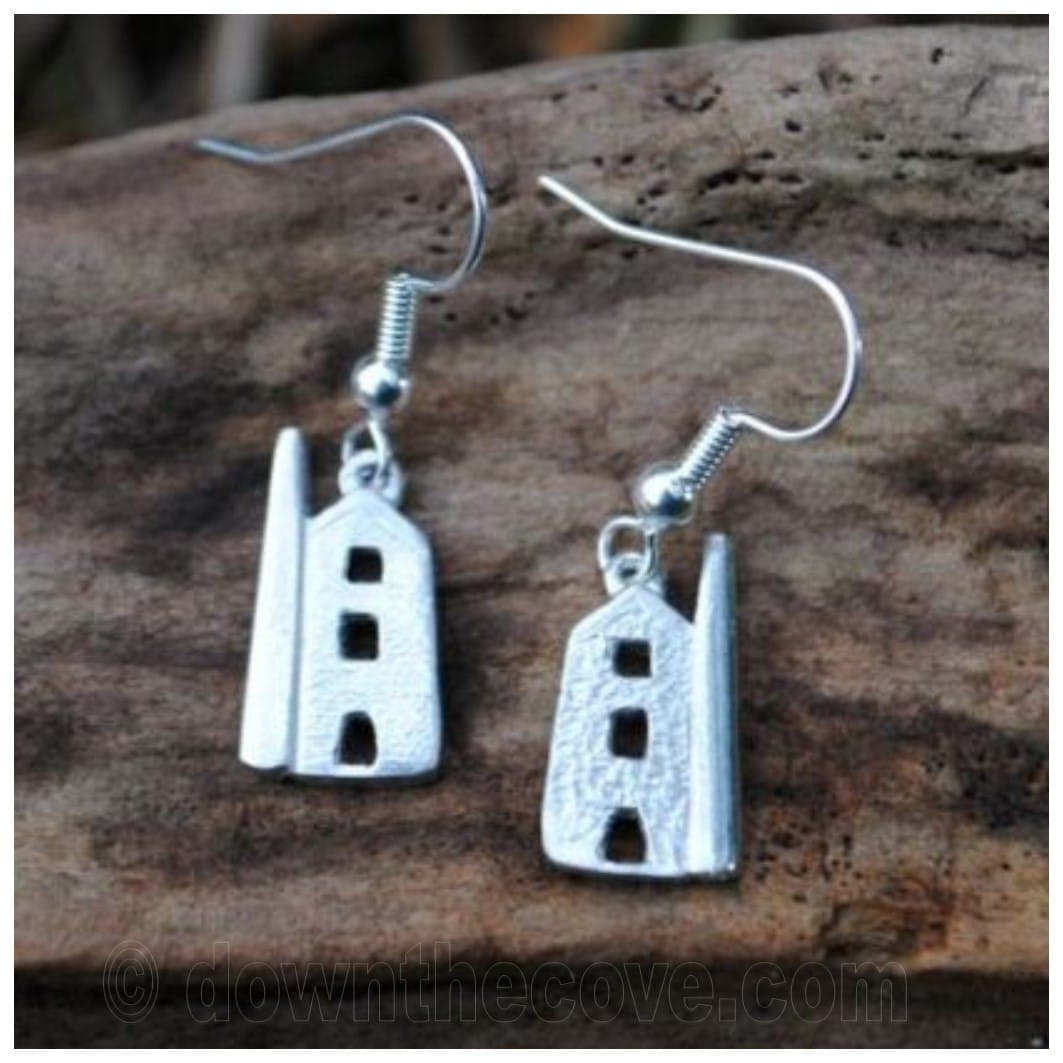
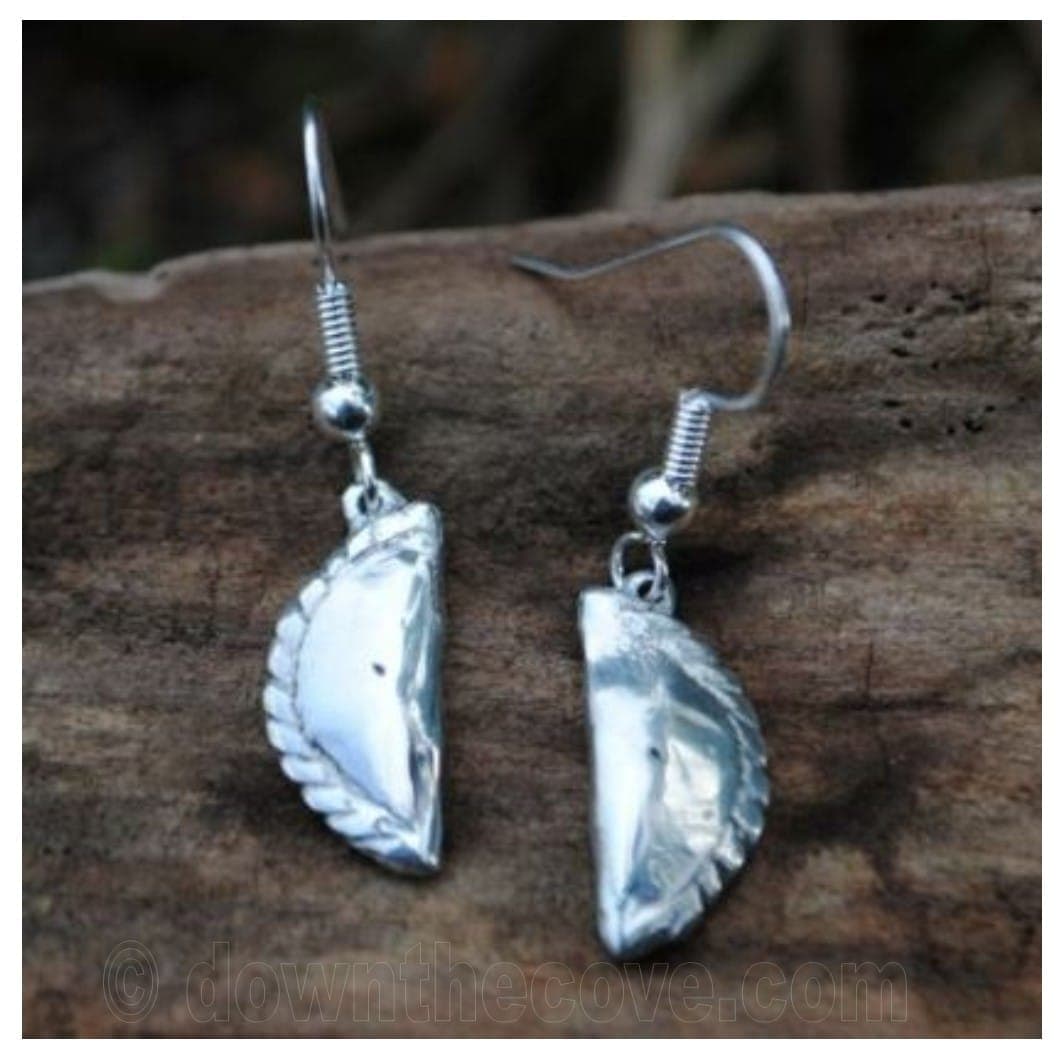
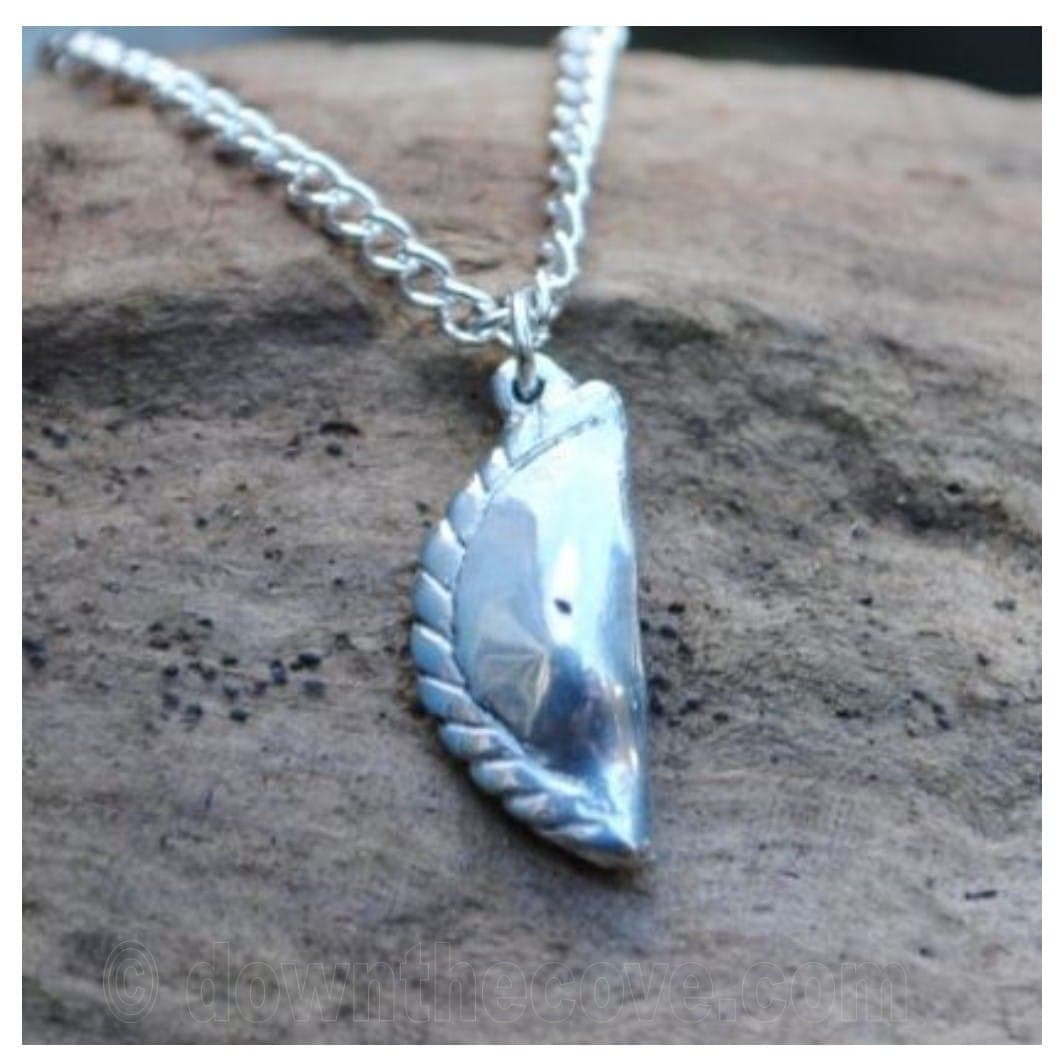
We have a full range of hand made Cornish jewellery which has been handcrafted and cast using recycled tin and copper (the alloy known as lead free pewter) in the hamlet of Botallack.
Botallack is the heart of the traditional mining area of the far west of Cornwall and the location of the Wheal Owles engine house pictured above. This is the engine house known as Wheal Leisure in the BBC Poldark series.
The unique and original designs of this jewellery are inspired by the beautiful surroundings and culture of Cornwall and the West Country.
Common questions
- How do you say hello in Cornish?
- "Dydh da" is a friendly hello, and "Myttin da" means good morning. To say thank you, it is "Meur ras", and "Nos da" means good night.
- Is Cornish a real, living language?
- Yes. Kernewek is a Celtic language related to Welsh and Breton, recognised as a living minority language in 2002, with a Standard Written Form agreed in 2008 and a steadily growing number of speakers.
- How many people speak Cornish?
- Fluent speakers number in the hundreds and are rising, with many thousands more knowing everyday words and phrases, helped by Cornish now being taught in schools across the county.
- What do Cornish place names mean?
- Many hold clues to the landscape: "Porth" is a cove or harbour, "Tre" a homestead or town, "Pen" a headland, "Pol" a pool and "Lan" a sacred enclosure or church.
- How do you raise a toast in Cornish?
- "Yeghes da!" (good health) is the Cornish equivalent of cheers. And if you are ordering, a glass of red wine is "gwin rudh".