The full story
Read straight through, or use the story notes above to settle into the place, memory and detail.
Singing is a popular pastime in Cornwall both in bands and in less formal pub surroundings. Singing in Cornish pubs is often a spontaneous event and enjoyed by young and old alike.
Sea shanties were originally a way to keep the men on a ship working to a rhythm or as a team. Not a lot of work takes place nowadays while singing - in fact it is most definitely a social event.
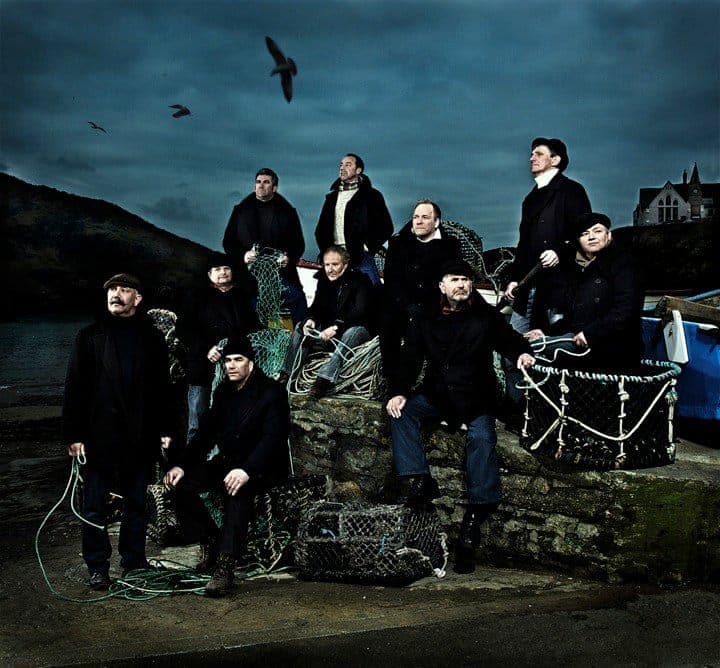
The Fishermen's Friends, pictured right, are probably the best known group of Cornish Singers. They can often be seen singing on Friday evenings on the Platt in Port Isaac, but also tour regularly. Please follow link to visit their website and find out more information about them and their planned performances.
Falmouth now hosts a fabulous International Sea Shanty Festival which takes place in June each year and Mevagissey now hosts the Mevagissey Shanty Festival in October. For this year's dates for these festivals and information on other Cornish Festivals and Regattas taking place around, please see our Festivals Page.
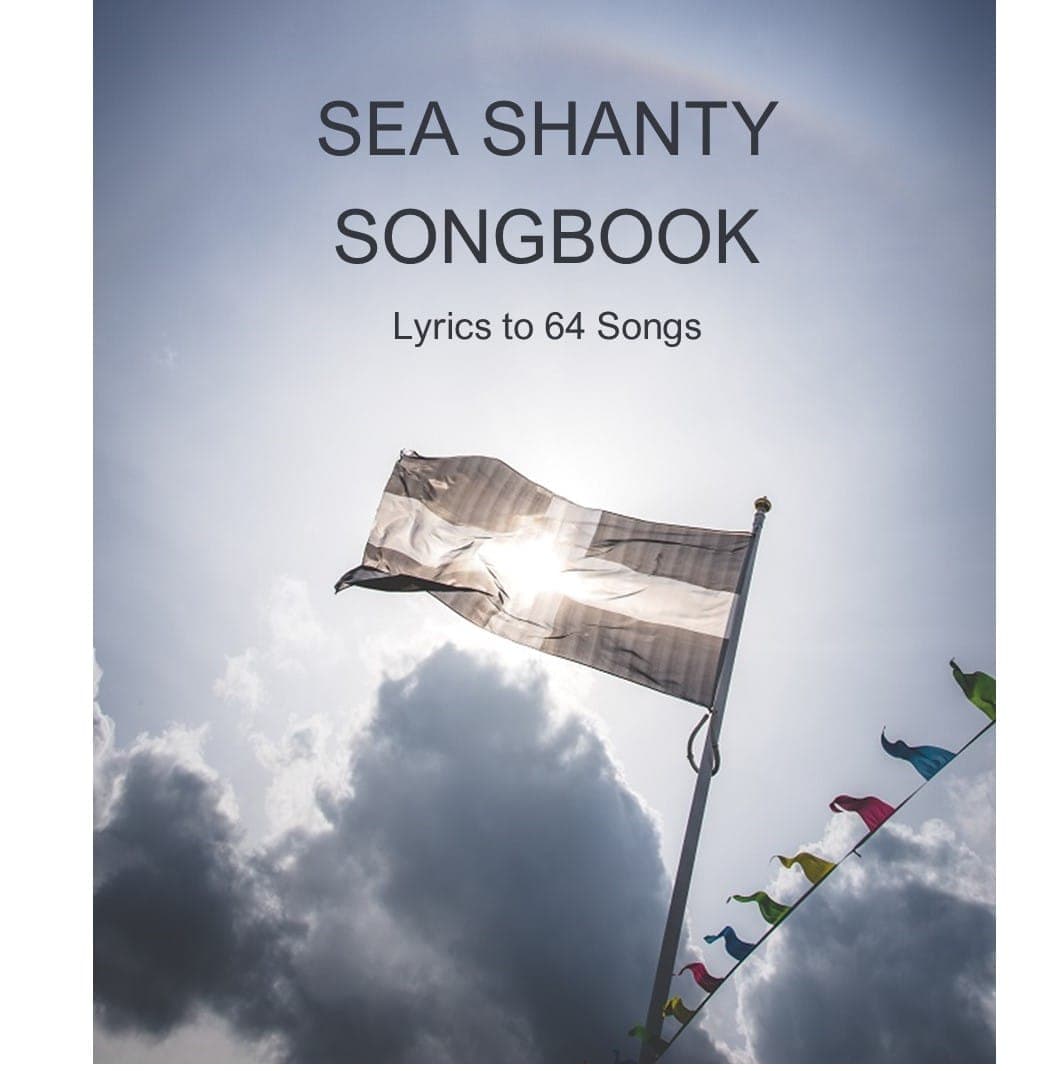
We've provided the lyrics to a few Cornish songs below but if you'd like to find more of the lyrics to 64 different Sea Shanties and help the RNLI, please purchase our Charity Songbook...
Common questions
- What is a sea shanty?
- A work song that sailors once sang to keep heavy tasks in rhythm and lift morale on long voyages. Today shanties are sung for the sheer joy of it, in pubs, on quaysides and at festivals.
- Who are the Fishermen's Friends?
- Probably Britain's best-known shanty singers: a group of fishermen, lifeboatmen and coastguards from Port Isaac. Discovered in 2010, they have recorded albums and even had a film made about them, and still sing on the Platt at Port Isaac.
- Where can you hear sea shanties in Cornwall?
- In harbourside pubs throughout the year, on the Platt at Port Isaac, and especially at the Falmouth International Sea Shanty Festival each June and the Mevagissey Shanty Festival in October.
- What is "Trelawny"?
- Often called the Cornish Anthem, or "The Song of the Western Men", Trelawny was written by the Reverend Robert Stephen Hawker of Morwenstow in 1824, and is sung with great gusto across Cornwall.
- What is the Falmouth Sea Shanty Festival?
- Founded in 2003, it is Europe's largest free nautical music festival, with dozens of groups singing across the town each June, raising money for Falmouth RNLI.
- What are the words to the Cornish sea shanty Trelawny?
- Trelawny, properly The Song of the Western Men, turns on its rousing refrain: "And shall Trelawny live? Or shall Trelawny die? Here's twenty thousand Cornish men will know the reason why!" The verses were written by the Reverend Robert Stephen Hawker and first published in 1826, drawing on the imprisonment of a Cornish Trelawny baronet. Though strictly a patriotic song rather than a working shanty, it is sung shoulder to shoulder at festivals, rugby matches and harbourside gatherings, and is widely regarded as Cornwall's unofficial anthem.