The full story
Read straight through, or use the story notes above to settle into the place, memory and detail.
This archived article reflects on how gulls shifted from a familiar part of seaside life to a source of tension in many coastal towns.
It frames the issue as partly about human behaviour, especially food waste and easy feeding opportunities.
Why gulls behave the way they do
Gulls are intelligent, opportunistic birds, and they have simply learned that seaside towns are an easy source of food. Much of the conflict we blame on the birds actually traces back to us: dropped chips, open bins and well-meaning feeding all teach gulls to associate people with an easy meal.
A calmer way to coexist
The kindest and calmest approach is to give them less reason to bother. Do not feed gulls, eat with your back to a wall or under cover, keep food out of sight, and use the bins and lids provided. Herring gulls are actually a species of conservation concern, so a little understanding goes a long way.
Sharing the harbour
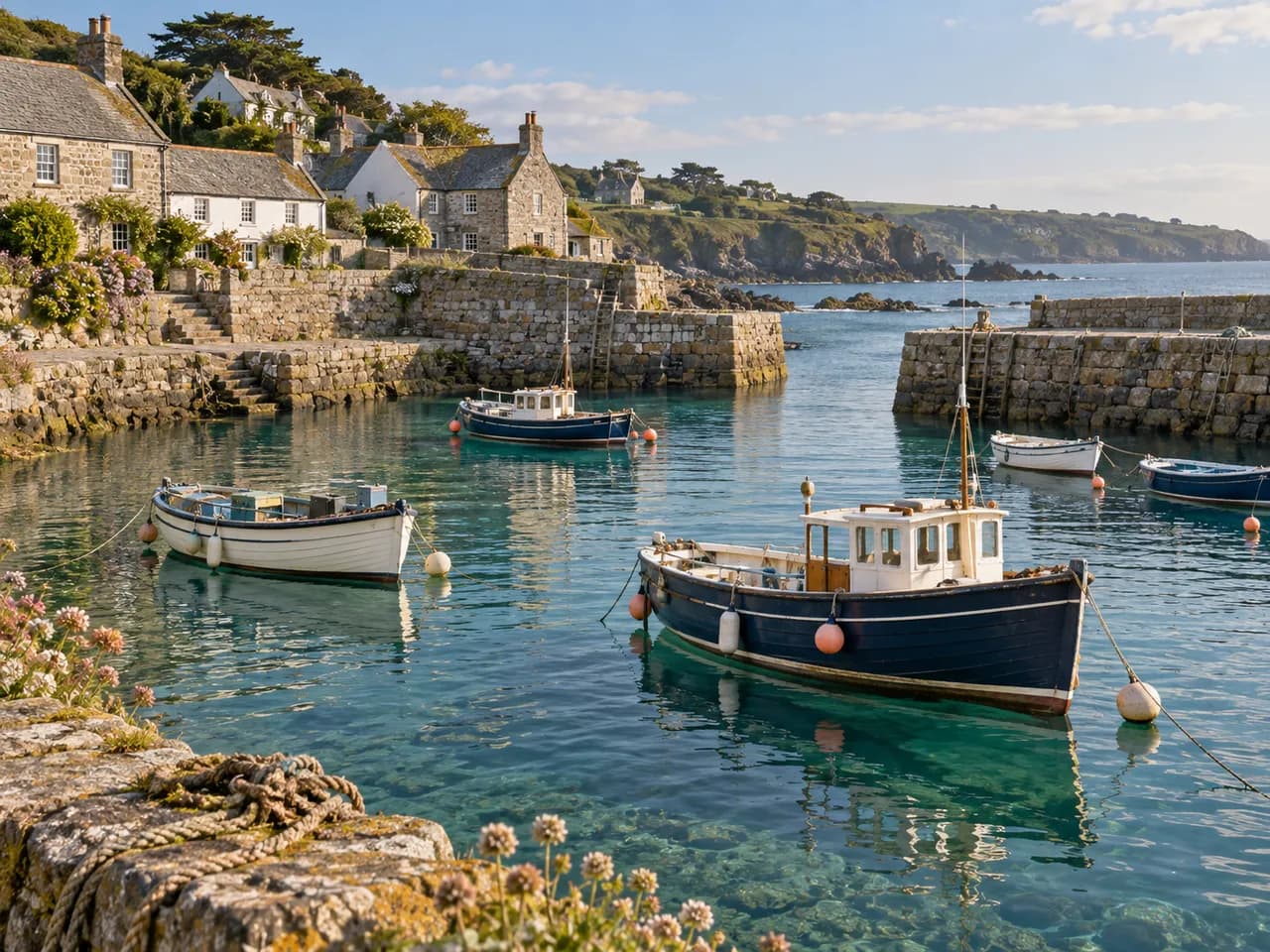
Gulls wheeling over a Cornish harbour are part of what makes the coast feel alive. Treat them with a bit of respect and some sensible caution, especially around chips and ice creams, and town and gull can get along just fine.
Common questions
- Why do seagulls swoop and steal food?
- They are clever, opportunistic birds that have learned people mean easy food. Dropped scraps and feeding teach them to associate us with a meal, so the best fix is to give them no reason to.
- How do you stop seagulls stealing your food?
- Eat under cover or with your back to a wall, keep food out of sight, never feed them, and always use bins with lids. A gull that cannot see your food is far less likely to try for it.
- Are seagulls protected in the UK?
- Yes. Gulls and their nests are protected by law, and herring gulls are a species of conservation concern, so they cannot simply be removed or harmed.