From the Cove shop
A few useful Down The Cove picks connected to this read.
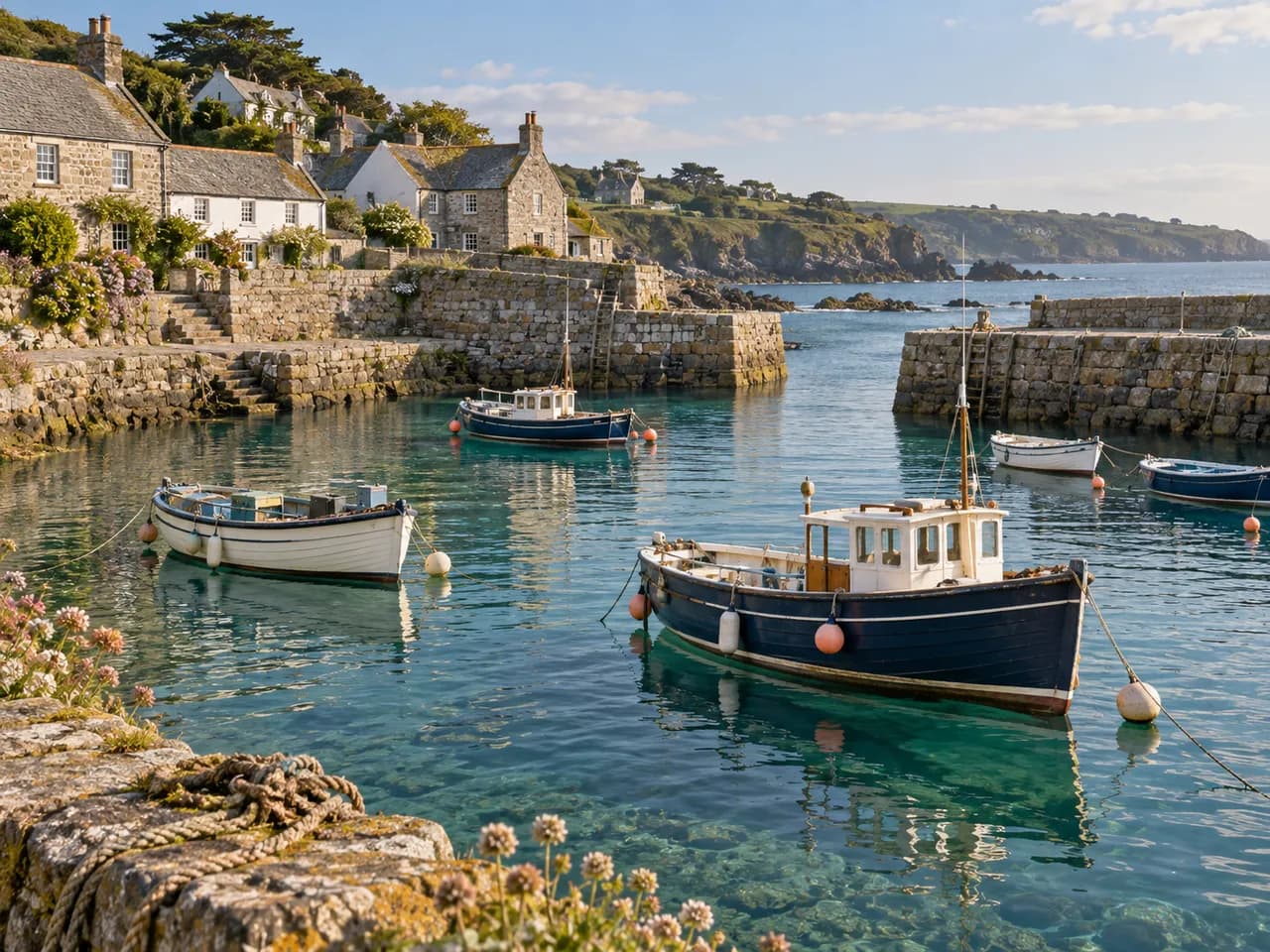
Polurrian Cove is a wild, sandy cove on The Lizard, tucked beneath towering cliffs a short walk down from the village of Mullion. Within an Area of Outstanding Natural Beauty, it reveals a broad expanse of golden sand and shingle at low tide and faces the open Atlantic, with no parking or facilities to keep it wonderfully quiet and natural.
Beach and cove guide
A simple guide to the feel of the place, how to arrive, and what to keep in mind before you go.
Polurrian Cove Beach is the kind of place where the day is shaped by simple things: tide, weather, a picnic, and time to notice the coast properly.
Families, beach days, coast paths, rock pools and relaxed exploring.
A few useful Down The Cove picks connected to this read.
Plan the final walk from the car park and check whether the beach is easy with pushchairs, tired legs or beach bags.
A useful read before visiting with children, especially for tides, paths, facilities and simple beach expectations.
Look up tide times, swimming guidance and weather before you go, especially on wilder beaches.
Read straight through, or use the planning notes above to shape an easier coastal day.
RNLI Lifeguards are on duty
2025
Weekends and Bank Holidays Only
19 July - 7 September
Patrol times 10am-6pm
Polurrian Cove lies on the western, Mount's Bay side of the Lizard, the most southerly peninsula in mainland Britain, a short walk down a path from the large village of Mullion. It faces roughly west into the Atlantic and is hemmed in by tall, rugged cliffs, so at high tide the sand all but disappears and only opens into a wide, golden beach as the water draws back. The whole stretch sits within an Area of Outstanding Natural Beauty and is protected as a Site of Special Scientific Interest.
Its character is unspoilt and slightly tucked-away. There is no commercial seafront crowding the shore; the beach is backed by cliffs and grassland, with the path down passing the grounds of the clifftop hotel that shares its name. That sense of being a little hidden, reached on foot and revealed by the tide, is much of why people return to it.
Polurrian is loved for swimming and sea dips on calmer days and for a fun, exposed surf when the Atlantic swell lines up, making it popular with bodyboarders too. Walkers join the South West Coast Path that runs along the headlands, north towards Mullion Cove and south towards Poldhu, near where Marconi sent the first transatlantic radio signal in 1901. As on all this coast, the surf and currents deserve respect, so it is worth checking conditions before swimming.

A few useful Down The Cove picks connected to this read.