
Useful for your next trip
Useful kit connected to this guide, chosen to keep the next step simple.
Full pilchard guide
How to spot it, where it lives, how it is caught and how to cook it — the complete guide, in one easy read.
No fish is more bound up with Cornwall than the pilchard. For three hundred years the shoals were the making of these villages: salted by the ton in stone cellars and shipped to Italy by the barrel, they paid the rent up and down the coast. The trade collapsed, the name fell out of fashion, and then somebody rebranded them Cornish sardines and the whole thing came roaring back. Same fish, rich and oily and savoury, just with its confidence restored.
How to spot it
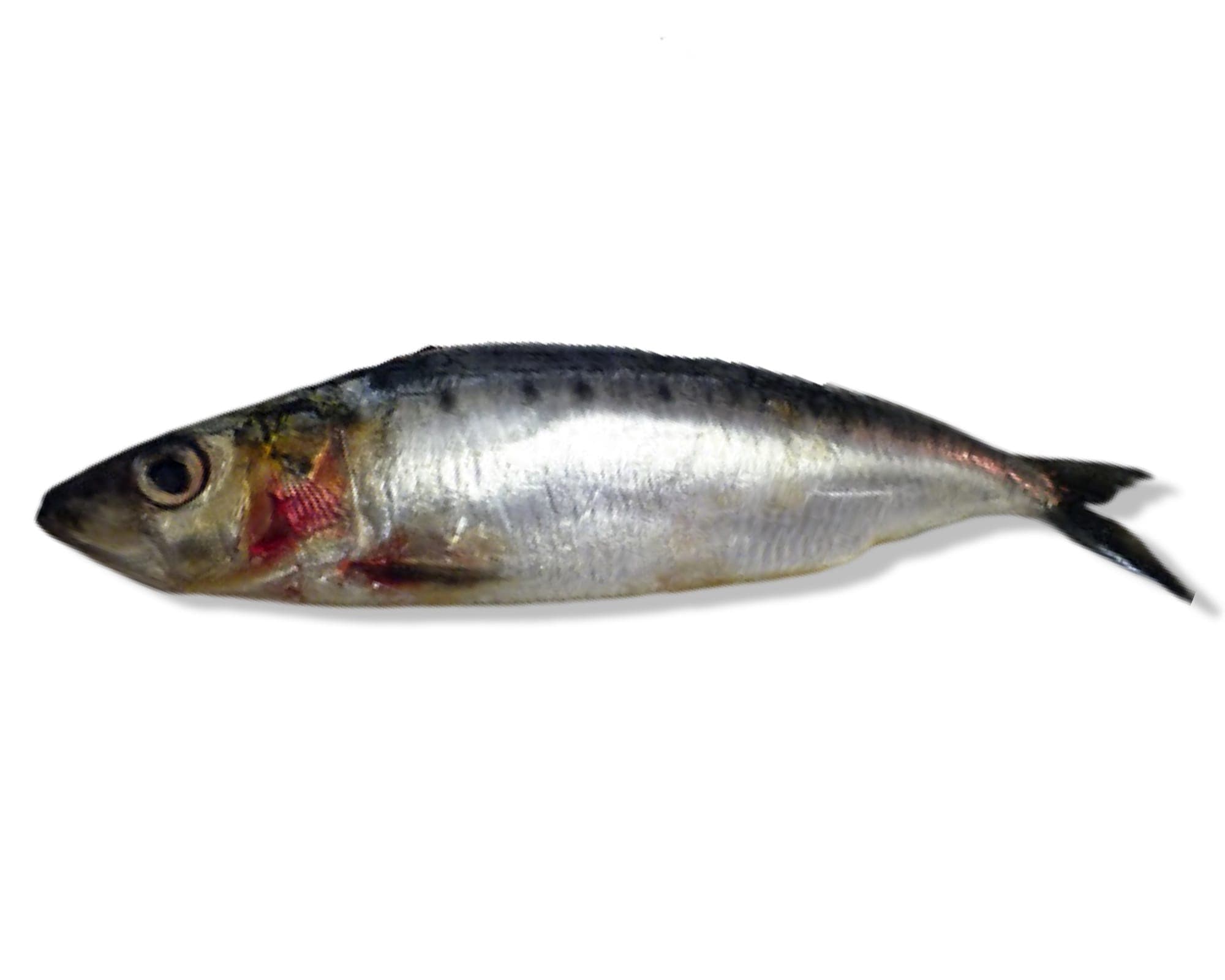
A pilchard is a small, neat oily fish with the streamlined herring build of the clupeid family. The flank is bright silver, almost like polished metal, under a darker blue-green back, and the tail finishes in a deep, decisive fork. It is shaped for speed and not much else. The catch is the name: pilchard and sardine are one and the same. The small, young fish go to market as sardines; the bigger, mature ones get called pilchards. A few centimetres of growth, a different word entirely.
Where it lives
Pilchards live in crowds, moving in huge shoals that gather along the Cornish coast through the warmer months. Summer is the time, when the sea warms and the shoals press in close to shore and stack up in numbers. Their day has a rhythm worth learning: after dark they rise to feed near the surface, then sink to deeper, safer water once the light comes up. That nightly lift and drop governs when they show inshore and when you stand a chance of finding them.
Catching it
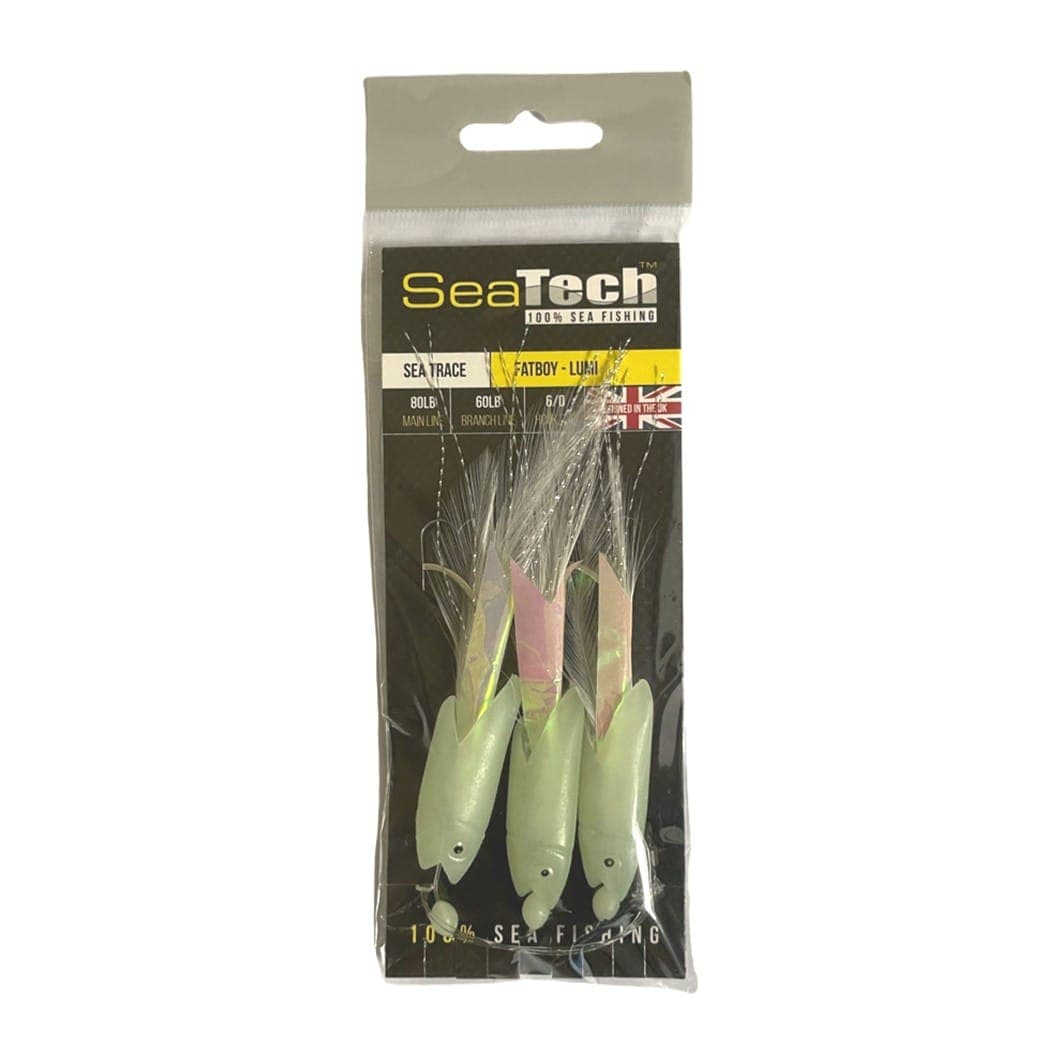
Pilchards come to small herring rigs, those strings of feathered or shiny hooks meant to look like a scatter of baitfish. Find a feeding shoal and work the rig through it with a slow, even retrieve so the hooks flicker like fleeing baitfish. Timing beats everything here: fish the surface as the light fades and the shoals lift, and your odds climb sharply. They travel in such numbers that it is easy to fill a bucket without meaning to, so only keep what you will eat and leave the rest to hold the shoal together.
In the kitchen
Forget anything gentle. Pilchards want fierce heat and smoke. Get a griddle or the barbecue properly hot, slash the flanks twice on each side, rub in coarse salt and lay them on until the skin chars and crackles, three or four minutes a side, no turning about. That char against the oily flesh is the whole point. For a Cornish sardines recipe that earns its keep, scatter over chopped chilli, garlic and parsley and finish with a hard squeeze of lemon to cut the richness. Or cure and hot-smoke them, which the old cellars effectively did with salt alone. Either way, go bold and do not be shy with the fire.
Related guides and gear
FAQs
Quick fish questions
Short answers for the questions families and coastal readers often ask first.
What is the difference between a pilchard and a sardine?
Biologically, none. They are the same species, Sardina pilchardus, and the name changes with size. Small fish are sold as sardines; the larger, mature ones are sold as pilchards. The Cornish sardine you see on menus is simply a young pilchard.
Are Cornish sardines and pilchards the same fish?
Yes. The Cornish sardine is the pilchard, Sardina pilchardus. The name is tied to Cornwall's fishing history, when pilchards were salted by the ton in the stone cellars of villages like Newlyn and Mousehole and shipped abroad.
Are sardines sustainable?
Cornish sardines are one of the better choices going. The local ring-net fishery carries Marine Stewardship Council certification, so Cornish sardines from a trusted fishmonger are an easy call to feel good about.
What is a good Cornish sardines recipe?
Hard to beat the grill. Slash the flanks, salt them well, and char over fierce heat three to four minutes a side. Scatter over chilli, garlic and parsley, then a hard squeeze of lemon to cut the oil. They also take a hard cure and hot smoke without losing a thing.
When are pilchards in season in the UK?
Summer. Warmer water pulls the shoals in close to the Cornish coast, so the fish are most plentiful and at their best through the warmer months, gathering inshore in real numbers.