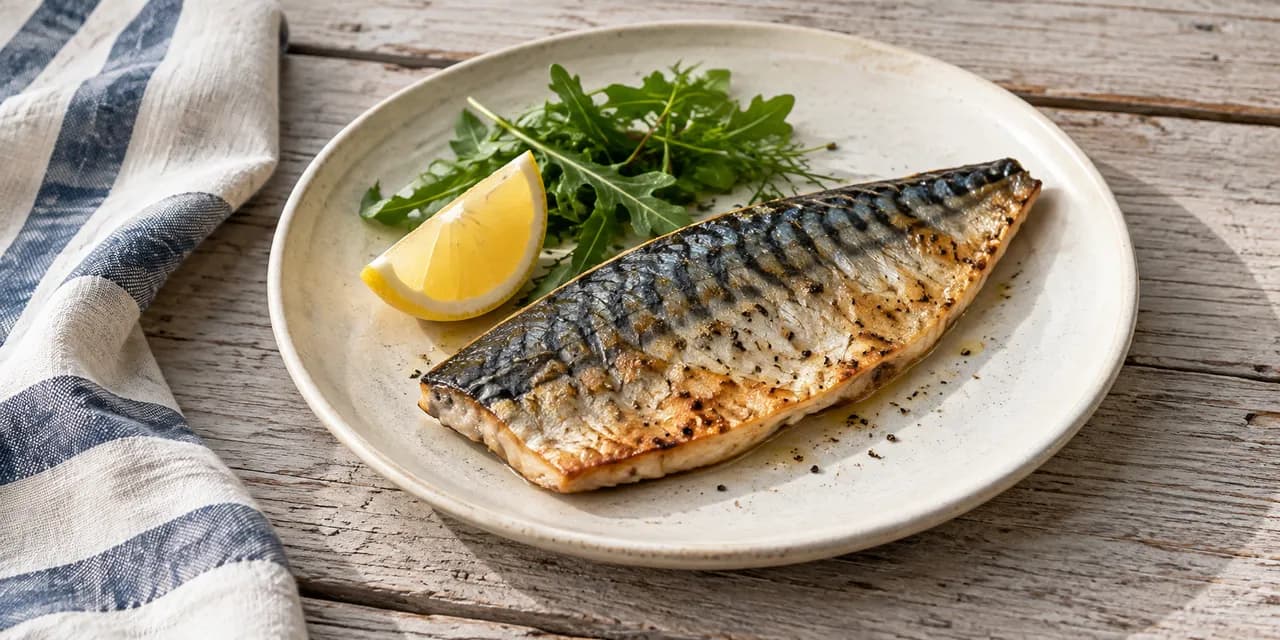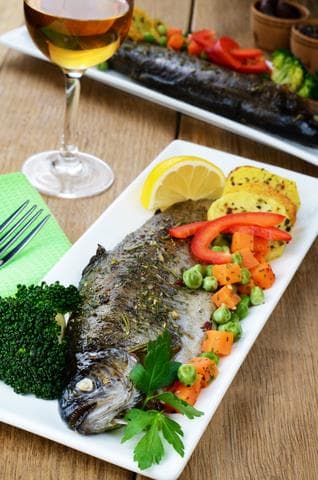
Welcome to our food and drink corner: everything we love about eating from the sea. Seafood is one of the most nourishing things you can put on a plate, and a real pleasure to cook. Here is why it does you so much good, and a few simple ways to make the most of it.
Why seafood is so good for you
Few foods give back as much as fish and shellfish. Seafood is an excellent source of protein, which your body needs to build and repair muscle and tissue. Oily fish such as mackerel, herring, sardines and salmon are especially rich in omega-3 fatty acids, prized for heart health, brain development, healthy joints and good skin. Fish also carries a useful share of the vitamins and minerals we need each day, from vitamin D and B12 to iodine and selenium. Just as importantly, seafood is naturally low in saturated fat, the harmful kind linked to heart disease, and the polyunsaturated fats in oily fish actually help your body break the bad fats down.
How often to eat it
Most health guidance suggests two portions of fish a week, with at least one of them an oily fish. It is an easy, light way to eat well without much effort in the kitchen, and a habit your heart will thank you for.
Cooking it well
Seafood rewards a gentle hand. Cook it just until the flesh turns from glassy to opaque and stop there, because a minute too long is what dries fish out. Steaming, grilling, baking and a quick pan-fry all keep it light; save the batter and the deep-fat fryer for a treat. If you fancy something different, our home smoking and seafood BBQ guides open up a whole new run of flavour, and our wine pairing guide will help you find the right glass to set beside it.
Common questions
- Is seafood good for you?
- Very. Fish and shellfish are an excellent source of lean protein, and oily fish in particular are rich in omega-3 fatty acids that support heart and brain health. Seafood is also low in saturated fat and supplies useful vitamin D, B12, iodine and selenium.
- Which fish are highest in omega-3?
- The oily fish: mackerel, herring, sardines (pilchards) and salmon top the list. They carry far more omega-3 than white fish such as cod or haddock, which is why most guidance suggests at least one portion of oily fish a week.
- How often should you eat fish?
- A good rule of thumb is two portions of seafood a week, including at least one of oily fish. It is a simple way to get your omega-3, protein and minerals without much fuss.
- What is the healthiest way to cook seafood?
- Keep it gentle: steam, grill, bake or pan-fry rather than deep-frying. Cook just until the flesh turns opaque and flakes easily, and lean on lemon, herbs and a little good oil rather than heavy batter or rich sauces.
- Is oily fish or white fish better for you?
- Both are healthy. White fish such as cod, haddock and pollock is very lean and high in protein; oily fish such as mackerel, sardines and salmon adds a big dose of omega-3. The ideal is to enjoy both across the week.